Mardi Himal Trek – 11 Days | Nepal Lion Tours
A Spectacular Himalayan Journey Through Forests, Mountain Ridges & Mardi Himal Base Camp
Mardi Himal Trekking(Long Trek)Luxury


Tour Highlights
The 11-day route pairs Kathmandu’s cultural landmarks with an uncrowded high-ridge trek, each day delivering a distinct landscape.
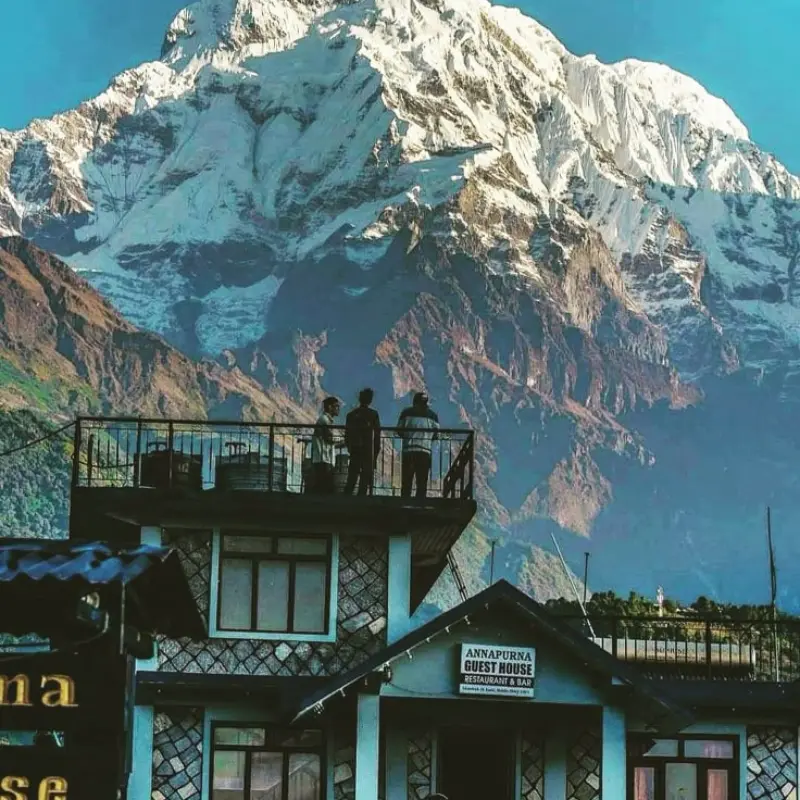
- Mardi Himal Viewpoint – 4,200 m / 13,780 ft: A pre-dawn climb from High Camp brings you to the exposed ridge lookout where Machhapuchhre, Annapurna South, Hiunchuli and Annapurna I form a 360-degree panorama at sunrise.
- Mardi Himal Base Camp – 4,500 m / 14,764 ft: The optional same-morning excursion above the viewpoint climbs rocky, steeper terrain to the highest point of the trek, with Machhapuchhre towering directly above.
- Mardi Himal High Camp – 3,580 m / 11,745 ft: The highest overnight stop, sitting on an open alpine slope with close-up views of the Fishtail peak and the Annapurna skyline from the lodge windows.
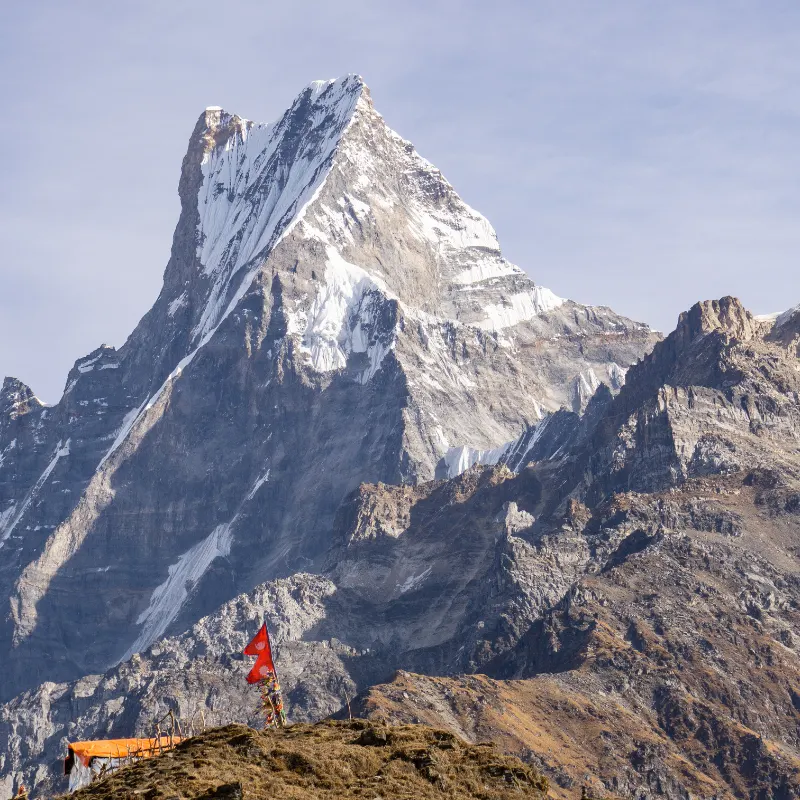
- Machhapuchhre (Fishtail, 6,993 m): The route runs along this sacred mountain’s southern flank for two full days of walking, giving prolonged, close views of Nepal’s most recognisable unclimbed peak.
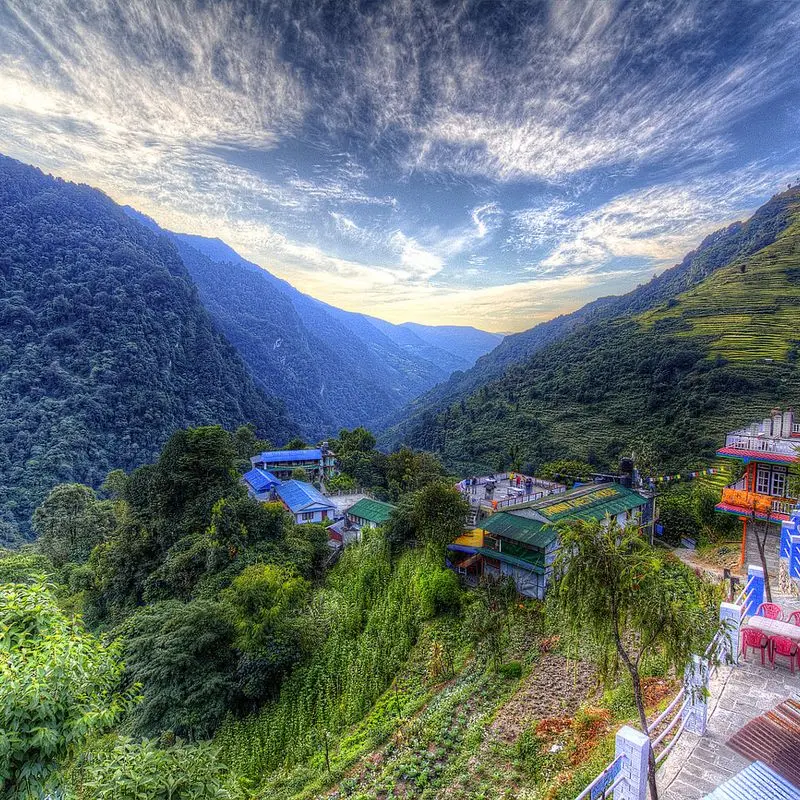
- Rhododendron and oak forests: From Pothana to Low Camp the trail threads dense forest which blooms in spring; a bird-rich, mossy corridor with occasional mountain glimpses.
- Kathmandu Valley sightseeing: A guided day covers Swayambhunath (Monkey Temple), Pashupatinath, Boudhanath and Patan Durbar Square, all UNESCO-listed heritage sites.
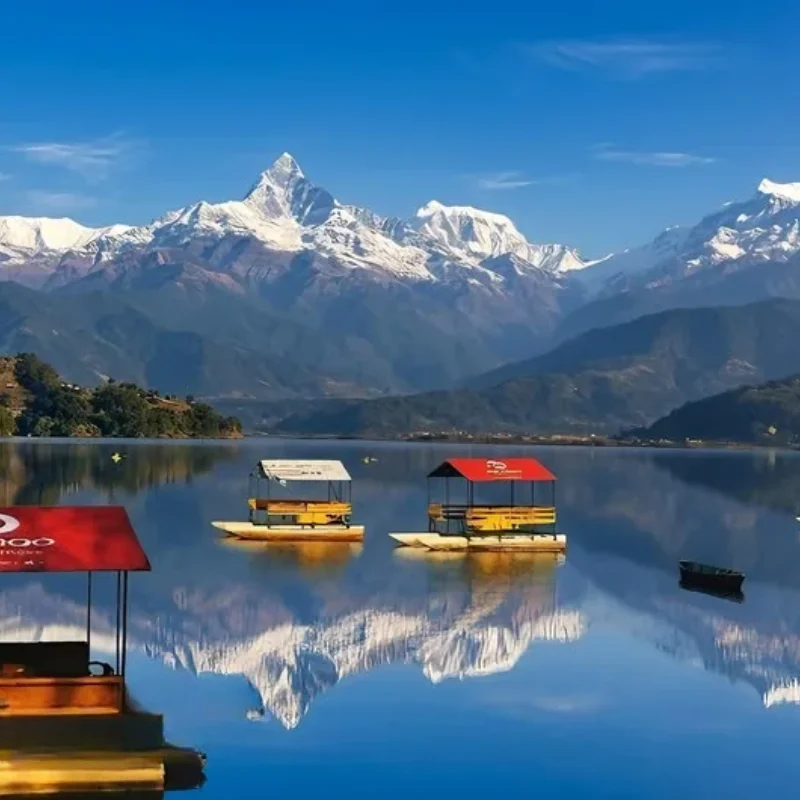
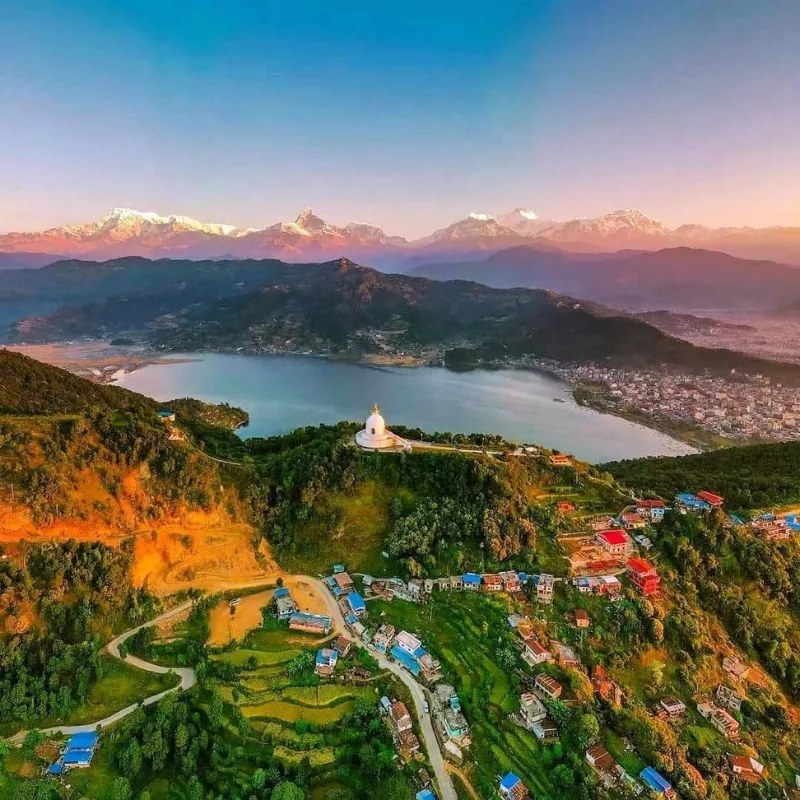
- Phewa Lake and Pokhara: Two hotel nights in the lakeside resort town — one before and one after the trek — where you can walk the lake edge and enjoy the mountain backdrop.
- Siding Village descent – 1,750 m / 5,741 ft: The quieter return trail drops through forest and Magar settlements to a roadhead, a relaxed final walking day.
- A short and accessible ridge trek: Four walking days up, one big day to the viewpoint and three days back, with a private transfer that keeps logistics simple and the itinerary comfortable for 10–14 day travellers.
Mardi Himal Trek Overview
The Mardi Himal Trek is an 11-day trek in Nepal’s Annapurna region that climbs from Pokhara’s foothill trailhead through rhododendron and oak forest to the Mardi Himal Viewpoint at 4,200 m (13,780 ft) and the optional Mardi Himal Base Camp at 4,500 m (14,764 ft) above Machhapuchhre’s southern flank. Graded moderate, the route pairs the region’s quietest forest trails with one of the closest, least crowded views of Machhapuchhre (Fishtail, 6,993 m), and suits reasonably fit trekkers who want a genuine high-altitude ridge without Everest-region distances.
Starting and ending in Kathmandu, the trek includes a guided Kathmandu Valley sightseeing day at Swayambhunath, Pashupatinath, Boudhanath and Patan Durbar Square, a scenic road journey to Pokhara, a walk through Pothana, Forest Camp, Low Camp and Mardi Himal High Camp, the sunrise viewpoint and Base Camp excursion, and a descent through Siding Village before flying back to Kathmandu. The long route gives you more high-ridge time than a short Mardi itinerary, plus a full day beside Pokhara’s Phewa Lake.
With Nepal Lion Tours, the Mardi Himal long trek luxury package starts from USD 1,710 per person and includes your licensed English-speaking guide, hotel stays and teahouse lodges, meals during the trek, the Kathmandu sightseeing day, all required permits, the return flight from Pokhara, airport transfers, and a welcome or farewell dinner in Kathmandu at a cultural restaurant.
Guide’s Note — Nepal Lion Tours
Mardi Himal is the trek we recommend when guests tell us they want the drama of a high Himalayan viewpoint — often a sunrise scene as striking as Poon Hill — but prefer a quieter trail to themselves. From our experience operating Mardi Himal departures, the route’s signature moment is the pre-dawn climb from High Camp to the Viewpoint: in good weather you are looking straight across at Machhapuchhre’s unbroken southern face with the whole Annapurna skyline behind you, and because the route is less crowded than the Poon Hill circuit, you usually get that panorama in near silence.
— Nepal Lion Tours Lead Trekking Guide
What Makes the Mardi Himal Trek Special?
The defining experience is the Mardi Himal Viewpoint sunrise. Rising before dawn from High Camp at 3,580 m (11,745 ft), you climb the exposed ridge to 4,200 m (13,780 ft), where Machhapuchhre dominates the sky to the north while Annapurna South, Hiunchuli and Annapurna I stack up along the range. The viewpoint sits above the tree line on a narrow grassy ridge, with the valley dropping steeply away on both sides.
For fit trekkers, the trek then continues on the optional Mardi Himal Base Camp excursion the same morning — a steeper, rockier push to 4,500 m (14,764 ft), from which the fishtail profile of Machhapuchhre rises almost vertically. The route character is gentler than Everest or Manaslu treks, yet the altitude and ridge exposure give it the feel of a proper Himalayan journey rather than a foothill walk.
Why Choose the Mardi Himal Trek?
Practical reasons make this route popular. The trailhead at Phedi is roughly an hour’s drive from Pokhara, so the trek starts without a long jeep day. The teahouse network covers every overnight stop as far as High Camp, meaning no camping logistics. The maximum altitude of 4,500 m is high enough for spectacular panoramas but reached in just four walking days of ascent, keeping the itinerary compact. And the long trek framing adds a Kathmandu sightseeing day, extra time on the ridge and a free evening in Pokhara, making it a complete Nepal trip in eleven days.
Who Is This 11-Day Mardi Himal Trek Suitable For?
- First-timers with good fitness wanting an achievable high-altitude trek below 5,000 m
- Hikers who prefer quiet trails over the busier Poon Hill or Annapurna Base Camp circuits
- Photographers and mountain-view hunters chasing Machhapuchhre and Annapurna panoramas
- Couples and honeymooners looking for a scenic ridge trek with comfortable hotel nights
- Families with older teenagers who walk regularly and handle uphill trails
- Travellers combining sightseeing and trekking — the itinerary covers Kathmandu Valley first
- Return visitors to Nepal wanting a different, quieter Annapurna-region view
- Anyone on a 10–14 day Nepal itinerary wanting trekking plus culture
No previous trekking experience is required, and the daily walking of roughly 3–6 hours suits a steady amateur pace. The one real requirement is comfortable fitness and some hill-walking, because Days 7 and 8 climb above 3,500 m where each metre is noticeably harder.
Quick Facts
| Trek Fact | Details |
|---|---|
| Trek Name | Mardi Himal Trekking (Long Trek) Luxury |
| Duration | 11 days / 10 nights |
| Region | Annapurna, Gandaki, Nepal |
| Maximum Altitude | 4,500 m / 14,764 ft at Mardi Himal Base Camp |
| Difficulty | Moderate |
| Main Highlight | Mardi Himal Viewpoint sunrise above Machhapuchhre |
| Start / End | Kathmandu to Kathmandu |
| Route | Kathmandu – Pokhara – Phedi – Pothana – Forest Camp – Low Camp – Mardi Himal High Camp – Viewpoint & Base Camp – Siding – Pokhara – Kathmandu |
| Typical Walking | 3–6 hours per day |
| Best Season | Spring and Autumn |
| Price From | USD 1,710 per person |
| Accommodation | Hotels in Kathmandu and Pokhara, teahouse lodges on the trail |
| Guide | Licensed English-speaking trekking guide |
Mardi Himal Trek Route and Elevation
The route begins with culture and a road journey, then follows a classic forest-to-alpine progression up Mardi Himal’s grass-and-ridge spine, returning by a different, quieter descent trail. Starting from Kathmandu, you sightsee the valley, drive to Pokhara, travel about an hour to the Phedi trailhead, climb through Pothana, Forest Camp and Low Camp to Mardi Himal High Camp, reach the Viewpoint and optional Base Camp, then descend via Siding Village, drive back to Pokhara and fly to Kathmandu.
Mardi Himal Trek Route at a Glance
Day | Trek Route | Altitude | Highlights |
|---|---|---|---|
Day 01 | Arrival in Kathmandu | 1,400 m / 4,593 ft | Airport pickup, Thamel check-in, briefing, welcome dinner |
Day 02 | Guided Kathmandu Valley sightseeing | 1,400 m / 4,593 ft | Swayambhunath, Pashupatinath, Boudhanath, Patan Durbar Square |
Day 03 | Drive Kathmandu to Pokhara | 820 m / 2,690 ft | Trishuli River Valley, Phewa Lake, Lakeside |
Day 04 | Drive to Phedi, trek to Pothana | 1,130 m / 3,707 ft | Stone steps, terraced farms, start of forest trail |
Day 05 | Pothana to Forest Camp | 2,600 m / 8,530 ft | 10 km rhododendron and oak forest |
Day 06 | Forest Camp to Low Camp | 3,150 m / 10,335 ft | Steady ascent, first big mountain views |
Day 07 | Low Camp to Mardi Himal High Camp | 3,580 m / 11,745 ft | Alpine zone, ridge walking, Machhapuchhre views |
Day 08 | Viewpoint and Base Camp, return to High Camp | 4,500 m / 14,764 ft (max) | Sunrise viewpoint, 360-degree panorama, optional Base Camp |
Day 09 | Mardi High Camp to Siding, drive to Pokhara | 1,750 m / 5,741 ft | Forest descent, private transfer, Phewa Lake |
Day 10 | Flight Pokhara to Kathmandu | 1,400 m / 4,593 ft | Aerial Annapurna views, farewell dinner |
Day 11 | Final departure from Kathmandu | 1,400 m / 4,593 ft | Airport transfer, depart Nepal |
Mardi Himal Trek Elevation Profile
The profile is a clean staircase: Kathmandu at 1,400 m (4,593 ft) and Pokhara at 820 m (2,690 ft) sit low, the trail rises gently to Pothana (1,130 m) and Forest Camp (2,600 m), then climbs steadily through Low Camp (3,150 m) to High Camp (3,580 m) before the steep pre-dawn push to the Viewpoint (4,200 m) and the optional Base Camp (4,500 m). The way back down drops hard to Siding (1,750 m) before the drive to Pokhara.
What that shape means physically: the first two walking days are uphill but gentle, ideal for warming up; Days 6 and 7 carry the sustained ascent above the forest into thinner air; and Day 8 is the single big climb of the trip, done in darkness and cold. After that the descent to Siding is long but on a well-formed trail, so tired knees should bring walking poles. Nepal Lion Tours provides a trekking map and elevation profile ahead of departure so you can plan your pace before you arrive.
How to Get to the Mardi Himal Trek
The trek starts from Pokhara, reached from Kathmandu by road or a short domestic flight, then uses the Phedi trailhead about an hour’s drive away. Unlike Everest routes there is no high-mountain flight dependence — the longest transfer is a scenic bus drive through the middle hills.
Kathmandu to Pokhara: Flight or Road?
| Option | Approx. Travel Time | Best For |
|---|---|---|
| Domestic flight | 25–30 minutes | Travellers short on time, dramatic aerial views |
| Tourist bus | 6–7 hours* | Budget-conscious travellers, scenic middle hills |
| Private vehicle | Around 5–7+ hours* | Flexible or private travel |
*Road times are approximate and affected by traffic, weather and road construction.
The tourist bus option is the standard on this package and follows the Prithvi Highway beside the Trishuli River, with lunch stops and frequent mountain glimpses on clear days. A domestic flight saves most of a day if you prefer, flying directly over the foothills in about half an hour, but buses are generally reliable and weather-independent. Most trekkers take the bus out and the 25-minute flight back on Day 10 — the itinerary’s included return flight gives both experiences. Road vs flight is largely a schedule and budget choice rather than a safety one.
Pokhara to the Phedi Trailhead
From Pokhara the trailhead at Phedi is reached by a private vehicle in roughly one hour, climbing out of the lakeside town into the foothills. The road is winding but sealed, passing terraced farmland and village clusters before the walking path begins. A private transfer on this package means you leave when ready, no shared jeep waits, and your guide confirms the roadhead and weather before you set off.
Guide’s Note — Nepal Lion Tours
From our experience operating Mardi Himal departures, the Day 4 transfer and walk are the day new trekkers most misjudge. The Pokhara–Phedi drive is short, but the first hours of walking up the stone steps are deceptively warm and humid in summer and early autumn, so trekkers who arrive without water and a snack tend to feel it by Pothana. We recommend starting the day with a good breakfast, carrying at least two litres, and setting an easy pace on the steps — the forest shade and the first Machhapuchhre glimpses arrive soon enough.
— Nepal Lion Tours Lead Trekking Guide
Returning to Pokhara After the Trek
The return leg uses the quieter Siding Village descent. After walking down through forest from High Camp for roughly 4–5 hours, you reach Siding at 1,750 m (5,741 ft), where a private vehicle collects you for the winding drive back to Pokhara — about two hours on mountain roads. Day 10 then covers the short flight from Pokhara to Kathmandu, a roughly 25-minute hop with aerial views of the Annapurna range and Machhapuchhre on clear days.
A Practical Tip for International Travellers
Do not book an onward international flight for the same evening you return to Kathmandu. The Day 10 flight can be delayed by morning weather, so leave at least a full day between landing in Kathmandu and your departure flight. The route is genuinely simple to reach — one drive, one trailhead, one short flight — but the airport buffer keeps Day 11 stress-free.
Mardi Himal Trek Difficulty, Fitness & Altitude
The Mardi Himal Trek is graded moderate, and that is the honest grade: the trek is not technically difficult, but it is a steady five-day ascent finishing above 4,500 m (14,764 ft) at Base Camp, so good walking fitness and sensible pacing matter more than experience. There is no scrambling, glacier travel or rope work — the demands are endurance, uphill stamina and the effects of altitude.
Where the Effort Actually Is?
The effort concentrates in three places. The Day 4 stone steps from Phedi up through the foothills are the warm, humid warm-up that surprises trekkers in summer and early autumn. The Day 7 climb from Low Camp to High Camp at 3,580 m is the long sustained ascent above the tree line, where thinner air makes a steady pace essential. And the Day 8 pre-dawn climb from High Camp to the Viewpoint at 4,200 m — short in distance but steep, cold and dark — plus the optional further push to Base Camp at 4,500 m are the physically hardest hours of the trek.
Between those, the route offers forgiving forest walking, a gentle first day to Pothana, and a long downhill return to Siding that is easier on the lungs but demands care on the knees. On average the trek involves 3–6 hours of walking a day across compact trails, river edges and stone paths.
Guide’s Note — Nepal Lion Tours
From our experience guiding Mardi Himal departures, the trek’s hardest hour is usually not the longest one — it is the Day 8 pre-dawn climb from High Camp to the Viewpoint. It is short in distance, but the combination of cold, darkness and slope makes each step feel heavier than it should. We recommend leaving with a hot drink, a headlamp already on your head rather than in your pocket, and everything you want for the sunrise packed the night before, so the climb becomes anticipation rather than struggle.
— Nepal Lion Tours Lead Trekking Guide
How to Prepare for the Mardi Himal Trek
- Walk regularly before the trek: Aim for 3–4 sessions weekly and progressively longer outings; being comfortable on your feet for 4–6 hours matters more than speed.
- Practise hills and stairs: Include uphill and downhill walking, stairs or an inclined treadmill — the Day 4 steps and Day 7 ascent are essentially training-ground terrain.
- Build leg strength: Squats, lunges, step-ups and calf raises prepare the quads and glutes for both the climb and the long Siding descent.
- Take a few longer walks: Complete several 2–3 hour walks before departure so your body, boots and pack settle into a rhythm.
- Prepare for the early start: Day 8 begins before dawn, so practise getting moving early; a week of adjusted sleep helps.
- Train for the altitude mindset: You cannot train acclimatisation, but you can learn to walk slowly and rest often — the single biggest safety habit above 3,500 m.
How Difficult Is the Mardi Himal Trek Compared with Longer Treks?
Compared with the Annapurna Base Camp (10–12 days) or Annapurna Circuit (14–18 days) treks, the Mardi Himal long trek is distinctly shorter and stops well below the highest passes. It never reaches 5,000 m, so the altitude exposure is milder, and the daily distances are modest. It is harder than the Poon Hill treks, which stay around 3,200 m, because Mardi pushes beyond 4,000 m — but a fit walker who has handled a Poon Hill itinerary should find this the natural next step up.
Altitude, Acclimatization & Safety
The maximum altitude of 4,500 m (14,764 ft) puts this trek clearly in the high-altitude range, and the ascent from 1,130 m to that height happens over roughly four walking days. The gradual forest-to-alpine progression — plus a full rest-and-acclimatisation afternoon at Low Camp on Day 6 — is the package’s built-in safety design. Your guide decides the pace, holds the first-aid kit, and below 5,000 m most fit trekkers adjust well when they hydrate, eat and sleep properly.
Mardi Himal Trek Altitude Profile
- Kathmandu — 1,400 m / 4,593 ft: Arrival city and sightseeing base, overnight before the drive.
- Pokhara — 820 m / 2,690 ft: Lakeside city, lowest point of the trip, overnight before and after the trek.
- Pothana — 1,130 m / 3,707 ft: First night on the trail, foothill village and forest gateway.
- Forest Camp — 2,600 m / 8,530 ft: Forested overnight, start of the serious ascent.
- Low Camp — 3,150 m / 10,335 ft: Rest-and-acclimatisation stop with first open mountain views.
- Mardi Himal High Camp — 3,580 m / 11,745 ft: Highest overnight, open alpine ridge, two nights.
- Mardi Himal Viewpoint — 4,200 m / 13,780 ft: Sunrise destination, exposed ridge panorama.
- Mardi Himal Base Camp — 4,500 m / 14,764 ft: Optional highest point, rocky terrain below Machhapuchhre.
- Siding — 1,750 m / 5,741 ft: Descent roadhead on the quiet return trail.
How the Body Adapts to Altitude
Above roughly 2,500 m the body responds to thinner air by breathing faster and producing more red blood cells, but adaptation takes days, not hours. The combination of a gradual route, a rest afternoon at Low Camp and comfortable pacing gives your body time to adjust. Practical habits do the rest: drink plenty of water, eat at every meal even if appetite drops, breathe steadily, walk slowly enough to hold a conversation, and rest when tired.
Symptoms of Altitude Sickness to Watch For
Mild and common symptoms, usually settling with rest and hydration:
- Headache
- Loss of appetite
- Mild nausea
- Difficulty sleeping
- Fatigue or breathlessness on effort
More concerning symptoms that should be reported to your guide immediately:
- Severe headache not relieved by rest
- Vomiting or persistent nausea
- Clumsiness or unsteady walking
- Confusion, drowsiness or disorientation
- Persistent coughing or breathlessness at rest
The rule is simple: stop ascending, tell your guide, rest and hydrate, and if symptoms persist or worsen, descend. Below 4,500 m most mild symptoms resolve quickly with that response.
How Nepal Lion Tours Supports Altitude Safety
- Gradual route progression with an acclimatisation afternoon at Low Camp before the 3,580 m ascent
- Experienced licensed guides who monitor every trekker’s pace and condition daily
- Early communication culture — you are encouraged to report any symptom, however minor
- No sleep above 3,580 m — the viewpoint and Base Camp are day excursions from High Camp
- Health and safety back-up — your travel insurance should cover trekking and emergency evacuation; ratios are checked before departure
Best Time to Trek Mardi Himal
The trek is operated across spring and autumn, the two seasons the fact box lists, and those are genuinely the best months — spring for rhododendron colour and clearer mornings, autumn for the steadiest mountain weather. The route is walkable in winter and the monsoon, but each season changes the trail and the views in ways worth knowing before you book.
Season | Months | Weather & Trail Conditions | Mountain Views | Overall |
|---|---|---|---|---|
Autumn | Sep–Nov | Clear, dry days; cool nights; trail firm and dust-free | Excellent on clear days | Best overall |
Spring | Mar–May | Warm days, rhododendron bloom; occasional afternoon clouds | Very good, morning views | Highly recommended |
Winter | Dec–Feb | Cold, crisp days; snow and ice possible above 3,000 m | Good on clear days | Good with preparation |
Monsoon | Jun–Aug | Wet, slippery trails; leeches in lower forest; high cloud | Frequently limited by cloud | Less suitable |
Autumn — September to November
Autumn is the classic season. After the monsoon clears, the skies firm up, the air becomes sharp and the panorama from the Viewpoint — Machhapuchhre, Annapurna South, Hiunchuli and the rest of the skyline — is at its most reliable. Days are warm in the forest and cool at High Camp, conditions are comfortable for the early starts, and the trails are at their driest. October and November are the busiest months on Nepal’s main treks, yet Mardi Himal remains noticeably quieter than Poon Hill or Annapurna Base Camp.
Spring — March to May
Spring brings the rhododendrons. From mid-March the forest between Pothana and Low Camp fills with red, pink and white blooms, and the lower trail is at its most colourful. Weather is warmer and the days longer, though afternoon clouds are more common than in autumn; the answer is the same pre-dawn start, which usually tops out in clear morning light. April and early May are the peak spring weeks.
Winter — December to February
Winter walking is possible and the trail is almost empty. Days are often clear and bright but cold, with frost at Forest Camp and snow or ice possible above 3,000 m — the climb from Low Camp to High Camp and the Viewpoint can require microspikes and extra layers. High Camp lodges operate but some lower teahouses may close, so confirming availability matters. It suits trekkers comfortable with cold and happy with guaranteed quiet.
Monsoon — June to August
The monsoon makes the trek significantly less attractive. Trails turn slippery, the lower forest is humid and leech-prone, clouds frequently sit over the ridge for days, and the Viewpoint sunrise may never appear. Some lodges close for the season. If your dates fall in these months, spring or autumn the following year will deliver a far better experience.
Which Season Should You Choose?
If the Viewpoint panorama is your priority, book autumn — the steadiest, clearest season. If you want the forest in bloom, book spring. Winter works for experienced cold-weather trekkers seeking solitude, while the monsoon is best avoided. One final point: Nepal’s weather changes quickly at altitude, so check the mountain forecast before departure regardless of season — conditions at High Camp can differ sharply from Pokhara.
Guide’s Note — Nepal Lion Tours
On clear autumn and spring mornings the view from Mardi Himal Viewpoint typically opens up in stages: first the far snows catch the sun, then Machhapuchhre’s face ignites, and finally the whole Annapurna skyline sharpens as the light floods the valley. From our experience, the single biggest cause of a missed sunrise is leaving too late — the cold in the dark makes stopping to shoot feel hard, so we recommend starting with your camera ready and a hot drink in hand.
— Nepal Lion Tours Lead Trekking Guide
Mardi Himal Trek Permits & Regulations
The Mardi Himal route lies inside the Annapurna Conservation Area (ACAP), a designated protected area, so the same two permits used across the Annapurna region apply. Nepal Lion Tours arranges both as part of pre-trek preparation, so you do not need to queue at permit offices; you simply carry your original passport for identification.
Mardi Himal Trek Permits at a Glance
Requirement | Who Needs It? | Who Arranges It? |
|---|---|---|
Annapurna Conservation Area Permit (ACAP) | Foreign and SAARC trekkers entering the ACAP | Nepal Lion Tours |
TIMS Card (Trekkers’ Information Management System) | Trekkers on applicable Annapurna routes | Nepal Lion Tours |
Annapurna Conservation Area Permit (ACAP)
The ACAP is the primary permit for trekking anywhere in the Annapurna Conservation Area, including the Mardi Himal trail. It is issued against your passport details, and the published fee is roughly NPR 3,000 for foreign nationals (about USD 22) and NPR 1,000 for SAARC nationals (about USD 7) — always confirm the current figure at booking, as fees are revised by the authorities. Your guide carries the card on the trail and presents it at checkpoints.
TIMS Card (Trekkers’ Information Management System)
The TIMS card records your trekking plan — route, dates, emergency contact — in the national trekkers’ database, so rescue and service providers know where you are, and it confirms you are trekking with a licensed agency. The fee varies by nationality and current regulations, so again, confirm at booking. Nepal Lion Tours processes the registration as part of your paperwork and keeps the card with your details.
Do You Need a Restricted-Area Permit?
No — the standard Mardi Himal route is not a restricted area, so no special restricted permits or group/guide quotas apply. The route stays within the conserved but open Annapurna foothills, from Phedi through Pothana, Forest Camp, Low Camp, High Camp, the Viewpoint and Base Camp, and down to Siding. Rules can change and modified itineraries may differ, so your guide confirms the documentation needed at the time of booking.
Who Arranges the Permits?
Nepal Lion Tours arranges the ACAP and TIMS documentation as part of your pre-trek preparation, included in the package. Trekkers carry their original passport for permit checks and identification. Government fees and regulations can be revised without notice, so the current costs are confirmed when you book and any change is passed on transparently.
Food & Accommodation on the Mardi Himal Trek
Outside Kathmandu and Pokhara — where the package uses hotels — mountain nights follow the classic teahouse model: simple locally run lodges with twin rooms, a communal dining room and a set menu. Meals are warm, generous and cooked fresh, and your guide helps you order and manages the daily schedule around mealtimes.
Teahouse Accommodation on the Mardi Himal Trek
| Comfort | What to Expect |
|---|---|
| Rooms | Twin-sharing (or triple in a group), basic beds with mattresses and pillows |
| Bathrooms | Shared bathrooms with squat or western toilets; some lodges add private rooms |
| Hot showers | Usually available at larger lodges for a small fee (bucket or solar) |
| Electricity | Charging available at lodges with solar or mains power, sometimes for a fee |
| Dining room | Heated communal dining area — the social heart of every lodge |
| Wi-Fi | Available at some lower lodges for a fee; limited or absent above Low Camp |
| Bedding | Mats and blankets supplied; your Nepal Lion Tours sleeping bag adds warmth |
The lower lodges (Pothana, Forest Camp, Low Camp) are basic but comfortable, with the full teahouse menu. Above Low Camp, facilities thin out slightly and choices narrow, which is normal — dining rooms stay warm, but showers get simpler and power becomes solar-dependent. Every stop is locally operated, so your spending supports families running the lodges directly.
What Food Is Available on the Mardi Himal Trek?
The trek menu is the standard teahouse spread — filling, hot and served three times a day. Expect dal bhat (rice, lentil curry and vegetables — the trekking staple), momos (dumplings), noodles and fried rice, pasta and spaghetti, soups (garlic and mushroom are local favourites), potatoes and fried potato dishes, eggs any style, and breakfast items such as porridge, pancakes, toast and muesli. Vegetarian options are widely available and easy to order, and dal bhat’s carbohydrate-and-protein balance makes it the best energy base of the day. If you have vegan, gluten-free or allergy needs, let Nepal Lion Tours know before departure so lodges can prepare.
What Food and Accommodation Are Included?
| Included in the Trek Package | Usually Paid Separately |
|---|---|
| Hotels in Kathmandu and Pokhara (incl. two Pokhara nights) | Extra hotel nights in Kathmandu |
| Teahouse lodges during the trek (twin-sharing) | Private room upgrades at lodges |
| Meals during the trek: breakfast, lunch and dinner | Hot showers where lodges charge |
| A cup of coffee or tea with meals | Drinks, snacks and bottled water beyond meals |
| Welcome or farewell dinner in Kathmandu | Tips for guides and porters |
The precise list is confirmed at booking, and the Kathmandu hotel-and-meals position is laid out clearly by Nepal Lion Tours so there are no surprises. On the trail itself, your three daily meals plus tea or coffee are handled.
Drinking Water on the Trek
Do not assume mountain tap water is safe to drink. Lodges sell boiled and filtered water, and many offer refill stations, so a reusable bottle reduces plastic use and cost. Many trekkers also carry purification tablets or a small filter as back-up. Drink regularly through the day — altitude and walking both increase your water needs — and keep hydration steady from the moment you leave Pokhara.
Staying Comfortable at Teahouses
- Carry a refillable water bottle for filtered and boiled water
- Bring your sleeping bag (provided by Nepal Lion Tours) for warmth and hygiene
- Keep a power bank charged for the lodge camping-zone evenings
- Take small cash in Nepali rupees for drinks, showers and snacks
- Layer clothing so you can add or shed warmth as the evening cools
- Tell Nepal Lion Tours about dietary needs in advance so lodges are ready
Why Book with Nepal Lion Tours?
Nepal Lion Tours is a Kathmandu-based registered trekking company that operates Mardi Himal departures year-round, built around licensed local guides, private logistics and straightforward pricing. From the first WhatsApp message to the final airport drop, a single local team handles your trip.
1. Local, licensed English-speaking guides — Government-licensed guides who know the Mardi trail, its lodges and its summit mornings from repeated departures, and who speak English, Chinese, Korean or Hindi as well as Nepali. Your guide is with you from the Kathmandu briefing to the Siding roadhead, checking pace, health and weather daily.
2. A registered trekking company you can verify — Based in Kathmandu, with company and licence details you can review on request, and a track record on the Annapurna trails from Poon Hill to Annapurna Base Camp.
3. Private departures from two trekkers — You choose the dates. Solo and couple departures run as private instead of being merged into anonymous fixed groups, so the pace and start times are yours.
4. A complete long-trek itinerary — Kathmandu sightseeing, the scenic drive, the ridge trek to 4,500 m, the quiet Siding descent and the included Pokhara–Kathmandu flight — city culture and mountain drama in one package.
5. Private transfers and straightforward logistics — Airport pickup, the Kathmandu–Pokhara bus, the Phedi and Siding roadheads and the Day 10 flight are all handled, so you never negotiate transport at the trailhead.
6. Budget-friendly pricing without cutting core experiences — The long-trek luxury package includes hotels, all trek meals, permits, sightseeing and the return flight, priced transparently from USD 1,710 with per-person group discounts.
7. A local team you can contact before and during your trek — Message Nepal Lion Tours by WhatsApp at +977-9851039020 before you fly or from the trail; the same Kathmandu office answers throughout.
Book the Mardi Himal Trek
The long-trek Mardi Himal itinerary — eleven days, five forest-to-ridge walking days and a sunrise above Machhapuchhre — fills through spring and autumn, and the package is built for private dates, so early enquiry secures your preferred season and lodge rooms at High Camp.
Trek at a Glance
- Duration: 11 days / 10 nights (5 full treated trekking days plus transfers and sightseeing)
- Price: From USD 1,710 per person (per-person discounts for 2+; optional luxury tier from USD 2,309)
- Difficulty: Moderate — steady ascents to 4,500 m, no technical climbing
- Maximum Altitude: 4,500 m / 14,764 ft at Mardi Himal Base Camp
- Accommodation: Hotels in Kathmandu and Pokhara, teahouse lodges on the trail
- Meals: Breakfast, lunch and dinner during the trek; welcome or farewell dinner in Kathmandu
- Permits & Registration: ACAP and TIMS, arranged by Nepal Lion Tours
- Transportation: Private airport transfers, Kathmandu–Pokhara tourist bus, Phedi and Siding transfers, Pokhara–Kathmandu flight
- Guide: Licensed English-speaking trekking guide throughout
- Cancellation: Free cancellation up to 14 days before departure (subject to booking terms)
Ready to Start Your Annapurna Adventure?
Send us your preferred travel date and group size through the booking form or WhatsApp at +977-9851039020, and we’ll confirm availability, lodge bookings and the full price for your exact dates. Solo, couple, friends or family — we’ll help you prepare for a smooth and enjoyable trek. Your Mardi Himal sunrise is waiting — choose your dates and start planning your trek today.
Related Annapurna Treks
The Annapurna region offers a range of itineraries around the same foothill bases, from short viewpoint treks to the full circuit. If Mardi Himal’s high ridge appeals, these companions are worth comparing.
Trek | Duration | Difficulty | Max Altitude | Best For |
|---|---|---|---|---|
Ghorepani Poon Hill Trekking | 4 days | Easy–Moderate | 3,210 m | Short getaway focused on the Poon Hill sunrise |
Annapurna Panorama View Trek | 9 days | Easy–Moderate | 3,210 m | Wider foothill scenery, villages and views |
Annapurna Base Camp Trek | 10–12 days | Moderate | 4,130 m | Reaching the heart of the Annapurna amphitheatre |
Mardi Himal Trekking (Long Trek) Luxury | 11 days | Moderate | 4,500 m | The quiet high ridge and Machhapuchhre views |
Annapurna Circuit Trek | 14–18 days | Moderate–Challenging | 5,416 m | Long high-altitude journey, diverse landscapes |
Shorter options exist too — the Poon Hill Hot Spring Trek (5 days) and Ghorepani Poon Hill Luxury (6 days) cover the classic viewpoint circuit for trekkers with less time. Combining Mardi Himal with a Chitwan Jungle Safari or extra Pokhara days builds an easy two-week Nepal itinerary; Nepal Lion Tours can tailor any combination to your dates.
Trip Essentials
Packing advice, required equipment & gear recommendations
Essential
Mardi Himal is a teahouse (not camping) trek, so the packing principle is comfort, warmth and layering rather than self-sufficiency. Nepal Lion Tours provides a down jacket, sleeping bag, duffel bag and trekking map ahead of departure, so you mainly need your own personal trekking gear and clothing.
Hiking Gear
- Daypack with a rain cover for the trail day essentials
- Trekking boots, waterproof and well broken-in
- Trekking poles — strongly recommended for the Day 8 climb and the Siding descent
- Reusable water bottle (1–2 litre) with purification tablets or a small filter
- Headlamp or torch with spare batteries (essential for the pre-dawn viewpoint start)
- Sunglasses with UV protection for the open alpine ridge
- Sun protection: SPF 40+ sunscreen and lip balm with SPF
Clothing: Use Layers Rather Than Bulk
Base layers - Two or three sets of merino or synthetic baselayer tops and bottoms - Thermal top and leggings for High Camp temperatures
Mid-layers - Fleece or softshell jacket for daytime warmth - Insulated vest for the coldest camp moments
Outer layers - Waterproof and windproof shell jacket and trousers - Nepal Lion Tours down jacket for pre-dawn cold
Trekking clothes - Two or three trekking shirts (quick-dry) - Convertible or regular trekking trousers - A pair of sturdy shoes or sandals for evenings at lodges
Headwear and gloves - Warm beanie or hat, plus a sun hat or cap - Lightweight gloves plus a warmer pair above Low Camp
Sleeping and Evening Comfort
- Sleeping bag (provided) — add a silk liner for hygiene if you prefer
- Warm, comfortable sleepwear
- A down or fleece jacket for the cold dining room evenings
- Thick socks for evenings plus a spare pair for sleeping
Toiletries and Personal Health Items
- Toothbrush, toothpaste and a small towel
- Toilet paper and hand sanitiser (some lodges do not provide either)
- Personal first-aid basics: plasters, blister care, mild painkillers
- Any prescribed medication, carried in your daypack
- Diamox (acetazolamide) only after consulting your doctor
- Wet wipes for washing without a shower
- Small liquid soap
- Ear plugs for shared-lodge nights
- Moisturiser and lip balm against dry mountain air
- A basic medical kit is also carried by your guide
Electronics
- Power bank charged for the evenings away from mains power (charging at lodges is often per-port and fee-based)
- Phone and charger, plus a universal adapter
- Camera with spare batteries and storage
- Headlamp spare batteries
Documents and Money
- Passport (required for ACAP checks) plus a photocopy kept separately
- Visa and permit fees in cash if applicable
- Nepali rupees in cash for drinks, showers, snacks and tips — ATMs are scarce above Pokhara
- Travel insurance documents and emergency numbers
- A credit or debit card for Pokhara and Kathmandu use
How Much Should You Pack?
Lighter is better. Most trekkers are comfortable with a duffel bag around 10–13 kg carried by the vehicle or a porter where booked, and a daypack under 5 kg on your back. Your Nepal Lion Tours duffel takes the sleeping bag and bulk; the daypack holds water, layers, snacks, sun protection and the afternoon’s essentials. If you add a porter at booking, the weight limit and packing process will be explained in advance. The payoff is a trek you finish comfortably — pack only what your itinerary actually needs.
Read Before You Book
Permits, terms, medical considerations & advisory guidelines
Advisory
What to Know Before Booking
A few practical points worth understanding before you confirm your Mardi Himal long trek, so the experience matches your expectations.
Accommodation and Facilities
Outside the cities, the trek uses twin-sharing teahouse rooms with shared bathrooms; facilities are genuinely comfortable in the lower lodges but simpler at High Camp, where power is solar and showers are less regular. “Luxury” in this package’s name refers to the complete service level — private transfers, hotels in both cities, the sightseeing day, all meals and the return flight — rather than resort-style mountain lodges. Hot showers at some lodges cost a small extra fee.
Food and Dietary Requirements
Teahouse kitchens serve a varied, filling menu, and vegetarian options are standard. Vegan, gluten-free and allergy needs can be met with advance notice — Nepal Lion Tours tells the lodges before you arrive. Dal bhat is available daily and is the traditional energy meal; Western staples like porridge, pasta and pancakes cover the rest.
Altitude, Health and Insurance
The trek reaches 4,500 m, and while the gradual profile keeps risk manageable, altitude sickness can affect anyone. Travel insurance covering trekking to at least 4,500 m and emergency evacuation is mandatory in spirit and strongly recommended in practice — it protects you for helicopter rescue, medical treatment and trip interruption. Disclose any ongoing health conditions to your guide, and tell him immediately if you feel unwell.
Money and Tipping
Carry Nepali rupees in cash from Pokhara — beyond that town there are few ATMs, and lodge extras (drinks, snacks, showers) are paid in cash. Tipping your guide and porter is customary and appreciated; the standard guidance is discussed at booking, and the equivalent of around USD 8–10 per day for a guide and USD 5–6 per day for a porter is a sensible reference. Budget separately for drinks, laundry and personal expenses.
Culture and Responsible Trekking
- Respect the sacred status of Machhapuchhre — it is an unclimbed mountain closed to summit attempts, and the whole face above the Viewpoint is treated with reverence.
- Ask before taking photos of people and monasteries
- Dress modestly in villages and when visiting religious sites
- Carry out non-biodegradable rubbish; use refillable water bottles
- Buy locally at village shops and lodges to support the families who host trekkers
- Follow your guide’s lead on village etiquette and trail priorities
Route Options
The Mardi Himal valley can be walked as a shorter 6–7 day trek from Pokhara, or combined with the Poon Hill circuit for a longer Annapurna foothills adventure. Sunrise hikers who prefer to stop at the Viewpoint can skip the Base Camp push, which your guide can adapt on the day based on weather, crowds and group energy. Nepal Lion Tours will tailor any of these variations to your dates.
Booking and Before You Arrive
Make sure you understand the following before confirming:
- The price includes hotels, sightseeing, trek meals, permits, transfers, the return flight and the guide; it excludes international flights, the Nepal visa, and any extra Kathmandu nights and meals.
- The return is by flight, which can be subject to weather delay; keep a day’s buffer in Kathmandu.
- Group discounts apply at 2+ trekkers and the unit price drops again at 5+ and 10+.
- Hotel bookings and the Kathmandu accommodation basis (included nights vs extra nights) are confirmed in writing at booking.
- The Day 11 airport transfer is timed to your international flight, and airport drop is included.
- Free cancellation applies up to 14 days before departure subject to the booking terms.
- Your passport must be carried for permit registration.
A Few Final Tips
- Book autumn or spring for the best Viewpoint weather
- Break in your boots before you fly to Nepal
- Start the pre-dawn viewpoint day dressed for minus temperatures, even in sunny seasons
- Drink, eat and walk slowly — the trek rewards patience more than pace
- Keep your return flight to Nepal’s exit at least one day after you land in Kathmandu
Day-by-Day Itinerary
Explore each day's route, trekking elevation, and activities
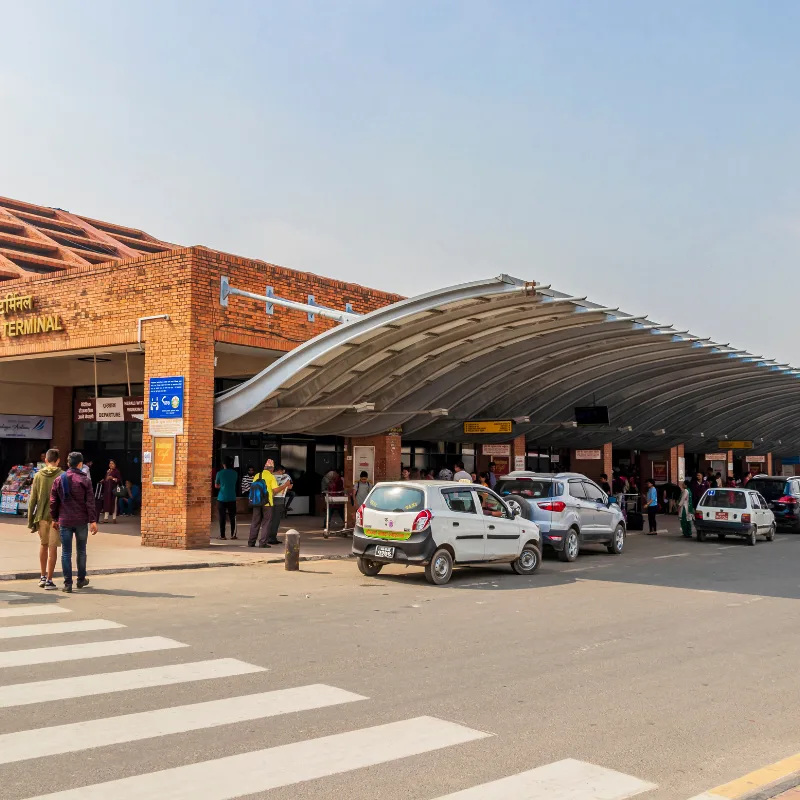
Morning: Arrival at Tribhuvan International Airport
Upon your arrival at Tribhuvan International Airport in Kathmandu, complete the necessary arrival procedures before leaving the airport. Depending on your nationality and visa arrangements, complete the immigration formalities and obtain your Nepal tourist visa at the airport if required.
After immigration, proceed to the baggage collection area and collect your luggage. Once you have collected all your belongings, continue through customs and make your way toward the main airport exit.
Our representative will be waiting for you outside the arrival area with a company sign or logo, making it easy for you to identify the team. After a brief introduction, you will be assisted with your luggage and transferred to your hotel in Kathmandu.
Midday: Transfer to Thamel and Hotel Check-In
Enjoy a short drive from the airport to Thamel, Kathmandu’s well-known tourist district. Depending on traffic conditions, the transfer generally takes around 30–45 minutes. Along the way, you will get your first impressions of Kathmandu, including its busy streets, traditional neighborhoods, temples, local markets, and everyday urban life.
Upon reaching Thamel, check into your hotel and settle into your room. Take some time to refresh and recover from your journey. If you arrive early enough, you can enjoy a relaxed walk around the neighborhood and explore its narrow streets, cafés, restaurants, souvenir shops, trekking stores, and local handicraft outlets.
Afternoon: Free Time and Trek Preparation
The remainder of the afternoon is free for rest and personal activities. You may use this time to organize your trekking equipment, check your clothing and footwear, and make sure you have all the essential items required for the journey.
Thamel is also a convenient place to purchase or rent last-minute trekking equipment if necessary. You can find items such as trekking poles, warm clothing, rain gear, backpacks, water bottles, and other outdoor essentials in the surrounding shops.
If you prefer a quieter afternoon, simply relax at the hotel and recover from your international journey. Staying well-rested before the trek begins will help you start the following days comfortably.
Evening: Trekking Briefing and Welcome Dinner
Later in the day, meet your trekking guide and team for an important pre-trek briefing. Your guide will introduce the trekking staff and explain the planned route, daily walking schedule, expected trail conditions, accommodation arrangements, meals, altitude changes, and general safety procedures.
You will also receive practical information about trekking at higher elevations, appropriate pacing, hydration, weather conditions, and what to expect during the journey. Use this opportunity to clarify any questions you may have regarding the trek.
In the evening, enjoy a welcome dinner, where you can experience some traditional Nepali cuisine and spend time with your trekking team. After dinner, return to the hotel, prepare your belongings for the following morning, and get a good night's rest before beginning the adventure.
Morning: Swayambhunath and Pashupatinath Temple
After breakfast, meet your guide and begin a guided sightseeing tour of the Kathmandu Valley, visiting some of Nepal’s most significant cultural, historical, and religious landmarks. The tour provides an excellent introduction to the country’s diverse traditions before beginning your trekking adventure.
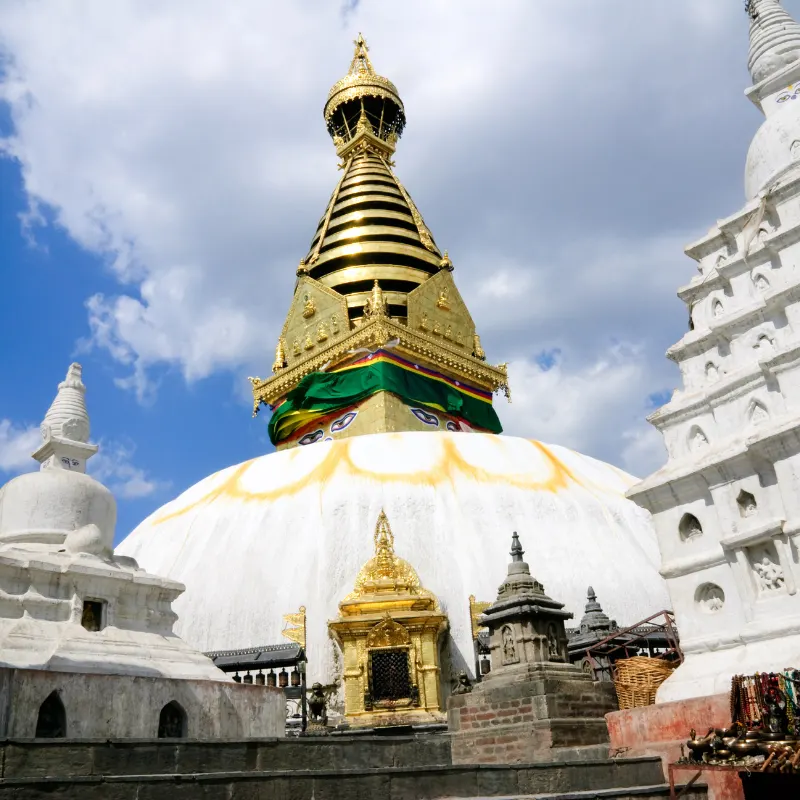
Your first destination is Swayambhunath Stupa, commonly known as the Monkey Temple. Located on a hilltop overlooking Kathmandu, this ancient Buddhist complex is reached by climbing a series of steps to the main stupa. Prayer wheels, shrines, monasteries, colorful prayer flags, and religious sculptures surround the site. From the hilltop, you can also enjoy broad views across Kathmandu Valley when weather conditions are clear.
Continue to Pashupatinath Temple, one of the most sacred Hindu pilgrimage sites in Nepal. Located along the banks of the Bagmati River, the extensive temple complex contains numerous shrines, statues, and religious structures. Your guide will explain the site's importance in Hindu traditions and the cultural practices that take place within the temple area.
Midday: Explore Boudhanath Stupa
Continue the sightseeing tour to Boudhanath Stupa, one of the largest and most important Buddhist stupas in Nepal and a major center of Tibetan Buddhist culture in Kathmandu.
The enormous white dome and golden pinnacle are surrounded by prayer wheels, monasteries, traditional shops, restaurants, and colorful prayer flags. Take time to walk around the stupa in a clockwise direction while observing pilgrims, monks, and local devotees carrying out their daily religious practices.
Your guide will introduce you to the history and significance of Boudhanath and explain the symbolism associated with the stupa's distinctive architectural features. The surrounding area also provides an opportunity to experience the unique blend of Tibetan, Himalayan, and Kathmandu Valley cultures.
Afternoon: Patan Durbar Square
After lunch, continue to Patan Durbar Square, located in the historic city of Lalitpur, also known as Patan. This UNESCO-listed heritage area is renowned for its exceptional Newari architecture, traditional courtyards, temples, shrines, and former royal palace complex.
Explore the historic palace courtyards and surrounding temples while learning about the artistic and architectural traditions that developed in the Kathmandu Valley. The area is particularly famous for intricate woodcarving, stone sculpture, metalwork, pagoda-style temples, and finely detailed religious artwork.
Your guide will provide information about the history of Patan and the importance of Newari craftsmanship. If time permits, you may also have an opportunity to visit nearby traditional streets and local handicraft shops before returning to Kathmandu.
Evening: Return to Hotel and Trek Preparation
After completing the sightseeing program, return to your hotel in Kathmandu. Take some time to relax and recover after a full day of cultural exploration.
The evening can also be used for final trekking preparation. Check your backpack, organize your clothing and personal equipment, and make sure essential items such as water bottles, trekking shoes, rain protection, warm layers, personal medication, and other necessary gear are ready.
Your guide or trekking team can assist with any last-minute questions regarding the upcoming route. Enjoy a relaxed evening and get a good night's sleep so that you are well rested for the beginning of your trekking journey.
Morning: Depart Kathmandu and Begin the Scenic Drive
After breakfast at your hotel, begin the scenic road journey from Kathmandu to Pokhara. Covering approximately 200 kilometers / 124 miles, the drive takes around 5–6 hours, depending on traffic, road conditions, and stops along the way.
As you leave Kathmandu Valley, the busy urban surroundings gradually give way to peaceful countryside. The road winds through green hills, terraced farmland, forested slopes, and traditional villages. Along the route, you will see local houses, agricultural fields, roadside settlements, and people engaged in their daily activities.
The changing landscape makes the drive an enjoyable introduction to Nepal's rural environment, with the Himalayan foothills becoming increasingly prominent as you travel westward.
Midday: Trishuli River Valley and Lunch Stop
Continue along the scenic highway through the Trishuli River Valley. In several sections, the road follows the river, offering views of its winding course, rocky riverbanks, deep valleys, and surrounding hills. Depending on the season, you may also notice areas used for rafting and other river activities.
The journey passes through small towns and villages where you can observe traditional rural life. Terraced fields stretch across the hillsides, while suspension bridges, streams, forests, and cultivated slopes add variety to the scenery.
Around midday, stop at a suitable roadside restaurant for lunch. Take some time to relax, enjoy a meal, and stretch your legs before continuing toward Pokhara.
Afternoon: Continue Through the Hills to Pokhara
After lunch, resume the drive through the scenic middle hills of Nepal. As you approach Pokhara, the valleys gradually become broader and the surrounding landscape more open and peaceful.
On clear days, you may begin to see impressive Himalayan peaks in the distance, including sections of the Annapurna range, Dhaulagiri, and Machhapuchhre (Fishtail). The distinctive profile of Machhapuchhre is particularly noticeable when visibility is good.
Upon reaching Pokhara, transfer to your hotel and complete the check-in process. Take some time to freshen up and relax after the long drive. The peaceful surroundings of Pokhara provide a welcome contrast to the busy atmosphere of Kathmandu.
Evening: Phewa Lake and Dinner
In the evening, enjoy free time around Pokhara Lakeside. Take a relaxed walk along the shores of Phewa Lake, explore the nearby streets, or sit at one of the lakeside cafés and enjoy the calm atmosphere.
If the weather is clear, you may enjoy beautiful views of the surrounding hills and mountains reflected across the lake. The Lakeside area also offers restaurants, cafés, local shops, handicraft stores, and pleasant places to relax.
Later, enjoy dinner at the hotel or a suitable restaurant in Pokhara. After dinner, return to your hotel, organize your trekking equipment, and prepare for the next day's adventure.
Morning: Drive from Pokhara to Phedi and Begin Trek
After breakfast, leave Pokhara by road and drive toward Phedi, the starting point of today's trekking route. The short drive takes approximately one hour, passing through the outskirts of Pokhara and gradually entering the quieter foothill landscapes.
Upon reaching Phedi, meet the trekking team, make final preparations, and begin walking along the mountain trail. The initial section involves a steady uphill climb, with stone-paved steps and well-established paths leading through the surrounding hills.
As you gain elevation, the landscape gradually changes from roadside settlements to farmland, forest, and traditional mountain villages. The trail provides an excellent introduction to walking in the Annapurna foothills.
Midday: Trek Through Terraced Farmland and Villages
Continue ascending through terraced fields, small settlements, and cultivated hillsides. The stone steps can make the early part of the trek moderately demanding, but the steady pace allows you to enjoy the surroundings without rushing.
Along the way, you will pass traditional houses, farm terraces, water sources, and local paths used by villagers. The peaceful environment and relatively short trekking distance make this a comfortable first walking day.
Around midday, stop at a local teahouse or lodge for lunch. Enjoy a warm meal and take some time to rest before continuing toward Pothana.
Afternoon: Forest Trail and Arrival in Pothana
After lunch, continue along the forested section of the trail. The route passes beneath rhododendron, oak, and other Himalayan vegetation, providing shade and a refreshing atmosphere as the trail gradually climbs higher.
As the forest opens at several points, you may catch glimpses of the surrounding mountains, including portions of the Annapurna range and Machhapuchhre (Fishtail) when weather and visibility are favorable.
The final section of the trail leads toward Pothana, a peaceful mountain settlement situated on the route toward the Annapurna region. After approximately 3–4 hours of trekking, arrive at Pothana and check into a local guesthouse.
Evening: Relax in Pothana and Enjoy Dinner
Once settled in, take time to rest and recover from the day's walk. You can explore the small settlement, interact with local residents, or simply enjoy the quiet mountain surroundings.
If the weather is clear, the evening can offer beautiful views of the surrounding hills and Himalayan peaks. Pothana's elevated location also provides a peaceful setting to experience the transition from the busy environment of Pokhara to the tranquil mountain trails.
Later, enjoy a warm dinner at the guesthouse. After dinner, review the next day's trekking plans with your guide, organize your backpack, and prepare your clothing and equipment for the following day's journey.
Rest early to ensure you are refreshed for the next stage of the trek.
Morning: Leave Pothana and Enter the Forest Trail
After breakfast at the guesthouse, begin today's trek from Pothana, heading deeper into the peaceful Annapurna region. The trail gradually leaves the settlement behind and enters a beautiful forested landscape, with the route steadily gaining elevation.
The path winds through dense stands of rhododendron, oak, and other Himalayan vegetation. During spring, the rhododendron forests can be particularly attractive when the flowers are in bloom, adding color to the otherwise green surroundings.
The trail consists of natural sections, stone steps, and gradually ascending paths. The cool forest shade provides a refreshing walking environment, although the continuous uphill sections require a steady and comfortable pace.
Midday: Trek Through Rhododendron and Oak Forests
Continue along the approximately 10-kilometer trail, following forest paths that become increasingly peaceful and remote. The route passes through areas of thick vegetation, moss-covered trees, small streams, and occasional clearings.
As the elevation increases, the surrounding landscape begins to change. From openings between the trees, you may catch glimpses of Annapurna and Machhapuchhre (Fishtail), particularly when the weather is clear.
The forest is also home to a variety of birds, insects, and small Himalayan wildlife. Your guide can help identify local plants and explain the importance of the forest ecosystem to communities in the Annapurna region.
Around midday, stop at a suitable teahouse or resting point for lunch. Enjoy a warm meal and take time to recover before continuing the uphill trail.
Afternoon: Continue to Forest Camp
After lunch, resume the trek through the tranquil woodland. The trail continues to climb gradually, with occasional steeper sections requiring careful footing. The changing vegetation and increasing elevation provide a noticeable sense of moving farther into the mountain wilderness.
As you approach Forest Camp, the trail becomes quieter and the surrounding forest more secluded. Small clearings provide occasional opportunities to pause, enjoy the mountain air, and take photographs of the surrounding landscape.
After approximately 5–6 hours of trekking, arrive at Forest Camp, situated at around 2,600 meters / 8,530 feet. Check into your local mountain guesthouse and take some time to relax after the day's walk.
Evening: Relax in Forest Camp and Enjoy Dinner
As evening approaches, enjoy the peaceful atmosphere of Forest Camp. Surrounded by forest and away from the busier settlements, this is an ideal place to rest and experience the quieter side of the Annapurna trekking region.
Take time to freshen up, enjoy a warm drink, or sit outside if weather conditions permit. The cooler mountain temperatures become more noticeable after sunset, so keep warm clothing readily available.
Later, enjoy a warm dinner at the guesthouse. After dinner, discuss the following day's trekking route with your guide, organize your backpack, and prepare your clothing and equipment for the next stage.
With the forest surrounding the settlement and the clear mountain air, Forest Camp offers a peaceful setting for an overnight stay.
Morning: Begin the Ascent from Forest Camp
After breakfast, leave Forest Camp and continue climbing toward Low Camp. Although today's trekking distance is relatively short, the trail maintains a steady uphill gradient as you gain elevation. The path winds through dense rhododendron and oak woodland, with moss-covered trees and cool forest surroundings creating a peaceful atmosphere.
Midday: Through the Upper Forest
As you climb higher, the forest gradually becomes less dense and the landscape begins to open. The trail passes through sections of rhododendron woodland and natural mountain terrain, while occasional clearings provide increasingly impressive views of Machhapuchhre (Fishtail). Take a short break along the way and enjoy the changing scenery before continuing toward Low Camp.
Afternoon: Arrive at Low Camp
After approximately 3–4 hours of trekking, reach Low Camp at 3,150 meters. The surroundings become more open compared with Forest Camp, offering broader mountain views. On clear days, you can enjoy striking views toward Annapurna South and Machhapuchhre, making Low Camp a rewarding place to pause and appreciate the Himalayan landscape.
Evening: Rest and Acclimatization
Spend the remainder of the afternoon relaxing at the guesthouse and allowing your body to adjust to the increasing altitude. Enjoy the peaceful mountain surroundings, have a warm meal, and prepare your trekking gear for the following day's higher-altitude journey. An early and comfortable rest is recommended as the trail continues toward higher elevations.
Morning: Leave Low Camp and Enter the Alpine Zone
After an early breakfast at the guesthouse, begin today's trek from Low Camp toward Mardi Himal High Camp. The trail gradually leaves the thicker forest behind as you climb into a more open and rugged mountain environment. The vegetation becomes shorter and sparser, while the views become increasingly expansive.
The route follows a steadily rising trail across grassy slopes and sections of exposed mountain terrain. With the altitude increasing, maintain a comfortable pace and take regular short breaks to stay hydrated and allow your body to adjust.
Midday: Trek Along the Mountain Ridge
As the trail continues upward, the landscape opens dramatically. You will walk along sections of narrow ridgeline where the terrain can be steep, uneven, and exposed in places. The changing elevation provides spectacular views of Machhapuchhre (Fishtail), Annapurna South, Hiunchuli, and other peaks of the Annapurna range.
The ridge walk is one of the most scenic parts of the Mardi Himal route, with mountains visible across the surrounding valleys. Stop at suitable viewpoints to rest, take photographs, and enjoy the increasingly dramatic Himalayan panorama. A packed lunch or lunch at a simple teahouse along the route provides an opportunity to refuel before continuing the climb.
Afternoon: Reach Mardi Himal High Camp
Continue along the increasingly rugged trail toward Mardi Himal High Camp. Some sections involve steeper ascents over rocky and uneven ground, requiring careful footing, particularly in changing weather conditions. After approximately 5–6 hours of trekking, arrive at High Camp at 3,580 meters.
Check into your mountain guesthouse and settle into your room. From High Camp, the surrounding landscape feels distinctly alpine, with wide-open slopes and uninterrupted views toward the major peaks. If weather conditions are clear, the late-afternoon light can create an impressive backdrop over Machhapuchhre and the Annapurna range.
Evening: Mountain Dinner and Rest at High Camp
Spend the evening relaxing at the guesthouse and enjoying the peaceful high-altitude surroundings. As temperatures drop after sunset, dress warmly and keep your water and essential trekking items easily accessible.
Enjoy a warm dinner at the mountain guesthouse, with simple trekking meals such as dal bhat, noodles, pasta, soup, rice, vegetables, or other available local dishes. Since tomorrow begins with an early departure toward the Mardi Himal Viewpoint and Base Camp, have an early night and allow your body to rest at altitude.
Early Morning: Sunrise Hike to Mardi Himal Viewpoint
Wake up early at Mardi Himal High Camp and prepare for one of the most spectacular sections of the trek. After a light breakfast or early morning tea, begin the ascent toward the Mardi Himal Viewpoint at approximately 4,200 meters.
The trail climbs along a narrow mountain ridge, with the terrain becoming increasingly exposed as you move above the tree line. Starting early allows you to experience the first sunlight reaching the surrounding Himalayan peaks. As dawn develops, the mountains gradually change color, creating a memorable sunrise experience.
Morning: Panoramic Views from the High Ridge
Continue steadily along the ridge toward the viewpoint, taking short breaks whenever necessary. At approximately 4,200 meters, reach a prominent viewpoint overlooking the spectacular Annapurna landscape.
From here, enjoy expansive 360-degree mountain panoramas featuring Machhapuchhre (Fishtail), Annapurna South, Hiunchuli, Annapurna I, and numerous surrounding peaks. The open alpine terrain provides unobstructed views across the valleys and mountain ridges, making this one of the major highlights of the Mardi Himal trek.
Midday: Optional Trek to Mardi Himal Base Camp
For trekkers who are physically comfortable and conditions are suitable, continue beyond the viewpoint toward Mardi Himal Base Camp at approximately 4,500 meters. The trail becomes more demanding at this elevation, with steeper sections, rocky terrain, and thinner air requiring a slow and controlled pace.
Reaching Base Camp provides an even closer perspective of Machhapuchhre and the surrounding Annapurna peaks. Spend some time taking photographs, enjoying the dramatic alpine scenery, and appreciating the high-altitude environment before beginning the descent.
Afterward, retrace the ridge toward High Camp. A packed lunch or a meal prepared at High Camp can be enjoyed after returning from the viewpoint and Base Camp section.
Afternoon & Evening: Descend to High Camp and Rest
Continue descending carefully back to Mardi Himal High Camp, where you will have time to relax after the demanding high-altitude excursion. The descent is generally easier than the ascent, but the steep and uneven sections still require careful footing.
Enjoy a warm lunch or late lunch at the guesthouse, followed by time to rest and recover. In the evening, have a nourishing dinner and spend your final night at High Camp. The peaceful mountain surroundings and clear evening skies can provide another opportunity to enjoy views of the Annapurna range before preparing for the descent the following day.
Morning: Descend from Mardi Himal High Camp
After breakfast at Mardi Himal High Camp, begin the descent toward Siding Village. After several days in the high alpine environment, today's trail brings a noticeable change in scenery as you gradually lose altitude.
The route follows mountain slopes and natural trails, with the rugged alpine landscape slowly giving way to greener vegetation. Descend at a comfortable pace, taking care on steep or uneven sections of the trail.
Midday: Through Rhododendron and Oak Forests
As the elevation decreases, the trail enters beautiful rhododendron and oak forests. The cooler, greener surroundings provide a refreshing contrast to the exposed ridges and high-altitude landscapes experienced during the previous days.
Continue through forested paths, small clearings, and sections of hillside trail before reaching lower mountain settlements. Enjoy a lunch break along the route or upon reaching a suitable teahouse, with a warm local meal providing energy for the final section toward Siding.
Afternoon: Reach Siding Village and Drive to Pokhara
After approximately 4–5 hours of trekking, arrive at Siding Village at 1,750 meters. This peaceful mountain settlement offers a glimpse into the traditional lifestyle of local communities, including traditional houses, cultivated hillsides, and everyday village life.
After some time in Siding, meet your private vehicle and begin the drive toward Pokhara. The journey follows winding mountain roads through rural landscapes and gradually returns to the more developed surroundings of Pokhara.
Upon arrival, check into your hotel and take time to refresh and rest after completing the trekking section.
Evening: Relax beside Phewa Lake
Spend the evening at your leisure in Pokhara. You may take a relaxing walk around Phewa Lake, explore the Lakeside area, enjoy a meal at a lakeside restaurant, or simply rest at the hotel.
Enjoy a comfortable dinner in Pokhara, with a variety of local and international options available. After the demanding mountain journey, the evening provides a welcome opportunity to relax, recover, and enjoy the peaceful atmosphere of the city.
Morning: Fly from Pokhara to Kathmandu
After breakfast at your hotel, transfer to Pokhara Airport for your short domestic flight to Kathmandu. The approximately 25-minute flight provides a final opportunity to admire the spectacular Himalayan landscape from above.
Weather permitting, enjoy aerial views of the Annapurna range, Machhapuchhre, and surrounding Himalayan peaks as the aircraft leaves the Pokhara Valley and heads toward Kathmandu.
Midday: Arrive in Kathmandu
Upon landing at Tribhuvan International Airport, meet your representative and transfer to your hotel in Kathmandu. Check in and take some time to freshen up and relax after the flight.
Enjoy lunch at the hotel or a nearby restaurant. The remainder of the afternoon is free, giving you flexibility to explore Kathmandu according to your interests.
Afternoon: Explore Kathmandu at Leisure
Use your free afternoon to revisit places you may have missed before the trek or explore the city's cultural and shopping areas. You can stroll through Thamel, browse local handicrafts and souvenirs, visit nearby heritage sites, or simply enjoy a relaxed afternoon at your hotel.
This is also a good opportunity to purchase traditional Nepali handicrafts, trekking souvenirs, locally made products, or gifts to take home.
Evening: Farewell Dinner and Cultural Celebration
In the evening, gather for a special farewell dinner at a traditional Nepali restaurant. Enjoy authentic Nepali cuisine while experiencing cultural music and traditional dance performances.
The evening marks the completion of your Mardi Himal Trek and provides a memorable opportunity to celebrate the journey, share experiences with your trekking team, and reflect on the mountain landscapes and villages you experienced along the trail.
After dinner, return to your hotel for a comfortable overnight stay in Kathmandu.
Morning: Final Breakfast in Kathmandu
Enjoy your final breakfast at the hotel and take some time to prepare for your international departure. Check your belongings, organize your trekking equipment and souvenirs, and confirm your flight schedule before leaving the hotel.
Midday: Transfer to Tribhuvan International Airport
At the scheduled time, our representative will meet you at your hotel and provide a private transfer to Tribhuvan International Airport. The transfer timing will be arranged according to your international flight schedule, allowing sufficient time for airport check-in, security procedures, and immigration formalities.
Afternoon: Depart Nepal
Complete the required airport procedures and board your international flight. As you depart Nepal, enjoy your final moments in the Kathmandu Valley and reflect on the experiences from your Mardi Himal journey.
The trek has taken you through rhododendron and oak forests, traditional mountain villages, alpine ridges, and spectacular Himalayan landscapes, with memorable views of the Annapurna range and Machhapuchhre.
Evening: Farewell to Nepal
As your journey comes to an end, take with you lasting memories of the Mardi Himal Trek, the warm hospitality of local communities, peaceful mountain trails, and the dramatic Himalayan scenery.
We hope to welcome you back to Nepal for another unforgettable trekking, cultural, or Himalayan adventure.
Want to customize this itinerary?
Tailor duration, lodges, acclimatization days, or add private helicopter flights.
Inclusions & Exclusions
Everything that is covered and what you'll need to budget separately
What is Included
Fully covered in your package price
- Airport pickup and drop services on a private vehicle
- Transportation from Kathmandu to Pokhara and back to Kathmandu in tourist bus
- Food all along the trip(Breakfast, Lunch, Dinner and a cup of coffee or tea) and accommodations during the trip in hotels with family environment(including two nights stay in Pokhara)
- One licensed English or Chinese or Korean or Hindi along with Nepali speaking trekking guide
- First Aid Medical Kit(Carried by the guide)
- All the required permits and paperworks
- Welcome or farewell dinner in Kathmandu at a cultural restaurant(complimentary)
- A nation-wide operated Mobile SIM Card and a map of the trekking region
Optional Addons
- Porter
- Private Jeep
What is Excluded
Personal expenses & optional extras
- International Airfare
- Visa Charges
- Hotel Expenses(In Kathmandu)
- Your travel and medical insurance
- Personal Expenses such as shopping, bar bills, hot shower, telephone, laundry, titbits etc
- Food and accommodations in Kathmandu
- Emergency expenses such as expenses on charted helicoptor
- Tips for guides and porters
Our Customer Reviews
Authentic experiences and feedback from our travelers
Write a Review
Share your adventure experience with other travelers
Thank You!
Your review has been submitted and is awaiting approval.
Please Wait
You've submitted several reviews recently. Please wait a few minutes before trying again.
Linnea Nielsen
Booking something that suits both adults and children is not easy, but this did. The approach to Tribhuvan International Airport Upon your arrival was one of the most scenic parts of the whole trip. For me, Kathmandu Valley sightseeing was the standout. I came home with a longer list of things I want to do, not a shorter one. The packed lunches were simple but did the job. The roads were rough in places, but our driver knew them well. I would leave a little room in the plan for spontaneous stops. Bumpy, dusty and completely worth it. Tip: Leave a little space in your bag for things you will inevitably buy.
Louise Schneider
This one had been on our list for a while, and it mostly lived up to the hype. The stories around Mardi Himal High Camp made the place feel alive rather than just scenic. The day we did The 11-day route pairs Kathmandu’s cultural landmarks with an uncrowded high-ridge trek, eac... was probably my favourite. We brought a small notebook and wrote something each evening, which I am glad we did. Highly recommended.
Mathilde Strand
The views kept changing, which meant I was constantly reaching for my camera. We had planned to pass through Tribhuvan International Airport quickly, but stayed much longer. A short and accessible ridge trek was worth the early start. I filled an entire card before we even reached the halfway point. The stars at night were incredible, especially away from the villages. The jeep was the right way to cover that much ground in the time we had.
Julia De Vries
If you are on the fence about booking this, take this as a sign to go. Phewa Lake and Pokhara felt less like an and more like a proper experience. The scale of Mardi High Camp is hard to capture in a photograph. The guide adjusted the pace for the slower members of the group without making anyone feel bad. The jeep was the right way to cover that much ground in the time we had.
David Schulz
We were not sure about spending so long in a vehicle, but the scenery kept it interesting. There was a lot of uphill before Visa Arrangements, but the descent afterwards was gentle. Siding Village descent was even better than the photos suggest. The trip changed pace often, which kept it interesting. I would bring a cushion next time, but the bumpy parts were worth it. I appreciated the small gestures, like remembering how we liked our tea. Breakfasts were basic but filling, and the tea was always hot. I would pack for colder weather than you think you need. I appreciated the trip more as time has gone on. I appreciated that the itinerary included some buffer time. We kept meeting people who had done the route before and each had a different version of it. The jeep was the right way to cover that much ground in the time we had. Tip: Ask the guide about the quieter alternatives if a stop is busy.
Alice Van Leeuwen
The off-road sections were bumpy, but that was part of the fun. There was a nice balance of effort and reward around Mardi Himal Viewpoint. The approach to Pothana was one of the most scenic parts of the whole trip. The jeep gave us access to villages that felt far away from the main road. Bring an appetite and a willingness to try things.
Frequently Asked Questions
Essential information on preparation, route specifics, safety standards, and logistical details.