Khopra Ridge Trekking — 10 Days | Nepal Lion Tours
An Off-the-Beaten-Path Himalayan Trek to Khopra Ridge and Sacred Khayer Lake
Khopra Ridge Trekking

Tour Highlights
The Khopra Ridge Trekking packs three dawn viewpoints, a ridge at 3,660 m and a sacred high-altitude lake into one week of walking. These are the moments trekkers remember.
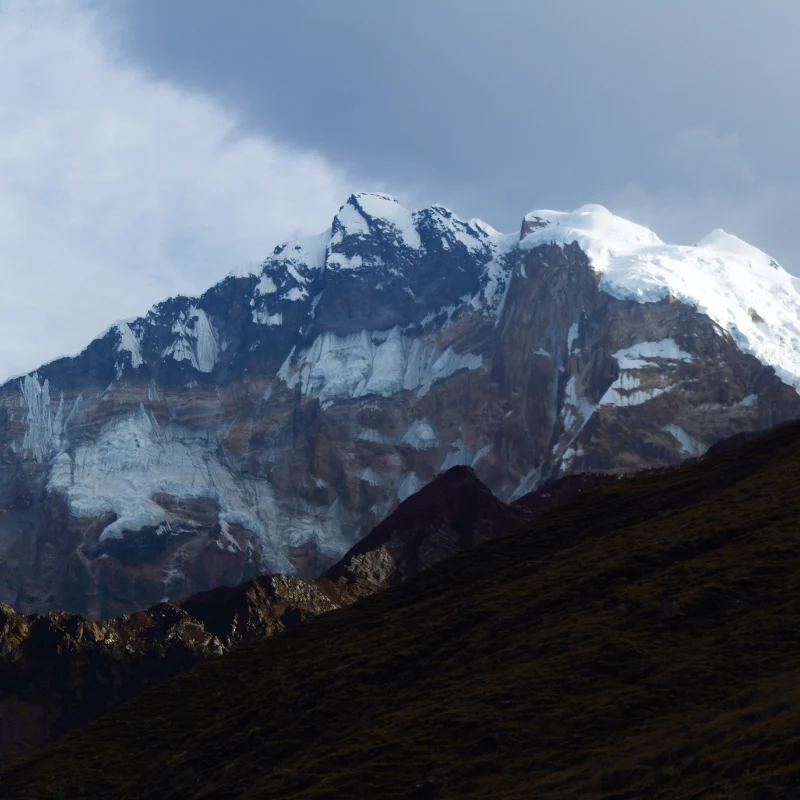
- Muldai Viewpoint Sunrise — The highest viewpoint on the ridge route: a pre-dawn climb rewarded with a 360-degree sweep of Annapurna I, Annapurna South, Machhapuchhre and Dhaulagiri.
- Khayer Lake at 4,500 m / 14,763 ft — The signature excursion of the trek: a full-day climb to a sacred Hindu lake sitting at the highest point of the route.
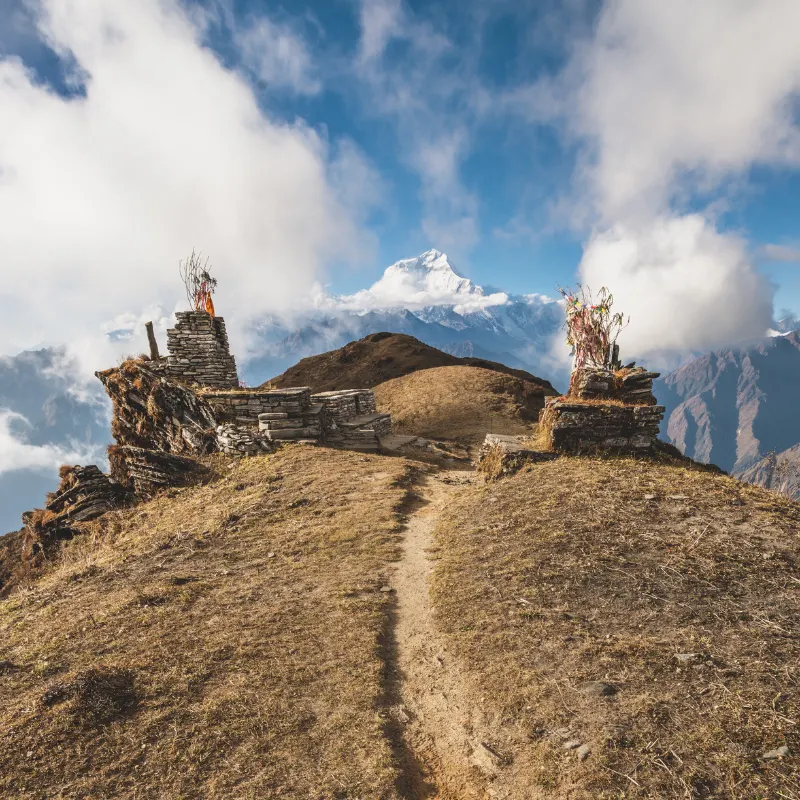
- Khopra Danda Ridge Sunset — Sunsets over Dhaulagiri from the 3,660 m ridge are the reason the extra climb is worth it; far fewer trekkers share the view than at Poon Hill.
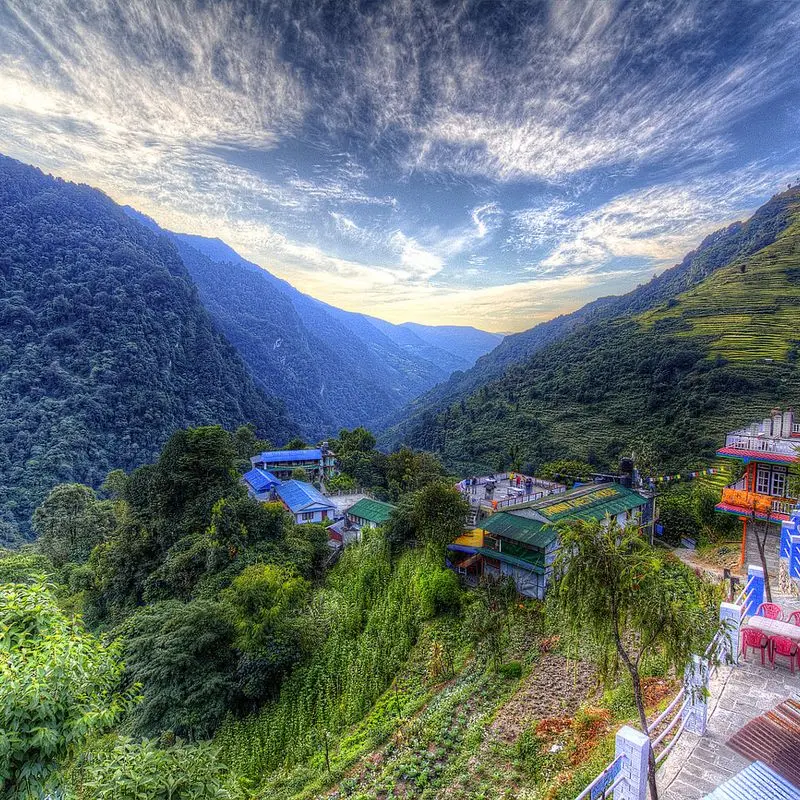
- Rhododendron and Pine Forests — The trek climbs through dense forests of rhododendron, pine and oak between Tadapani and Dobato, alive with birdlife in spring.
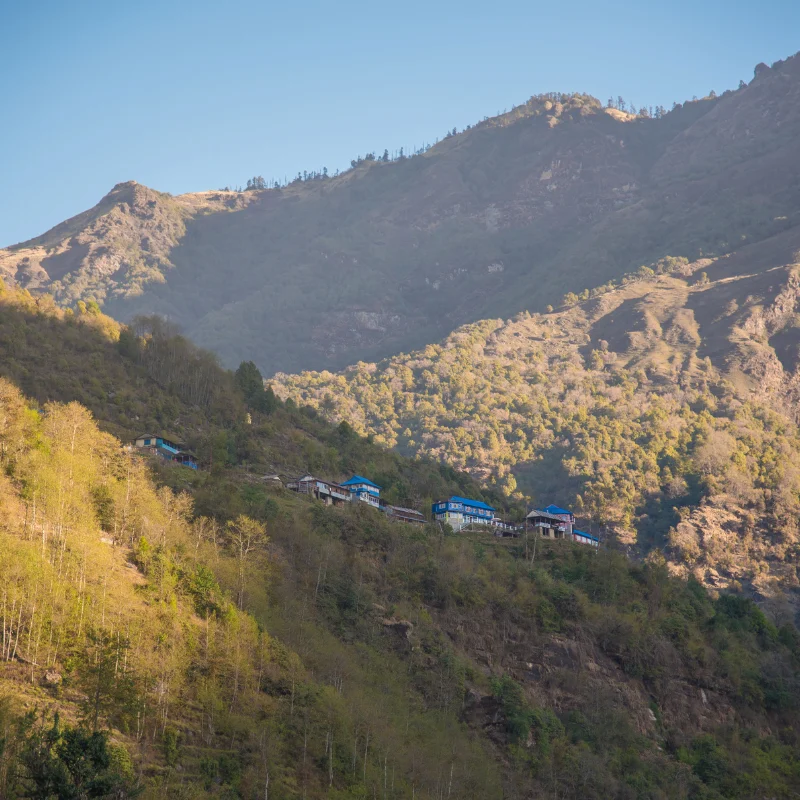
- Magar Village of Swanta — A genuine mountain community at 2,200 m where the descent meets warm hospitality and a taste of village life.
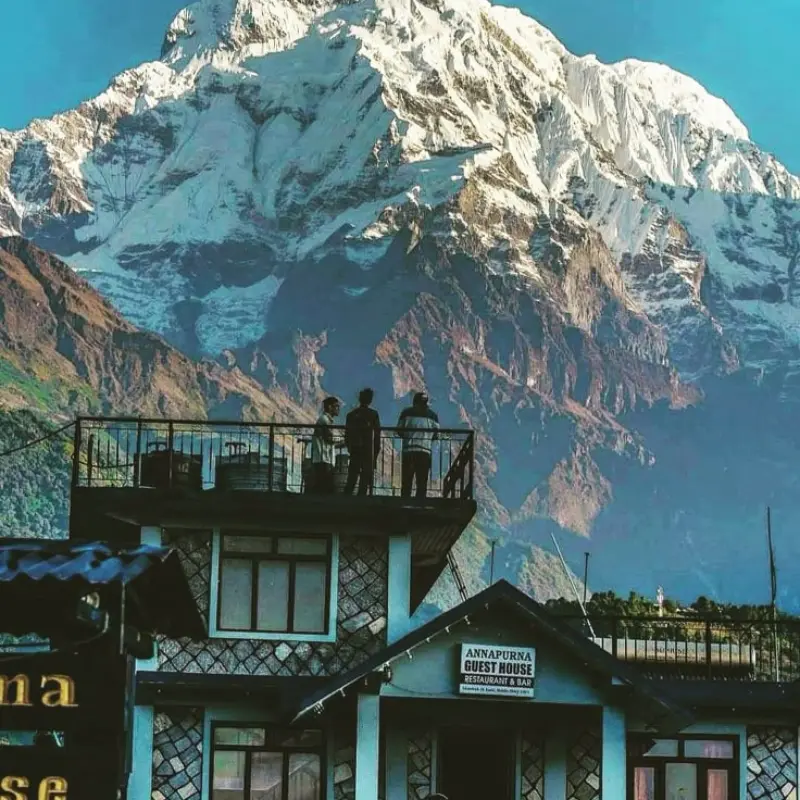
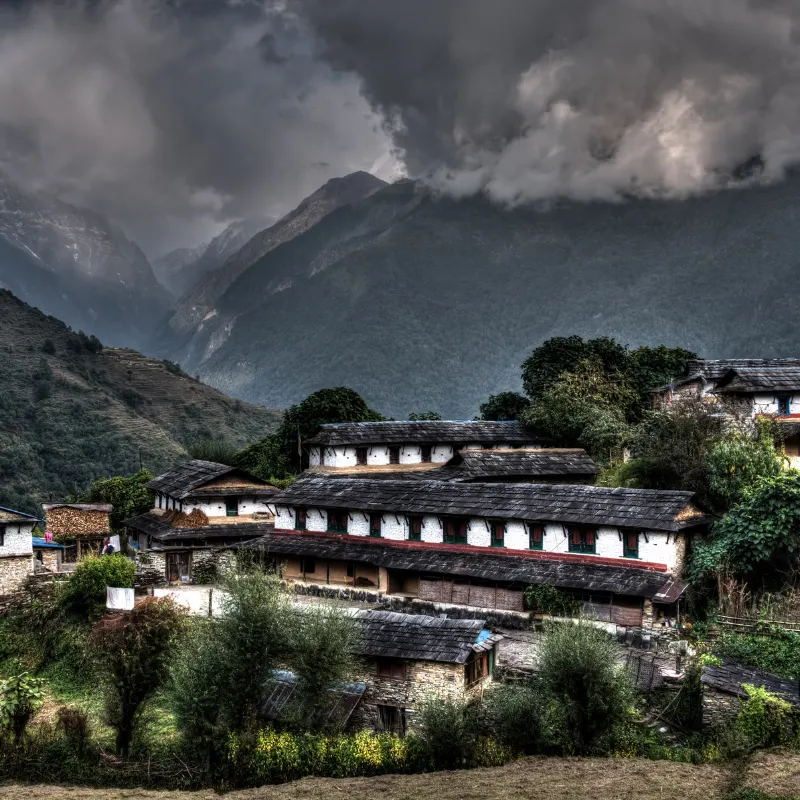
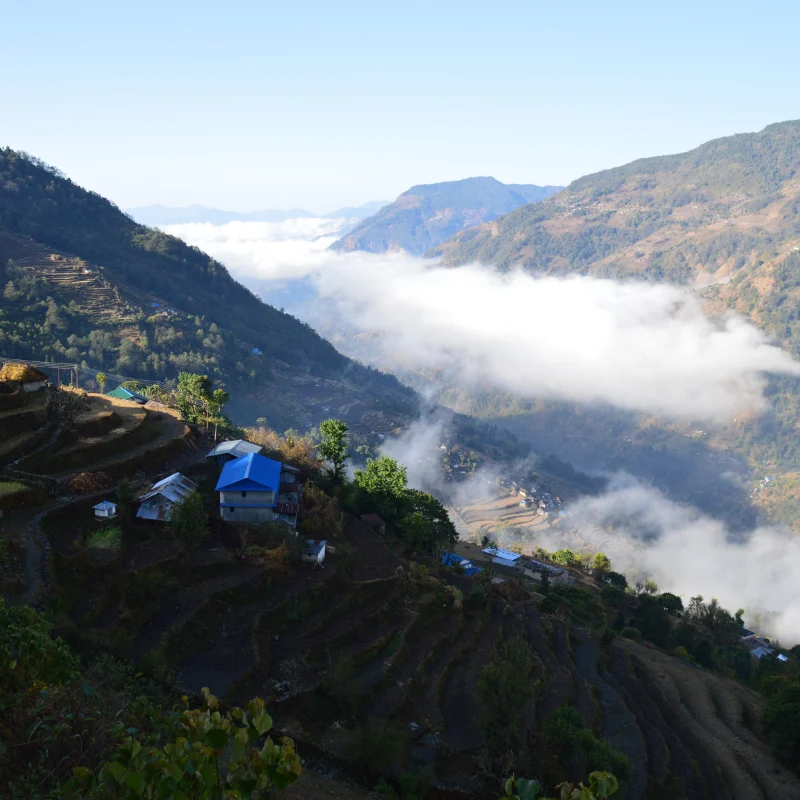
- Gurung Village of Ghandruk — The trek’s trailhead, an iconic stone-house Gurung settlement below the Annapurnas with museum and postcard views.
- Poon Hill Grand Finale — The classic 3,210 m sunrise viewpoint over Annapurna South and Dhaulagiri closes the trek before the descent to Ulleri.
- A Short, Accessible High-Altitude Itinerary — Ten days with a road-accessible start, teahouses throughout, a top altitude of 4,500 m and 3–11 hours of walking per day.
Khopra Ridge Trekking Overview
The Khopra Ridge Trekking is a 10-day trek in the Annapurna region of Nepal — a quieter, higher, and more dramatic alternative to the classic Ghorepani Poon Hill circuit. It climbs for three days above the Ghandruk valley to the Khopra Danda ridge at 3,660 m / 12,007 ft, catches sunrise from the Muldai Viewpoint and Poon Hill, and pushes further up to the sacred Khayer Lake at 4,500 m / 14,763 ft — the highest point on the route. Graded moderate to challenging, it suits fit hikers who want big mountain views without the crowds.
The trek starts with a tourist bus ride from Kathmandu to Pokhara, a short drive to the Gurung village of Ghandruk, and a steady climb through Tadapani and Dobato onto the Khopra Ridge. From there you walk the high ridge to Khopra Danda, make the long day excursion to Khayer Lake, and descend through the Magar village of Swanta before climbing to Ghorepani for the Poon Hill sunrise and the stairway descent to Ulleri. You return by jeep to Pokhara and bus to Kathmandu for departure.
With Nepal Lion Tours, the package starts from USD 490 per person and includes a licensed English-speaking guide, porter, teahouse accommodation with meals on trek, ACAP and TIMS permits, Kathmandu–Pokhara tourist bus tickets, private drive to Ghandruk and shared jeep from Ulleri to Pokhara, plus a down jacket, sleeping bag and duffel bag for hire. It is an off-the-beaten-path Annapurna itinerary for trekkers who want classic Himalayan sunrises with far fewer people on the trail.
What Makes the Khopra Ridge Trekking Special?
The real draw is quiet. Khopra Ridge receives a fraction of the trekkers who climb Poon Hill, yet it sits higher and closer to the giants: Annapurna I, Annapurna South, Machhapuchhre, Dhaulagiri and Nilgiri fill the horizon from the ridge. The Muldai Viewpoint sunrise and the Khopra Danda ridge sunsets are the centrepieces, and the day to Khayer Lake — a sacred Hindu lake at 4,500 m — is the hardest and most rewarding walk on the route. The trek finishes with the famous Poon Hill sunrise over Annapurna South and Dhaulagiri, so you get the classic view as the grand finale.
Why Choose the Khopra Ridge Trekking?
If you want the full Annapurna sunrise experience in one week of walking, this itinerary is the practical pick. It starts from the road-accessible trailhead at Ghandruk, uses comfortable teahouses all the way, tops out at 4,500 m rather than pushing toward summit altitude, and keeps the last days short so you can rest and enjoy the descent. It bundles three of the region’s best viewpoints — Muldai, Khopra Ridge and Poon Hill — into a single manageable itinerary.
Who Is This 10-Day Trek Suitable For?
- Fit first-time Himalayan trekkers who want an achievable altitude and clear daily structure
- Hikers with limited leave who still want a genuine high-altitude sunrise trek
- Travellers who prefer calm teahouses and quiet trails over crowded viewpoints
- Honeymooners and couples wanting dramatic scenery with teahouse comfort
- View-hunters chasing Annapurna and Dhaulagiri panoramas at dawn
- Walkers who have already done Poon Hill and want a step up in height and remoteness
- Trekkers combining a Ghandruk or Annapurna visit with a return to Pokhara by road
No previous high-altitude trekking experience is required. The one caveat is fitness: the Khopra–Khayer Lake day runs 10–11 hours to 4,500 m, so this trek rewards regular walkers and honest preparation.
Guide’s Note — Nepal Lion Tours
From our experience leading Khopra Ridge departures, trekkers remember the Muldai Viewpoint sunrise long after they forget the climb. You leave the lodge before dawn, and as daylight washes over Annapurna South and Dhaulagiri you understand exactly why this ridge is worth the quiet, steady climb. We plan the walking pace around each group, so even the long Khayer Lake day comes with plenty of rest breaks.
— Bikash Gurung, Lead Trekking Guide
Quick Facts
Trek Fact | Details |
|---|---|
Trek Name | Khopra Ridge Trekking |
Duration | 10 days / 9 nights |
Region | Annapurna, Gandaki Province, Nepal |
Maximum Altitude | 4,500 m / 14,763 ft at Khayer Lake |
Difficulty | Moderate to Challenging |
Main Highlight | Muldai Viewpoint sunrise, Khopra Ridge panorama and the sacred Khayer Lake |
Optional Highlight | Khayer Lake excursion (Day 6) |
Start / End | Kathmandu to Kathmandu |
Route | Ghandruk – Tadapani – Dobato – Muldai – Khopra Danda – Khayer Lake – Swanta – Ghorepani – Poon Hill – Ulleri |
Typical Walking | 3–4 to 10–11 hours per day |
Best Season | March–May and September–November |
Price From | USD 490 per person |
Accommodation | Teahouse lodges |
Guide | Licensed English-speaking trekking guide |
Khopra Ridge Trekking Route and Elevation
The route builds gradually. You transfer by road from Kathmandu to Pokhara, drive to the trailhead at Ghandruk, climb through forest for two days onto the Khopra ridge, spend two days high on the ridge at Khopra Danda, then descend through Swanta and Ghorepani to the road at Ulleri for the drive back to Pokhara. The final day returns you to Kathmandu by tourist bus.
Khopra Ridge Trekking Route at a Glance
Day | Trek Route | Altitude | Highlights |
|---|---|---|---|
1 | Arrival in Kathmandu | 1,350 m / 4,429 ft | Airport pickup, trek preparation and briefing |
2 | Tourist bus Kathmandu to Pokhara | 822 m / 2,697 ft | 8–9 hour road journey, evening on Phewa Lake |
3 | Drive to Ghandruk, trek to Tadapani | 2,675 m / 8,776 ft | 3–4 hours walking through Gurung country |
4 | Tadapani to Dobato | 3,420 m / 11,220 ft | 5–6 hours through rhododendron and pine forest |
5 | Muldai Viewpoint to Chistibung to Khopra Danda | 3,660 m / 12,007 ft | 8–9 hours; sunrise from Muldai, ridge views all day |
6 | Excursion to Khayer Lake and return | 4,500 m / 14,763 ft | 10–11 hours; the hardest and highest day |
7 | Descend Khopra Danda to Swanta | 2,200 m / 7,217 ft | 6–7 hours through the Magar village of Swanta |
8 | Swanta to Ghorepani, Poon Hill sunrise, descend to Ulleri | 3,210 m / 10,531 ft | 6–7 hours; classic Poon Hill dawn, drive to Pokhara |
9 | Tourist bus Pokhara to Kathmandu | 1,350 m / 4,429 ft | 8–9 hour road journey back to the capital |
10 | Final departure from Nepal | — | Airport transfer with fond memories |
Note on Day 8: the source itinerary overnight is Swanta, so the day opens with the climb from Swanta to Ghorepani before the early Poon Hill sunrise hike, followed by the descent to Ulleri and the jeep drive to Pokhara.
Khopra Ridge Trekking Elevation Profile
The profile is a long stairway: Kathmandu at 1,350 m, Pokhara at 822 m, then a steady climb from Ghandruk through Tadapani (2,675 m) and Dobato (3,420 m) to the ridge overnight at Khopra Danda (3,660 m). The highest point is the Khayer Lake excursion at 4,500 m — a climb-and-return day, not an overnight. The descent drops to Swanta at 2,200 m, then climbs again to Ghorepani (about 2,874 m) and Poon Hill (3,210 m) for the finale before the long stairway down to Ulleri and the road.
What this means physically: the toughest morning is the Muldai Viewpoint pre-dawn climb, the longest single day is the Khayer Lake excursion, and the final descent from Poon Hill to Ulleri is a steep, knee-honest stairway of roughly 3,200 stone steps. Pacing is everything — the guides set a steady, altitude-friendly rhythm. A trekking map and detailed elevation profile are included with the package materials.
How to Get to the Khopra Ridge Trekking
The trek starts and ends in Kathmandu and relies on reliable road transfers rather than mountain flights, which makes it easy to reach no matter where you fly into Nepal. The route in via Pokhara is straightforward and well-practised.
Kathmandu to Pokhara: Flight or Road?
Option | Approx. Transfer Time | Best For |
|---|---|---|
Flight from Kathmandu to Pokhara | 25–30 minutes | Saving time, scenic Himalaya views in clear weather |
Tourist bus from Kathmandu to Pokhara | 8–9 hours (road under construction) | Budget travel, land-hugging valley scenery |
Private vehicle | 7–9 hours | Comfort, flexibility, family groups |
The road section between Kathmandu and Pokhara is under construction, so journey times run long — the package uses the tourist bus and builds in the full 8–9 hours. If you prefer speed and clear-day views of the Himalaya, the 30-minute flight into Pokhara is a good upgrade; Nepal Lion Tours can arrange it on request. Booking travel without a tight same-day connection between your international flight and the road leg is the safest choice.
Pokhara to Ghandruk Trailhead
Ghandruk is about 45 km from Pokhara, roughly 2–3 hours by private vehicle along the winding Modi Khola road. The final kilometres climb into the hills, and the drive is scenic but rocky in places. A private transfer suits the package best because it leaves at the group’s pace and delivers you straight to the trailhead with time to walk the first stage to Tadapani the same day. Your guide confirms the road condition and exact drop point on the morning of departure.
Guide’s Note — Nepal Lion Tours
From our experience running Khopra Ridge departures, the Kathmandu–Pokhara leg is the longest road day of the itinerary. We have trekkers rest well the night before, carry snacks and water for the bus, and treat the day as a relaxed travel day rather than riding it tense. Once you reach Pokhara and then Ghandruk, the walking begins gently and the hills ease you in.
— Bikash Gurung, Lead Trekking Guide
Returning to Pokhara After the Trek
After the Poon Hill sunrise and the stairway descent to Ulleri, a shared jeep takes you back to Pokhara, roughly a 3–4 hour drive. You arrive with the afternoon free — rest, a lakeside dinner and a well-earned celebration. On Day 9 the tourist bus returns you to Kathmandu.
A Practical Tip for International Travellers
Do not schedule your international departure too tightly after the trek. The road journey back to Kathmandu on Day 9 can run long, and you want a buffer for airport formalities. Nepal Lion Tours recommends booking your flight home for the day after the trek ends, or at minimum late in the day following the return bus. Access remains simple and road-based throughout.
Khopra Ridge Trekking Difficulty, Fitness & Altitude
The trek is graded moderate to challenging: moderate for the ridge sections and comfortable for the forest and village days, challenging on the Muldai pre-dawn climb and the long Khayer Lake excursion to 4,500 m. “Moderate” does not mean flat — every day involves uphill trail work and the Poon Hill-to-Ulleri descent is a steep stone stairway. Nothing is technical, there is no rock climbing, and you sleep in teahouses every night rather than camping.
Where the Effort Actually Is?
Three moments carry most of the work. The first is the Muldai Viewpoint pre-dawn climb on Day 5 — steep, cold and dark, and worth every step. The second is the Khayer Lake day on Day 6: roughly 10–11 hours out and back to 4,500 m, the altitude the route demands respect for. The third is the final descent from Poon Hill to Ulleri, about 3,200 stone steps that test the knees more than the lungs. The middle forest days average 5–8 hours of comfortable, altitude-graded walking with stops for tea and viewpoints.
Guide’s Note — Nepal Lion Tours
The Khayer Lake day surprises most trekkers because it is a full 10–11 hours to a lake you climb up to and then back from. Compared with the ridge sunsets it feels long, but the pace is deliberately steady. We recommend you carry high-energy snacks, keep the water coming, and take the lake at your own rhythm — the guides stay with the back of the group.
— Bikash Gurung, Lead Trekking Guide
How to Prepare for the Khopra Ridge Trekking
- Walk regularly for 6–8 weeks before departure, building up to 4–6-hour days
- Practise hills and stairs — the route is uphill climbs and long stairways
- Strengthen your legs with squats, lunges and step-ups for the descents
- Take one or two long day hikes with a loaded daypack on your shoulders
- Get used to rising early — two sunrise starts (Muldai and Poon Hill) are on the schedule
- Do not overtrain in the final week; arrive on the trail rested rather than worn out
How Difficult Is Khopra Ridge Compared with Longer Treks?
It is shorter and lower than the classic Annapurna itineraries — the Annapurna Circuit and Annapurna Base Camp both rise higher and run for two weeks or more. Khopra Ridge tops out at 4,500 m on a single excursion day and never sleeps above 3,660 m, so the altitude load is lighter. It is, however, a genuine consecutive-day walking trip: six full walking days with two big climbs. A reasonable level of fitness and willingness to handle a 10-hour day is all that is required.
Altitude, Acclimatization & Safety
The maximum altitude is 4,500 m at Khayer Lake, with overnight sleeps at or below 3,660 m. This remains high enough that altitude awareness matters — mild symptoms are normal, and listening to your body is the single best safety tool.
Khopra Ridge Trekking Altitude Profile
- Kathmandu — 1,350 m / 4,429 ft: the starting city, at moderate elevation (commonly cited at about 1,400 m).
- Pokhara — 822 m / 2,697 ft: the gateway city and acclimatization base.
- Tadapani — 2,675 m / 8,776 ft: first hilltop overnight, surrounded by forest.
- Dobato — 3,420 m / 11,220 ft: the second forested night; views begin to open.
- Muldai Viewpoint: the pre-dawn climb above the ridge on Day 5.
- Khopra Danda — 3,660 m / 12,007 ft: the main ridge overnight and sunset viewpoint.
- Khayer Lake — 4,500 m / 14,763 ft: the highest point and sacred lake excursion.
- Swanta — 2,200 m / 7,217 ft: the Magar village below the ridge.
- Ghorepani — about 2,874 m / 9,429 ft: the Poon Hill base village.
- Poon Hill — 3,210 m / 10,531 ft: the classic sunrise viewpoint.
- Ulleri — about 2,050 m / 6,726 ft: the stairway descent and road pickup.
How the Body Adapts to Altitude
The route is designed to let the body keep pace: you climb gradually over four days to the 3,660 m ridge, sleep at the same or lower altitude each night, and only touch 4,500 m on a climb-and-return excursion. Walking slowly, drinking plenty of water, eating at every meal and sleeping regularly all help adaptation work in your favour. If you feel unwell at any point, tell your guide immediately — it is always taken seriously.
Symptoms of Altitude Sickness to Watch For
Mild symptoms (normal, manageable): headache, loss of appetite, disturbed sleep, mild breathlessness, slight fatigue.
More concerning symptoms (act now): persistent or worsening headache, nausea and vomiting, dizziness or unsteadiness, unusual tiredness, confusion, breathlessness at rest, a dry cough.
The response is always the same: stop ascending, rest, talk to your guide, and descend if symptoms do not improve. Descent remains the most effective treatment at any altitude.
How Nepal Lion Tours Supports Altitude Safety
- Route progression is gradual, with no night spent above 3,660 m
- Licensed, experienced guides monitor each trekker and set a steady pace
- Early communication is encouraged — no trekker hesitates to raise concerns
- Health checks and oxygen saturation monitoring are available on the trail
- Guides are trained in first aid and emergency protocols, including evacuation procedures
Best Time to Trek Khopra Ridge
The two optimum seasons are autumn and spring, matching the clear-sky periods across the Annapurna region. The trek runs comfortably year-round thanks to its fully teahoused route, but autumn and spring give you the reliable mornings and unobstructed dawn panoramas the itinerary is built around.
Season | Months | Weather & Trail Conditions | Overall |
|---|---|---|---|
Autumn | Sep–Nov | Crisp, clear and dry; perfect trekking temperatures | Best overall |
Spring | Mar–May | Warming days, rhododendrons in bloom, occasional showers | Highly recommended |
Winter | Dec–Feb | Cold nights and snow on the ridge above 3,000 m | Good with proper gear |
Monsoon | Jun–Aug | Heavy rain, leeches on the lower trail, limited views | Less suitable |
Autumn — September to November
Autumn is the safest bet for clear sky after clear sky. Temperatures are comfortable for walking, the nights are cool without being harsh, and the harvest season colours the terraced hillsides below the ridge. Views from Muldai, Khopra Danda and Poon Hill are at their most dependable, which makes autumn the most popular window for this itinerary.
Spring — March to May
Spring delivers the flowering rhododendron forests that line the Tadapani–Dobato climb, with warming temperatures and excellent dawn views over the first two months of the season. Late spring brings occasional afternoon showers, so a rain cover for the daypack and an early walking start help you stay ahead of the weather.
Winter — December to February
Winter turns the ridge into a quiet snow scene. Days are crisp and walkable, but nights at Dobato and Khopra Danda drop well below freezing, and snow can dust the trails above 3,000 m. The Khayer Lake excursion becomes harder in deep snow and is sometimes closed. With a proper sleeping bag and layers, winter is a rewarding low-season option for experienced cold-sleepers.
Monsoon — June to August
Monsoon rain, cloud and leeches on the lower trail make this the least reliable period for mountain views. The trek can still run, but you trade the panoramas for a green, misty and very quiet trail. Late-season trekkers get the classic Poon Hill views only if a clearing arrives; plan around the shoulder months instead.
Which Season Should You Choose?
For the clearest dawns and the most comfortable temperatures, autumn (September to November) is the standout choice, with spring close behind. If you want empty trails and don’t mind cold nights or a possible snow-dusted Khayer Lake, winter works with preparation. Whatever the season, mountain weather changes quickly — always check the forecast with your guide a day ahead on the trail.
Khopra Ridge Trekking Permits & Regulations
The Khopra Ridge route lies entirely inside the Annapurna Conservation Area, so it requires the ACAP entry permit plus a Trekkers’ Information Management System (TIMS) card. No restricted-area permit is needed for the standard route. Nepal Lion Tours handles the full paperwork in advance — you simply carry your original passport and the cards you are issued.
Khopra Ridge Trekking Permits at a Glance
Requirement | Who Needs It? | Who Arranges It? |
|---|---|---|
Annapurna Conservation Area Project (ACAP) permit | Every foreign trekker | Nepal Lion Tours, before departure |
Trekkers’ Information Management System (TIMS) card | Every foreign trekker | Nepal Lion Tours, before departure |
Restricted-area permit | Not needed for the standard route | Not applicable |
Annapurna Conservation Area Permit (ACAP)
The ACAP permit is the entry ticket for the Annapurna Conservation Area — Nepal’s largest protected area and one of the world’s richest mountain landscapes. To issue it you need your passport (at least six months valid) and passport-sized photos. The permit must be carried on trek and presented at the checkpoints along the route. Nepal Lion Tours processes the ACAP as part of your pre-trek paperwork, so nothing slows you down at the gate.
Trekkers’ Information Management System (TIMS) Card
The TIMS card is a registration system for foreign trekkers that records who is on which trail and when. It papers the same ground as the ACAP on this route and is checked at the entry points. Your guide confirms it alongside the ACAP before Day 1; the cards stay with the guide for checkpoint checks.
Do You Need a Restricted-Area Permit?
No — not for the standard Khopra Ridge route through Ghandruk, Tadapani, Dobato, Khopra Danda, Swanta, Ghorepani and Ulleri. Extended or modified itineraries that cross into restricted territories would need additional permits, and Nepal regulations can change, so it is always wise to confirm the route with Nepal Lion Tours before booking an alternative length.
Who Arranges the Permits?
Nepal Lion Tours arranges both the ACAP permit and the TIMS card for every trekkendar and handles the registration fees. Fees and regulations are occasionally revised by the government, so the final figures are confirmed at booking and reset at the checkpoint if needed. Keep your original passport handy for the checkpoint officials along the ridge.
Food & Accommodation on the Khopra Ridge Trekking
The entire route runs through the Annapurna teahouse network — no camping required. Every night you sleep in family-run mountain lodges with a warm dining room, and meals are cooked on site. Your guide coordinates the overnight stops and the food order at each evening, so the logistics are handled for you.
Teahouse Accommodation on the Khopra Ridge Trekking
Accommodation is twin-sharing in simple, clean teahouse rooms. Facilities vary with altitude and village size — lower stops like Ghandruk and Swanta are more comfortable; the ridge lodges at Khopra Danda and the forest lodges at Tadapani and Dobato are more basic. Expect the following:
- Private twin rooms on most nights, with shared bathrooms at higher ridge stops
- Hot showers available at most lodges (sometimes charged, and scarce at high altitude)
- Power sockets for charging small devices; bring a power bank
- A heated dining room in the evenings — the social heart of every stop
- Wi-Fi at many lower lodges and increasingly on the ridge (expect patchy, paid connections)
- Bedding supplied; a sleeping bag liner or hire sleeping bag keeps you warmer and more comfortable
- Locally operated lodges — your stay directly supports the mountain communities
What Food Is Available on the Khopra Ridge Trekking?
The food is simple, filling and consistent from lodge to lodge, with plenty of variety at the bigger villages and a smaller but warm menu higher up. Common dishes across the route:
- Dal bhat — the classic Nepali meal of lentil soup, rice, vegetables and curry, endlessly refillable
- Tibetan-style momos, steamed dumplings with vegetable or meat filling
- Noodles and fried rice — the trekker staples, easy and quick after a long day
- Pasta and spaghetti with sauces at the larger lodges
- Soups — garlic soup and hot veggie soup are the mountain classic
- Potato dishes, including the regional hill potatoes
- Boiled or fried eggs, porridge and pancakes for breakfast
- Fresh bread, toast and spreads at the bigger villages
- Tea (Nepali chiya), milk tea, black tea and hot chocolate
- Packaged snacks, biscuits and chocolate bars from lodge cupboards
Dal bhat is the trekker’s best friend — cheap, hot, and refillable. Vegetarian food is widely available across the whole menu. Tell Nepal Lion Tours about vegan, gluten-free or allergy requirements at booking and the team will brief your lodges in advance.
What Food and Accommodation Are Included?
Included in the Trek Package | Usually Paid Separately |
|---|---|
Teahouse twin-sharing rooms on all trek nights | Hotel nights in Kathmandu and Pokhara (Can be included on request) |
Breakfast, lunch and dinner on trek days | Meals in Kathmandu and Pokhara cities |
Hot drinks with meals on most routes | Snacks, chocolate and extra drinks |
Guide and porter accommodation and meals | Bottled water, hot showers and Wi-Fi charges |
Closing note: confirm your exact inclusion set at booking — Nepal Lion Tours tailors the package so city nights, meals and upgrades are added to match your plan.
Drinking Water on the Trek
Do not assume tap water is safe to drink. Use bottled water, boiled water from the lodge, or treated water through a filter or purification tablets — all readily available along the route. Carry a reusable bottle or two and refill at each stop. Buying bottled or boiled water is easy along the route, and treating your own reduces both cost and plastic waste on the trail. What matters most is simply that you keep drinking regularly throughout the day.
Staying Comfortable at Teahouses
- Carry a reusable water bottle plus purification tablets or a filter
- Wrap your hire or own sleeping bag for cold ridge nights
- Bring a small power bank for phone and camera charging
- Keep cash in small denominations for drinks, showers, Wi-Fi and tips
- Layer up in the dining room — evenings get cold on the ridge
- Tell Nepal Lion Tours any dietary needs before you start so lodges can prepare
Why Book with Nepal Lion Tours?
Nepal Lion Tours is a family-run, registered trekking company based in Kathmandu with years of hands-on experience running Annapurna region itineraries. Book the Khopra Ridge Trekking direct and you deal with the same team that guides you on the trail — before, during and after your trek.
- Local, licensed English-speaking guides.
Your guide grows up in the Himalayan hills and holds government certification. He knows the route, the lodges, the weather windows and the people who run them, and he walks at your pace.
- A registered trekking company you can verify.
Nepal Lion Tours is easy to check — its license, its registration and its trip history are all available to verify before you pay a dollar. That official standing is your protection on the trail and off it.
- Private departures from two trekkers.
This itinerary runs as a private trek. Book it for two and you go with your own guide and porter; bring a larger group and the whole trip stays yours. There are no stranger-filled fixed departures to wait for.
- The signature Khopra Ridge experience at a fair price.
The route bundles Muldai, Khayer Lake, Khopra Danda and Poon Hill — the region’s four best viewpoints — into one package from USD 490, without hidden fees.
- Private transfers and straightforward logistics.
From the Kathmandu airport pickup to the private drive to Ghandruk and the jeep from Ulleri, every transfer is pre-arranged. You never chase a bus or negotiate a ride on the street.
- Budget-friendly pricing without cutting core experiences.
The package lands well under the cost of an Everest or full Annapurna expedition while keeping a licensed guide, porter and all of your teahouse nights. Value, not corners cut.
- A local team you can contact before and during the trek.
Message the office in Nepal at any stage — we answer on WhatsApp at +977-9851039020, confirm your permits, check your flight and be sure your arrival is smooth.
Book the Khopra Ridge Trekking
The ridge is waiting — golden at dawn, quiet at sunset, sacred at the lake above it. Pick your dates, lock your group size and Nepal Lion Tours does the rest: permits, transfers, lodges and guidance.
Trek at a Glance
- Duration: 10 days / 9 nights
- Price from: USD 490 per person (standard) or USD 662 per person (luxury)
- Difficulty: Moderate to Challenging
- Maximum altitude: 4,500 m / 14,763 ft at Khayer Lake
- Accommodation: Twin-sharing teahouse lodges on trek
- Meals: Breakfast, lunch and dinner on trek days
- Permits and registration: ACAP and TIMS, arranged for you
- Transportation: Tourist bus and private/shared vehicles as per itinerary
- Guide: Licensed English-speaking trekking guide and porter
- Cancellation: Free cancellation up to 14 days before arrival
Standard package pricing per person:
Group Size | Price per Person |
|---|---|
1 person | USD 490 |
2–4 people | USD 466 |
5–9 people | USD 441 |
10+ people | USD 417 |
Luxury package pricing per person:
Group Size | Price per Person |
|---|---|
1 person | USD 662 |
2–4 people | USD 629 |
5–9 people | USD 596 |
10+ people | USD 563 |
Luxury adds the best available rooms and upgraded service across the route; the standard package offers comfortable, well-established lodges.
Ready to Start Your Annapurna Adventure?
Secure your dates through the booking form on this page or message the office directly on WhatsApp at +977-9851039020. Solo walkers, couples, families and friends all get their own guide and their own pace. Bring your camera — the ridge is about to rewrite your favourite horizon.
Related Annapurna Treks
If the Khopra Ridge has sold you on the Annapurna region, these sister itineraries share its teahouse comfort, its viewpoints and its mountain cast. Compare them side by side and pick the length that fits your calendar.
Trek | Duration | Difficulty | Max Altitude | Best For |
|---|---|---|---|---|
Ghorepani Poon Hill Trek | 4–5 days | Moderate | 3,210 m / 10,531 ft | First-time trekkers and classic sunrise views |
Annapurna Base Camp Trek | 7–11 days | Moderate to Challenging | 4,130 m / 13,550 ft | Trekkers who want to stand under the mountains |
Annapurna Circuit Trek | 12–18 days | Challenging | 5,416 m / 17,769 ft | Long-haul trekkers crossing Thorong La |
Jomsom Muktinath & Poon Hill Trek | 10–11 days | Moderate | 3,800 m / 12,467 ft | Culture-plus-view itineraries in Upper Mustang style |
Annapurna Panorama Trek | 4–5 days | Easy to Moderate | 3,200 m / 10,499 ft | Short, gentle introduction to the Himalaya |
The Khopra Ridge is the sweet spot for trekkers who want more height, more solitude and the Khayer Lake excursion without committing to a two-week expedition. It combines easily with a Pokhara lakeside stay, a Chitwan safari or a Kathmandu culture tour.
Trip Essentials
Packing advice, required equipment & gear recommendations
Essential
Khopra Ridge Trekking Packing List
The route runs through teahouses rather than camp, so you pack for changing conditions between the warm valley floor and the cold ridge at 4,500 m. Nepal Lion Tours supplies a down jacket, sleeping bag, duffel bag and trekking map with the package — you bring the daypack, the layers and the essentials below.
Hiking Gear
- Comfortable, broken-in trekking boots with ankle support
- A 30–40 litre daypack with a rain cover for the day’s walking
- Trekking poles — they save the knees on the Ulleri stairway descent
- Two or three pairs of wool or synthetic walking socks
- A lightweight head torch for the pre-dawn Muldai and Poon Hill starts
- Water bottles (two, at least 1 litre each) plus purification tablets or a filter
- A small, reliable daypack liner to keep gear dry in mountain showers
Clothing: Use Layers Rather Than Bulk
Base layers: two sets of lightweight, moisture-wicking tops and bottoms that dry fast.
Mid-layers: a warm fleece or a light down/Primaloft jacket for the cold mornings and evenings.
Outer layers: a waterproof, windproof shell jacket and trousers for rain, wind and snow.
Trekking clothes: 3–4 pairs of durable hiking trousers/shorts, trekking shirts and a sun hat with a wide brim.
Headwear and gloves: a warm beanie and gloves for the ridge at dawn, plus a buff or scarf for the cold mornings.
Note: synthetic and wool layers dry overnight in most lodges; cotton does not. Keep one set of light clothes for the evenings in the dining room.
Sleeping and Evening Comfort
- The hire or personal sleeping bag rated to -5°C or colder for the ridge nights
- A lightweight sleep sack or liner for hygiene
- A fleece or light layer dedicated to evenings at the lodge
- Earplugs and an eye mask — lodges can be lively, and sunrise starts are early
Toiletries and Personal Health Items
- Sunscreen (SPF 50) and lip balm — strong sun at altitude
- Toilet paper plus a small supply for the trail
- Personal first-aid kit: plasters, antiseptic, pain relief, blister care
- Any personal medication, clearly labelled
- Hand sanitiser and wet wipes
- A quick-dry towel
- Rehydration salts or electrolyte sachets
- Insect repellent for the lower forest sections
- A small basic sewing kit and safety pins
- Menstrual products if needed
- Lip balm with SPF and a spare
- Basic cold and altitude remedies (paracetamol, lozenges)
- Personal prescription glasses or contacts and spare contact lenses if you wear them
Electronics
- Smartphone with a power bank (10,000 mAh or larger)
- Camera and spare batteries — cold drains batteries fast
- Universal travel adapter for Nepali sockets
- A personal solar or USB charger is a bonus, not a necessity
Note: charging is available at most lodges but sometimes costs a small fee, and electricity on the ridge is rationed — charge whenever you can.
Documents and Money
- Passport and a photocopy (required for the ACAP and TIMS permits)
- Your permit cards, issued before the trek and carried by the guide
- Travel insurance details, including your plan number and emergency contact
- Cash in small Nepali rupee denominations for drinks, Wi-Fi, showers and tips
- A credit or debit card for the bigger towns, plus your booking confirmation
How Much Should You Pack?
Pack light and lean — everything you carry up the Muldai staircase, you carry down it the next week. Keep the big gear minimal, because you walk with it or the porter carries it; a balanced duffel of roughly 8–10 kg is plenty for a ten-day teahouse trek. Your daypack holds water, layers, snacks and valuables; everything else rides in the duffel. If your package includes porter service, let the porter take the weight and keep your daypack at walking-day essentials only.
Pack for comfort in layers, store the rest securely, and let the ridge take care of the views.
Read Before You Book
Permits, terms, medical considerations & advisory guidelines
Advisory
What to Know Before Booking
The Khopra Ridge Trekking is straightforward to book and to walk, but a little advance knowledge makes the difference between a good trip and a great one. Here is everything to check before you commit.
Accommodation and Facilities
Teahouse rooms are simple — twin beds, a shared bathroom at higher stops and no frills. The bigger villages are comfortable; the ridge lodges are basic but warm and always clean. Hot showers, Wi-Fi and electricity are extra, patchy at altitude, and rightly celebrated at the end of a long day. Set your expectations at “mountain simple”, and the teahouses will pleasantly surprise you.
Food and Dietary Requirements
Meals are hearty and filling but simple: dal bhat, momos, noodles, soups and the classics listed earlier. Vegetarianism is easy; vegan and gluten-free are doable with notice. Nepal Lion Tours passes any dietary requirement to the lodges ahead of your arrival, but on the high ridge the menu narrows — a few snacks from home cover the gaps.
Altitude, Health and Insurance
This trek reaches 4,500 m on the Khayer Lake day. Anyone with a heart or respiratory condition, or a history of altitude problems, should consult a doctor first and tell the guide at the pre-trek briefing. Comprehensive travel insurance that covers trekking to 4,500 m and emergency evacuation is mandatory — bring your policy number and emergency contact, and share the details with your guide on Day 1.
Money and Tipping
Carry cash in small denominations for the trail — cards do not work on the ridge, where the Wi-Fi costs more per minute than the noodles do. Tipping the guide and porter at the end of the trek is customary in Nepal; roughly USD 5–8 per day for a guide and USD 3–5 per day for a porter is a fair working guidance, adjusted to the service you received.
Culture and Responsible Trekking
- Trek on the right where the trail is narrow and the drop is real
- Ask before photographing people and religious sites
- Accept tea hut kindness — buying a drink at a stop you rest at supports the lodge
- Carry a small, lightweight stuff sack to bring your wrappers and batteries down
- Buy bottled water locally or treat your own; avoid single-use plastics where possible
- Respect that lodges are family homes and the mountains are sacred — smile, bow, and keep the noise low after dark
Route Options
This 10-day itinerary is the signature offering, but the ridge adapts. The classic Poon Hill loop (4–5 days) covers the finale without Khayer Lake; Annapurna Base Camp (7–11 days) climbs from the same trailheads; and a longer Annapurna Circuit (12–18 days) takes in Thorong La. Nepal Lion Tours tailors any of these around your dates — the Khopra Ridge sits at the heart of a much bigger trail map.
Booking and Before You Arrive
- Book early for autumn departures — the October–November window fills first
- Confirm your arrival date and flight number, and the Kathmandu pickup runs on it
- Ensure your passport is valid for six months beyond your travel dates
- Arrange travel insurance before you depart, not after
- Consider arriving a day early in Kathmandu for preparation and a rest day
- Keep your WhatsApp reachable — the office confirms permits and logistics (WhatsApp at +977-9851039020) before you fly
- Understand the cancellation policy: free cancellation up to 14 days before arrival, so plans can flex
A Few Final Tips
Ask your guide anything — he has walked this ridge hundreds of times. Walk slow and steady, drink more than you think you need, sleep early, and charge everything every chance you get. And bring a small notebook or good memory: the sunrise from Muldai, the gold of the Khopra ridge at dusk, and the blue of Khayer Lake will ask to be written down long after you return home.
Day-by-Day Itinerary
Explore each day's route, trekking elevation, and activities
Upon your arrival at Kathmandu International Airport, our representative will welcome you and transfer you to your hotel. After settling in, you will attend a detailed trek briefing and make the necessary preparations for your upcoming adventure.
If you enjoy travelling by road and have enough time to experience Nepal's countryside, taking a tourist bus to Pokhara is an excellent option. The bus generally departs around 7:00 AM and takes approximately 8–9 hours, partly due to ongoing road expansion work.
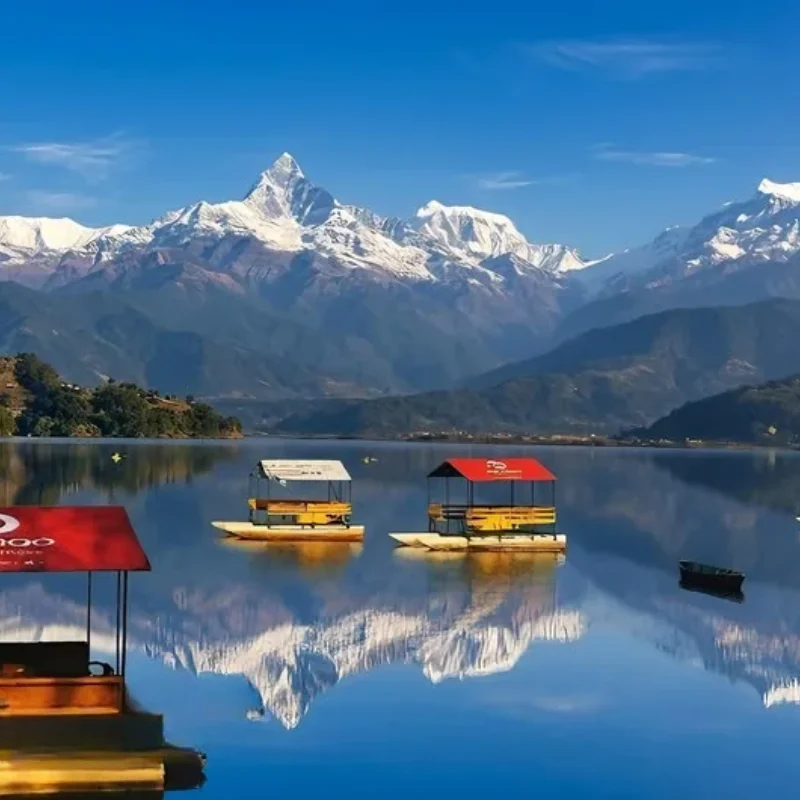
There are usually stops along the way for breakfast, lunch, and short breaks. During the journey, you can enjoy beautiful countryside scenery as well as views of the Trishuli and Marsyangdi Rivers. After arriving in Pokhara, you will be transferred to your hotel in the Lakeside area. You may arrange your own accommodation or request us to make the booking on your behalf.
Your trekking adventure begins with a scenic drive toward Ghandruk, accompanied by spectacular views of the Annapurna range. After passing through several villages, you will reach Ghandruk, where the trekking section begins.
From Ghandruk, walk for approximately 3–4 hours through beautiful rhododendron forests toward Tadapani. The trail gradually ascends through forests dominated by rhododendron and oak trees. Along the way, enjoy birdsong, small waterfalls, and magnificent mountain views, including Annapurna, Machhapuchhre (6,993 m), and Hiunchuli (6,441 m).
Upon reaching Tadapani, you can enjoy impressive sunset and sunrise views over the surrounding mountains. Overnight stay at a lodge in Tadapani.
Today, the trail climbs steadily through dense forests of rhododendron, pine, and oak before gradually reaching elevations above the tree line. As you ascend, the surrounding landscape opens up to provide spectacular views of the Annapurna range.
Continue through the rhododendron forest toward Meshar Danda and then Isharu. From there, the trail crosses open grasslands before reaching a small pass. After a short descent, continue climbing across a series of small hills until you finally arrive at Dobato.
Overnight stay at a lodge in Dobato.
Start the morning with an early 30-minute hike to Muldai Viewpoint. From here, enjoy an exceptional 360-degree panorama of the Himalayan ranges, including the Annapurna and Dhaulagiri massifs, along with Machhapuchhre (6,993 m).
After taking in the views, descend for a while through dense rhododendron forest before gradually climbing toward Bayeli Kharka. Continue descending through the forest and cross a wooden bridge before ascending toward open pastureland and eventually reaching Chistibung village.
The area is occasionally home to wildlife such as Himalayan tahr and the colorful Himalayan monal, although sightings are uncommon. Lunch will be served at Chistibung.
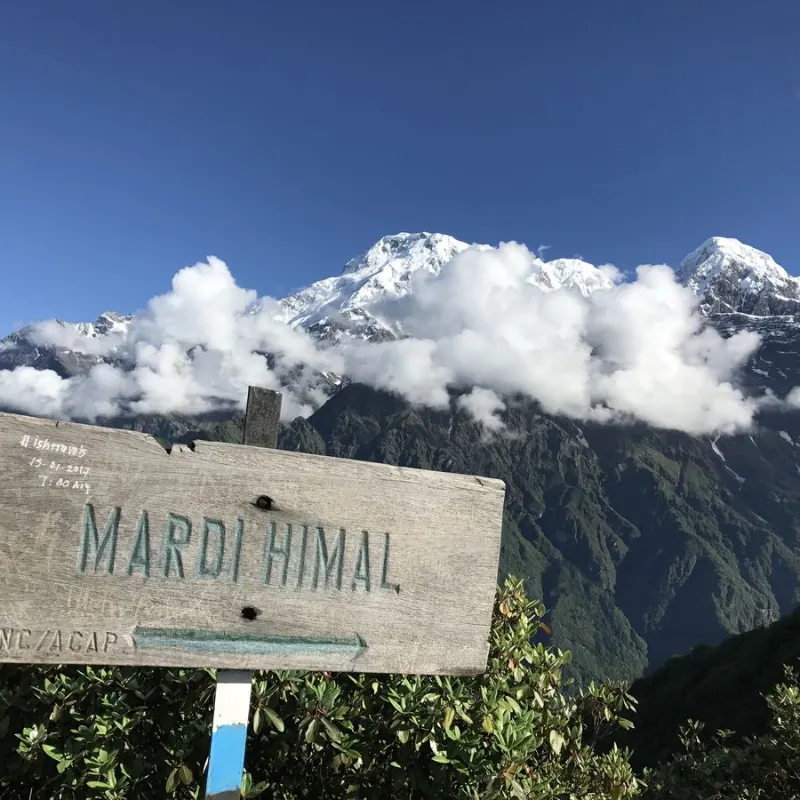
After lunch, continue toward Khopra Danda. The trail climbs steadily for most of the afternoon until you reach Khopra Ridge. From here, enjoy breathtaking views of the Annapurna and Dhaulagiri ranges, Nilgiri (7,061 m), Machhapuchhre (6,993 m), and numerous surrounding peaks. The sunrise and sunset views from Khopra Danda are particularly spectacular.
Overnight stay at a lodge in Khopra Danda.
Begin the day early, around 6:00 AM, and set out from Khopra Danda toward the sacred Khayer Lake. Along the route, you will be rewarded with magnificent views of Fang and the surrounding Himalayan peaks.
The trail passes through beautiful mountain landscapes, yak grazing areas, and flowing streams. Most of today's route consists of uphill sections. At Khayer Khola, you can stop for refreshments such as tea or coffee and have lunch before continuing toward the lake.
The final section includes a series of stone steps leading toward Khayer Lake. Located at approximately 4,500 meters, the lake is regarded as sacred by Hindus, who believe that bathing in its waters can help attain spiritual liberation or Nirvana. The area also contains several Hindu and Buddhist shrines, reflecting the close connection between the two religious traditions.
Today, you begin a long descent through the hills, retracing part of the trail toward Chistibung. After approximately one and a half hours, the path becomes steeper as it winds through dense forest toward the lower section of the valley.
Continue until reaching a small power station, then cross a wooden bridge and climb gradually through bamboo forest. The trail then follows a series of gentle ups and downs before arriving at Swanta village.
Swanta is a picturesque settlement inhabited by the Magar community, offering an opportunity to experience the traditional lifestyle and culture of the local people.
Overnight stay at a lodge in Swanta.
Begin the morning with an early hike to Poon Hill through the rhododendron forest to witness a spectacular Himalayan sunrise. From the viewpoint, enjoy panoramic views of snow-covered peaks including Mt. Dhaulagiri (8,167 m), Mt. Annapurna I (8,091 m), Annapurna South (7,219 m), Annapurna III (7,555 m), Machhapuchhre (6,993 m), and other surrounding mountains.
After enjoying the sunrise, return to Ghorepani and continue trekking through the forested trail toward Ulleri. Once you reach Ulleri, board a jeep for the scenic drive back to Pokhara.
Today, you will travel back to Kathmandu by a comfortable sofa tourist bus. The bus generally departs from Pokhara at around 7:30 AM.
Enjoy the changing landscapes, rivers, villages, and countryside scenery along the route. After approximately 8–9 hours of travel, you will arrive in Kathmandu in the evening.
Today marks the end of your Himalayan trekking adventure. Depending on your scheduled flight, our representative will assist with your transfer to the airport for your onward journey.
Take home unforgettable memories of the mountains, traditional villages, local culture, and spectacular landscapes experienced throughout your trek in Nepal.
Want to customize this itinerary?
Tailor duration, lodges, acclimatization days, or add private helicopter flights.
Inclusions & Exclusions
Everything that is covered and what you'll need to budget separately
What is Included
Fully covered in your package price
- Airport pickup and drop services on a private vehicle
- Transportation from Kathmandu to Lukla and back to Kathmandu (by flight)
- Food (Breakfast, Lunch, Dinner and a cup of coffee or tea) and accommodations during the trip in hotels and guesthouses with family environment
- One licensed English-speaking trekking guide (Chinese, Korean, Hindi speaking guides are also available)
- Transportation, food, accommodation and insurance of guide during the trip
- Down jacket, all-season sleeping bag, duffel bag (to be returned after completion of the trip)
- First Aid Medical Kit (Carried by the guide)
- All the required permits and paperworks
- Welcome or farewell dinner in Kathmandu at a cultural restaurant (complimentary)
- Mobile SIM Card (works nationwide) and a map of the trekking region
Optional Addons
- Porter extra charge
What is Excluded
Personal expenses & optional extras
- International airfare
- Visa charges
- Your travel and medical insurance
- Personal expenses such as shopping, bar bills, hot shower, telephone, laundry etc.
- Food and accommodation in Kathmandu (except mentioned)
- Other services that are not mentioned
- Tips for guides and porters
Our Customer Reviews
Authentic experiences and feedback from our travelers
Write a Review
Share your adventure experience with other travelers
Thank You!
Your review has been submitted and is awaiting approval.
Please Wait
You've submitted several reviews recently. Please wait a few minutes before trying again.
Astrid De Vries
Honestly, we booked it fairly last minute and it turned out better than expected. The morning we spent at Muldai Viewpoint was calm and unhurried, which was exactly what we needed. For me, Rhododendron and Pine Forests was the standout. The heat in the lower sections was more tiring than the altitude. The rooms were colder than we expected, but the blankets were warm enough. I would bring a cushion next time, but the bumpy parts were worth it. The guide gave us honest advice about what was worth doing and what was not. I did not realise how much I needed a break from routine until we were out there. The sounds of the place stay with me more than the photos, especially the bells and the birds. Exactly what we needed.
Julian Richter
We were not sure about spending so long in a vehicle, but the scenery kept it interesting. Descend was a good place to slow down after a few busy 10. Even the waiting around during A Short, Accessible High-Altitude Itinerary was enjoyable. The route had a good mix of well-known stops and quieter corners. The weather forced one change, and the alternative plan was still good. The children still talk about it, which says more than any review I could write.
Oscar Eklund
The jeep days covered a lot of ground and got us to places we would not have reached otherwise. Chistibung was a good place to slow down after a few busy 10. The guide made Poon Hill Grand Finale much more interesting with the background story. The team checked in regularly without being overbearing. Each day added another small story, and by the end they had built into something bigger than the sum of the parts. The ending felt less like a finish and more like an invitation to come back.
Hugo Peters
We came home buzzing and immediately started recommending this route to friends. The timing of Magar Village of Swanta worked out perfectly with the weather. The guide knew a lot about Khopra Ridge and told us the kind of details you do not find in guidebooks. We brought a small notebook and wrote something each evening, which I am glad we did. A trip to remember.
Gabriel Girard
The jeep days covered a lot of ground and got us to places we would not have reached otherwise. Khopra Danda Ridge Sunset was even better than the photos suggest. Seeing Ghandruk in person felt different from seeing it in photos. We had enough free time in the evenings to explore on our own. I found the rhythm of the days surprisingly restorative. We took a short walk on our rest day and found a viewpoint with no one else around. Dinner became the main event of the evening, and we were never left hungry. A trip to remember. Tip: Book the helicopter or flight option early if you are on a tight schedule.
Linnea Laurent
The jeep days covered a lot of ground and got us to places we would not have reached otherwise. I had seen Khayer Lake at 4,500 m / 14,763 ft on a documentary, and the real thing was better. The light at Khopra Danda was incredible, and I ended up staying longer than planned. The group got along well, which made the evenings much more fun. I liked that the food was local rather than international hotel fare. The trip reminded me that I do not need to fill every hour to feel like I have done something. I came home tired but clearer, which is the best kind of tired. Tip: Book the helicopter or flight option early if you are on a tight schedule.
Frequently Asked Questions
Essential information on preparation, route specifics, safety standards, and logistical details.