Jomsom Muktinath & Ghorepani Poon Hill Trekking — 10 Days | Nepal Lion Tours
A Scenic Journey Through Himalayan Villages, Forests, and Majestic Mountain Views
Jomsom Muktinath and Ghorepani Poon Hill Trekking
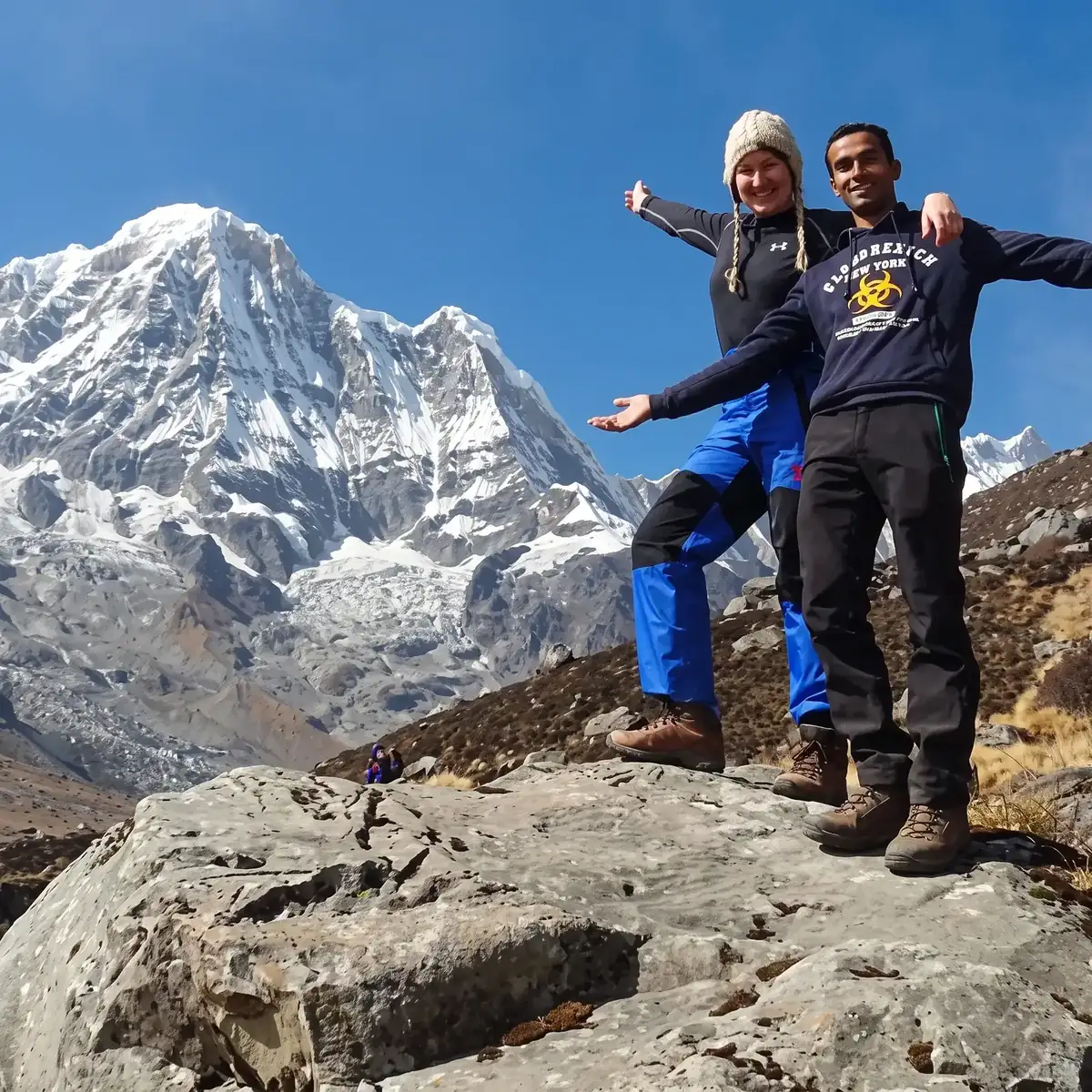
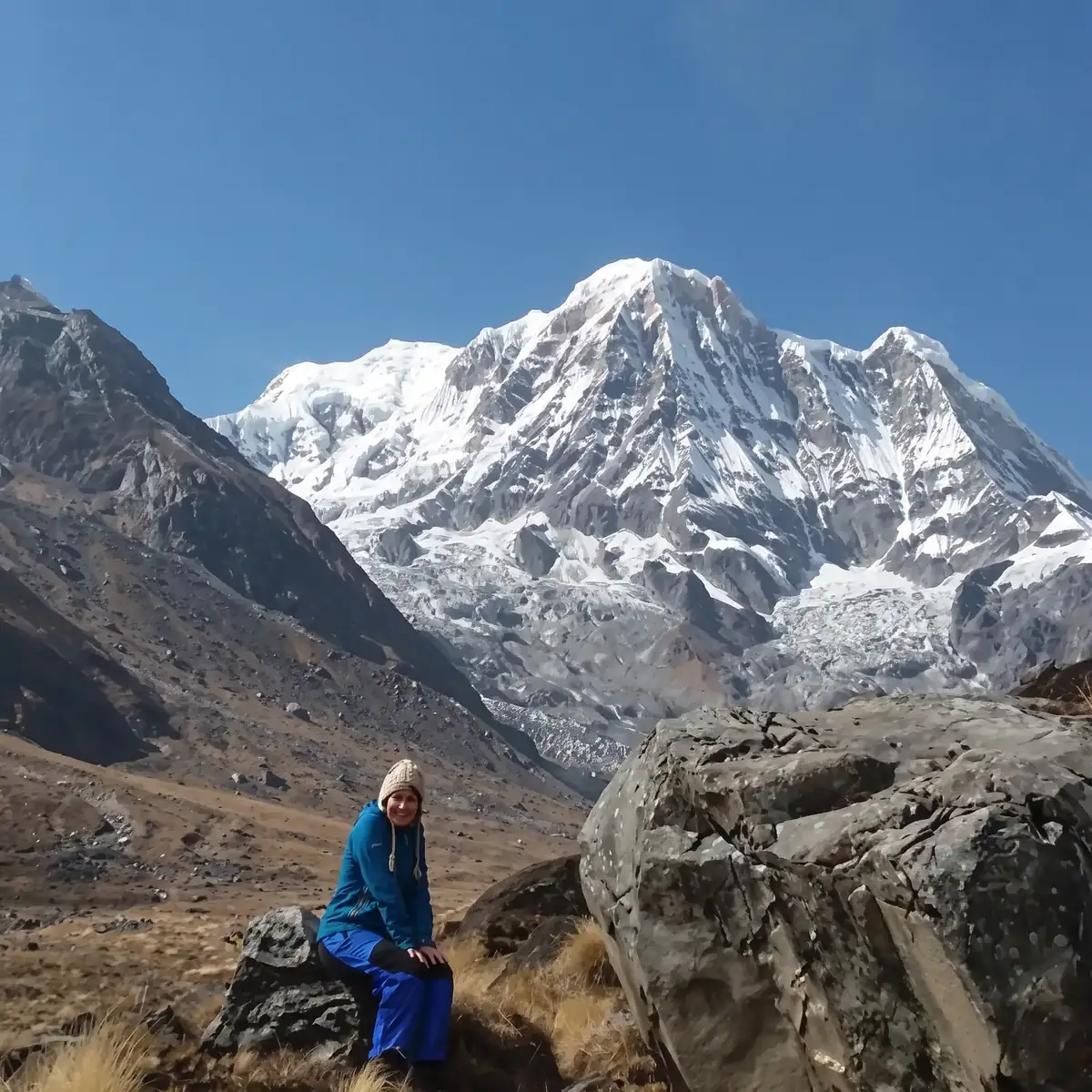

Tour Highlights
Ten days of Muktinath pilgrimage, the Kali Gandaki gorge, Thakali villages, apple orchards, natural hot springs and a Poon Hill sunrise make this one of the most varied trekking itineraries in the Annapurna region.
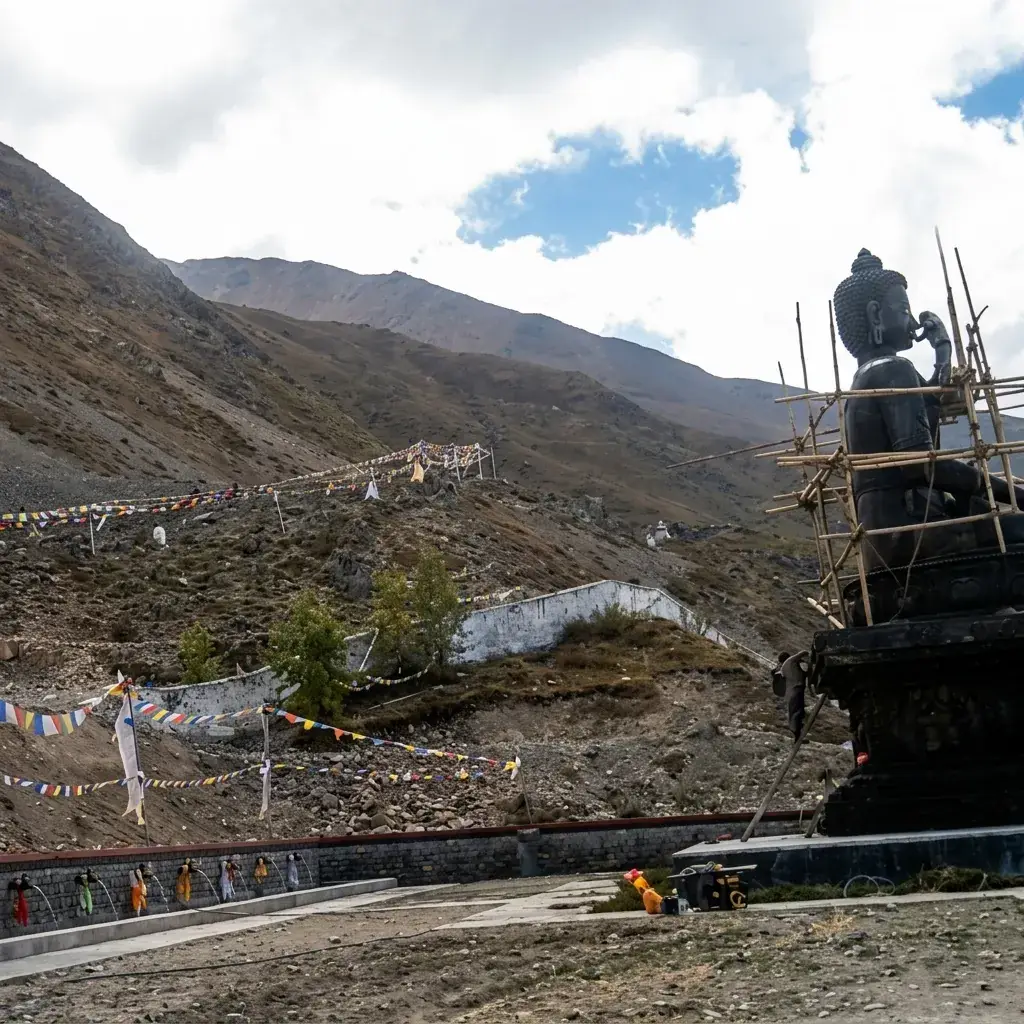
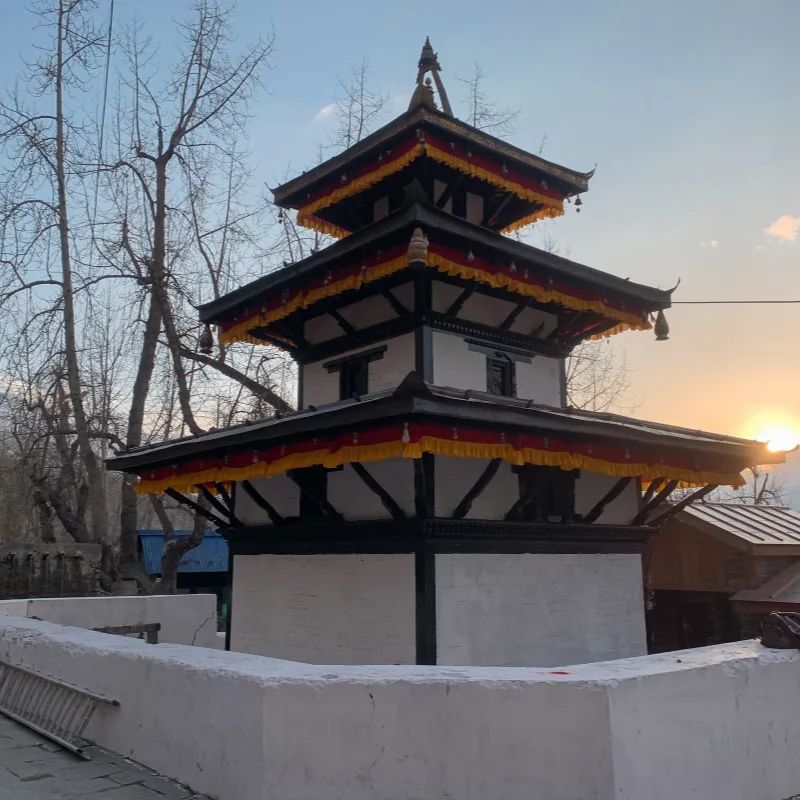
- Muktinath Temple — 3,800 m / 12,467 ft: Visit one of Nepal’s holiest sites — a temple complex with 108 water spouts and the Jwala Mai eternal flame, sacred to both Hindus and Buddhists.
- Poon Hill Sunrise — 3,210 m / 10,531 ft: Climb before dawn to watch first light spread over Dhaulagiri, Annapurna I, Machhapuchhre, Nilgiri and Hiunchuli.
- Kali Gandaki Gorge: Trek the valley widely regarded as one of the deepest gorges in the world, walked by salt traders between India and Tibet for centuries.
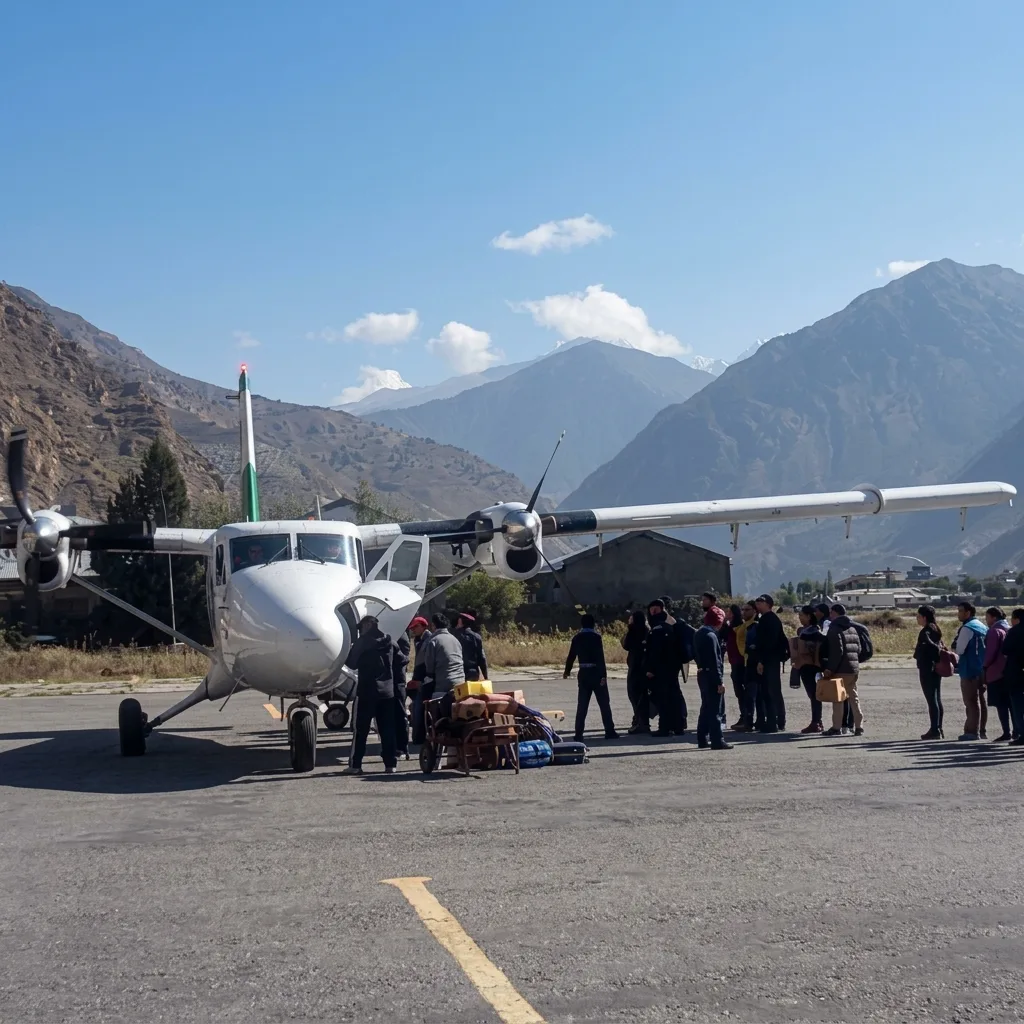
- Mountain Flight to Jomsom — ~2,720 m / 8,924 ft: Take a 20-minute flight from Pokhara along the gorge, with Dhaulagiri and Annapurna at wing level.
- Kagbeni — 2,804 m / 9,200 ft: Explore the gateway to Upper Mustang, a Bön-influenced Buddhist village with orchards fed by the Thorung Khola.
- Marpha — 2,680 m / 8,793 ft: Wander the immaculate white-walled apple village of Lower Mustang, famous for its orchards and apple brandy.
- Tatopani Hot Springs — 1,190 m / 3,904 ft: Soak in the natural thermal pools that give this town its name — “tato” (hot) + “pani” (water).
- Poon Hill + Muktinath in One Trek: Combine a sacred Himalayan pilgrimage with a world-famous sunrise in a single 10-day itinerary.
- Scenic & Culturally Rich Trek: With hotels in Kathmandu and Pokhara, teahouse support on trail, and a maximum of 3,800 m, this trek pairs high value with high-altitude drama.
Jomsom Muktinath and Ghorepani Poon Hill Trek Overview
The Jomsom Muktinath and Ghorepani Poon Hill Trek is a 10-day trek in Nepal’s Annapurna region that combines the arid, Tibetan-influenced landscapes of Lower Mustang with the forested foothills of the classic Ghorepani Poon Hill route. Reaching a maximum altitude of 3,800 metres (12,467 feet) at Muktinath, the trek is graded moderate and suits reasonably fit trekkers, including well-prepared first-timers.
Starting and ending in Kathmandu, the journey begins with a scenic road transfer to Pokhara, then a short mountain flight into Jomsom along the Kali Gandaki Valley — one of the deepest gorges on earth, flanked by Dhaulagiri and Annapurna. From Jomsom the trail climbs through Kagbeni and Jharkot to Muktinath, a sacred pilgrimage site for Hindus and Buddhists, before looping south through the apple-orchard villages of Marpha and Kalopani, the hot springs at Tatopani, and the high viewpoint of Poon Hill.
With Nepal Lion Tours, the package starts from USD 1,100 per person, including a licensed English-speaking guide, teahouse and hotel accommodation, meals during the trek, required permits, the Pokhara–Jomsom flight and private ground transfers.
What Makes the Jomsom Muktinath and Poon Hill Trek Special?
The trek crosses two completely different worlds in a single itinerary. On the Mustang side, you walk through a dry, high-altitude landscape of barley terraces, apple orchards, Tibetan-style villages and prayer flags — the historic trans-Himalayan salt-trade route between India and Tibet. Final destination here is Muktinath at 3,800 m, where the temple complex’s 108 water spouts and the Jwala Mai eternal flame make it one of Nepal’s holiest pilgrimage sites for both Hindus and Buddhists.
The Poon Hill side of the trek is equally iconic. From the hilltop at 3,210 m, a pre-dawn climb rewards you with one of the classic panoramic sunrises of the Annapurna region — Dhaulagiri, Annapurna I, Machhapuchhre (Fishtail), Nilgiri and Hiunchuli lit across the horizon while the Gandaki valley still sleeps below.
Between the two worlds lie some of the finest days of Himalayan trekking: the Kali Gandaki riverbed under winds of 16:00 pm, the suspended villages of Thakali country, and warm soaking pools at Tatopani. This combination of pilgrimage, gorge, orchards, hot springs and a famous sunrise gives the trek its distinctive character.
Why Choose the Jomsom Muktinath and Poon Hill Trek?
If you want cultural and religious heritage alongside mountain scenery, this route delivers more context per kilometre than most Annapurna treks. You see Hindu and Buddhist pilgrimage sites, ancient Bön-influenced villages, Thakali culture, apple growing, and a world-famous sunrise viewpoint without committing to a long high-altitude expedition.
The route is also practical. It uses a short mountain flight between Pokhara and Jomsom, stays in teahouses and hotels throughout, tops out at 3,800 m and includes the Poon Hill ascent at 3,210 m. That balance of altitude, culture, logistics and scenery is what makes the Jomsom Muktinath and Ghorepani Poon Hill Trekking package an appealing 10-day Annapurna adventure.
Who Is This 10-Day Jomsom Muktinath & Poon Hill Trek Suitable For?
The 10-day Jomsom Muktinath & Poon Hill trek is a good choice for:
- Trekkers who want to combine a Himalayan pilgrimage site (Muktinath) with a famous sunrise viewpoint (Poon Hill)
- Culture-focused travellers interested in the trans-Himalayan salt route, Tibetan-style villages and Thakali settlements
- Reasonably fit first-timers who are comfortable walking 4–7 hours a day on uneven mountain trail
- Couples and honeymooners wanting varied scenery plus the lakeside atmosphere of Pokhara
- Families with older children or teenagers who are used to active holiday days
- Trekkers who enjoyed shorter routes like Ghorepani Poon Hill and want to add a different, higher-altitude region
- Travellers who prefer a flight-in route that avoids days of road-only approach
No previous trekking experience is required. However, you should be comfortable with sustained ascents such as the Ulleri stone staircase and the climb from Kagbeni to Muktinath, and prepared for altitude to about 3,800 m.
Guide’s Note — Nepal Lion Tours “From our experience operating Jomsom–Muktinath–Poon Hill departures, the flight into Jomsom is the part that surprises most trekkers — in twenty minutes you move from the lake city of Pokhara to the wind channel of the Kali Gandaki, with Dhaulagiri on one side and Annapurna on the other. It is also the most weather-dependent leg of the trip, so we build flexibility into Day 2.” — Nepal Lion Tours Lead Guide
Quick Facts
Trek Fact | Details |
|---|---|
Trek Name | Jomsom Muktinath and Ghorepani Poon Hill Trekking |
Duration | 10 days / 9 nights |
Region | Annapurna (Lower Mustang / Kali Gandaki), Gandaki, Nepal |
Maximum Altitude | 3,800 m / 12,467 ft at Muktinath |
Difficulty | Moderate |
Main Highlight | Muktinath Temple & the Poon Hill sunrise |
Deepest Gorge | Kali Gandaki gorge — flanked by Dhaulagiri (8,167 m) and Annapurna I (8,091 m) |
Start / End | Kathmandu to Kathmandu (via Pokhara) |
Route | Pokhara – Jomsom – Kagbeni – Jharkot – Muktinath – Marpha – Kalopani – Tatopani – Ghorepani – Poon Hill – Tikhedhunga – Nayapul |
Typical Walking | 4–7 hours per day |
Best Season | September–November and March–May |
Price From | USD 1,100 per person |
Accommodation | Hotels in Kathmandu, Pokhara, Jomsom & Kagbeni; teahouse lodges on the trail |
Guide | Licensed English-speaking trekking guide |
Jomsom Muktinath and Poon Hill Trek Route and Elevation
The Jomsom Muktinath and Ghorepani Poon Hill route climbs from the lakeside city of Pokhara by air into Jomsom, then treks north into Lower Mustang to Muktinath at 3,800 m (12,467 ft) before looping south through the Kali Gandaki Valley, Tatopani and the rhododendron forests to Poon Hill (3,210 m) and on to Nayapul.
The journey enters the trans-Himalayan zone on Day 2 and returns to subtropical forest by Day 6, making this one of the most climatically varied treks in Nepal: dry and wind-blasted at Jomsom, orchard-lined at Marpha, river-cut at Kalopani, thermal at Tatopani, and lushly forested at Ghorepani.
Jomsom Muktinath & Poon Hill Trek Route at a Glance
Day | Trek Route | Altitude | Highlights |
|---|---|---|---|
Day 01 | Kathmandu → Pokhara | 823 m / 2,700 ft | Prithvi Highway; hotel beside Phewa Lake |
Day 02 | Fly to Jomsom; trek to Kagbeni | 2,804 m / 9,200 ft | Mountain flight; Kali Gandaki gorge; Bön village |
Day 03 | Kagbeni → Jharkot → Muktinath | 3,800 m / 12,467 ft | Tibetan villages; 108 spouts; eternal flame |
Day 04 | Muktinath → Jomsom (drive) → Marpha | 2,680 m / 8,793 ft | Pilgrimage morning; apple village of Marpha |
Day 05 | Marpha → Chokhopani → Kalopani | ~2,550 m / 8,366 ft | Thakali settlements; Dhaulagiri & Nilgiri views |
Day 06 | Kalopani → Ghasa → Tatopani | 1,190 m / 3,904 ft | Rupse Waterfall; natural hot springs |
Day 07 | Tatopani → Ghorepani | 2,874 m / 9,429 ft | Forest climb via Ghara, Shikha, Chitre |
Day 08 | Ghorepani → Poon Hill → Tikhedhunga | 3,210 m / 10,531 ft | Pre-dawn sunrise; Ulleri stone staircase |
Day 09 | Tikhedhunga → Nayapul → Pokhara | 1,070 m / 3,510 ft | Modi River valley; drive back to Pokhara |
Day 10 | Pokhara → Kathmandu | 1,400 m / 4,593 ft | Tourist bus or optional flight |
Jomsom Muktinath & Poon Hill Trek Elevation Profile
The elevation profile has two distinct high points. From 823 m in Pokhara you fly to about 2,720 m at Jomsom, climb through 2,804 m at Kagbeni to the maximum at 3,800 m (12,467 ft) at Muktinath, then descend steadily into the valley — dipping to 1,190 m at Tatopani — before climbing again through rhododendron forest to 2,874 m at Ghorepani and 3,210 m at Poon Hill.
Physically, that means the hardest ascents are the Kagbeni-to-Muktinath climb and the Tatopani-to-Ghorepani forest ascent, while the Ulleri descent tests your knees. The long valley days between Marpha and Tatopani are gentler walking with big mountain scenery.
A trekking map and elevation profile can be provided with your trekking materials so you can follow the main trail, overnight stops and elevation changes throughout the journey.
How to Get to the Jomsom Muktinath and Poon Hill Trek
Jomsom Muktinath and Ghorepani Poon Hill Trekking begins with a journey from Kathmandu to Pokhara, followed by a short mountain flight to Jomsom. This is one of the few standard itineraries in the Annapurna region that uses an internal flight as a core part of the route, so the approach is quick — and weather-dependent, which the itinerary schedule allows for.
If you are arriving in Nepal on an international flight, allow buffer time before the trek begins. Kathmandu–Pokhara road travel and the Jomsom flight can both be affected by traffic, weather and road conditions.
Kathmandu to Pokhara: Flight or Road?
You have several options for reaching Pokhara before the flight to Jomsom:
Option | Approx. Travel Time | Best For |
|---|---|---|
Domestic flight | 25–30 minutes | Travellers short on time |
Tourist bus | 6–7 hours* | Budget-conscious travellers |
Private vehicle | Around 5–7+ hours* | Flexible or private travel |
*Road travel times are approximate and can vary with traffic, road construction, weather and road conditions.
A Kathmandu to Pokhara flight is the fastest option and convenient when you want to maximise your time in the Annapurna region. However, domestic flights can sometimes be affected by weather or operational delays.
The road journey takes longer but allows you to travel overland at a more relaxed pace, with views of Manaslu, Dhaulagiri and Machhapuchhre along the way. If your flight or bus arrives later than expected, your trekking operator can coordinate the Pokhara transfer and itinerary where possible.
Pokhara to Jomsom: The Mountain Flight
The next stage is the Pokhara–Jomsom mountain flight, usually operated in the early morning on a small aircraft suited to the gorge. The flight takes about 20 minutes and follows the Kali Gandaki Valley between Dhaulagiri and Annapurna — widely cited as one of the deepest gorges in the world — passing directly between peaks above 8,000 metres on both sides.
This is a scheduled mountain flight and is weather-dependent, particularly in winter and monsoon. If the early flight is delayed or cancelled, your trekking team coordinates the schedule and itinerary adjustments accordingly. The flight is included in the standard inclusions where stated, and trekkers meet their guide and porters on arrival at Jomsom.
For a Jomsom Muktinath and Poon Hill Trekking package, the flight is what makes the loop practical: instead of days of road travel, you reach the start of the high trail in under half an hour.
Guide’s Note — Nepal Lion Tours “From our experience the Jomsom connection is the one leg to build a little patience around. Mornings are usually flyable, but an afternoon of valley wind can change plans fast — the famous Kali Gandaki drafts pick up after 11 am. We book the earliest slots and keep the Day 2 schedule fluid so a delay rarely costs a trekking day.” — Nepal Lion Tours Lead Guide
Returning to Pokhara from Nayapul
After the final trekking day, you walk from Tikhedhunga through Nayapul and drive by private vehicle or tourist bus around two hours back to Pokhara. From there you return to Kathmandu on Day 10 by tourist bus (approx 8 hours) or the optional domestic flight (25–30 minutes), depending on your schedule and preference.
A Practical Tip for International Travellers
If you are connecting this trek with an international flight, avoid scheduling your Pokhara–Kathmandu journey too tightly before departure. Road delays and the Jomsom mountain flight can both affect timing, particularly in winter and monsoon.
A safer approach is to spend your final night in Kathmandu and leave a full day of buffer before your international flight, since the itinerary already includes the Pokhara–Kathmandu return on Day 10.
With the Kathmandu–Pokhara journey planned and the Pokhara–Jomsom flight and private transfers arranged in advance, getting to and from the Jomsom Muktinath and Poon Hill Trek is straightforward and leaves you free to focus on the trail.
Jomsom Muktinath & Poon Hill Trek Difficulty, Fitness & Altitude
The Jomsom Muktinath and Ghorepani Poon Hill Trek is graded moderate, but moderate does not mean flat. The route includes a sustained climb to 3,800 m at Muktinath, a second long forest ascent to Ghorepani and Poon Hill, and the famous Ulleri stone staircase on the descent. Nothing is technical — no ropes, no climbing — but there are hard uphill hours and altitude to plan for.
Typical trekking days involve around 4–7 hours of walking. The route stays within villages and teahouses throughout, and hotels in Kathmandu, Pokhara, Jomsom and Kagbeni bookend the trail portion.
Where the Effort Actually Is?
The effort of the Jomsom–Muktinath–Poon Hill trek concentrates in three sections.
The first is the Kagbeni-to-Muktinath climb of Day 3. From 2,804 m you gain roughly 1,000 m of altitude over the day through Jharkot, in increasingly thin, dry air. The trail is steady rather than technical, but the altitude and exposure make it the most demanding half-day of the first week.
The second is the Tatopani-to-Ghorepani ascent of Day 7, a long climb through rhododendron and oak forest — via Ghara, Shikha and Chitre — gaining about 1,700 m from the hot springs to Ghorepani.
The third is the Ulleri staircase, the steep stone-paved descent of Day 8 that is punishing on knees. Beyond these, the long valley walking days through Marpha, Kalopani and Tatopani are comparatively straightforward.
Guide’s Note — Nepal Lion Tours “From our experience operating Jomsom–Muktinath–Poon Hill departures, the trek is moderate overall but the day-to-day effort varies a lot. The Kagbeni–Muktinath climb and the Tatopani–Ghorepani forest ascent are the two long breathing days, and the Ulleri stairs are hard on the knees going down. We set a steady pace on all three, and trekkers who have done regular hills find them very manageable.” — Nepal Lion Tours Lead Guide
How to Prepare for the Jomsom Muktinath & Poon Hill Trek
You do not need an intensive training programme or advanced trekking experience. The most useful preparation is to build comfortable walking endurance, strengthen your legs for sustained uphill and downhill walking, and get used to regular days on your feet.
- Walk regularly before the trek: Aim for 3–4 walking sessions per week and gradually increase the duration. Being comfortable on your feet for several hours matters more than walking fast.
- Practise hills and stairs: Include uphill and downhill walking, stairs, or an inclined treadmill. This is directly useful for the Ulleri stone staircase and the forest climbs around Ghorepani.
- Build leg strength: Squats, lunges, step-ups and calf raises prepare your legs for repeated ascents and descents across nine walking days.
- Do a couple of longer walks before departure: Several hikes of 3–4 hours help you know how your body responds to longer activity.
- Prepare for altitude to about 3,800 m: The Muktinath climb is high enough that a relaxed pace, good hydration and attention to how you feel matter.
- Avoid last-minute overtraining: In the final days, focus on rest, good sleep and recovery rather than trying to build fitness suddenly.
How Difficult Is This Trek Compared with Longer Treks?
The Jomsom Muktinath and Poon Hill Trek reaches a higher point (3,800 m) than a classic Ghorepani Poon Hill trek (3,210 m), but considerably lower than routes such as the Annapurna Circuit (5,416 m at Thorong La) or the Annapurna Base Camp route (4,130 m).
That makes it a step-up from a simple Poon Hill trek without the longer commitment or pass-crossing of the Circuit. The trade-off is a fast altitude gain on the Mustang side — flying into Jomsom at around 2,720 m means you climb quickly, so standard altitude precautions apply.
With regular walking and appropriate preparation, many reasonably fit trekkers comfortably enjoy the full loop while maintaining a steady pace.
Altitude, Acclimatization & Safety
The Jomsom Muktinath and Poon Hill Trek reaches a maximum altitude of 3,800 metres (12,467 feet) at Muktinath on Day 3 — a fast gain from the Jomsom flight at about 2,720 m. At this elevation, trekkers should take altitude seriously, including mild acute mountain sickness (AMS) symptoms such as headache and fatigue.
Jomsom Muktinath & Poon Hill Trek Altitude Profile
- Kathmandu — 1,400 m / 4,593 ft: Arrival city and starting base.
- Pokhara — 823 m / 2,700 ft: Lakeside base before the mountain flight.
- Jomsom — ~2,720 m / 8,924 ft: Flight landing point in the Kali Gandaki Valley.
- Kagbeni — 2,804 m / 9,200 ft: First trekking overnight, gateway to Upper Mustang.
- Jharkot — ~3,650 m / 11,975 ft: Tibetan-style village passed on the climb to Muktinath.
- Muktinath — 3,800 m / 12,467 ft: Highest point of the trek; temple complex of 108 water spouts.
- Marpha — 2,680 m / 8,793 ft: Apple-growing village of Lower Mustang.
- Kalopani — ~2,550 m / 8,366 ft: Thakali village in the Kali Gandaki Valley.
- Tatopani — 1,190 m / 3,904 ft: Low point of the loop and home of the natural hot springs.
- Ghorepani — 2,874 m / 9,429 ft: High overnight before the Poon Hill sunrise.
- Poon Hill — 3,210 m / 10,531 ft: Second high point; the famous sunrise viewpoint.
- Tikhedhunga — 1,480 m / 4,856 ft: Overnight below the Ulleri staircase near the end of the trek.
How the Body Adapts to Altitude
As you gain altitude, atmospheric pressure decreases and less oxygen is available with each breath. Your body responds by increasing breathing and circulation, while longer-term acclimatization involves physiological changes that take days.
For trekkers the practical approach is simple: ascend gradually where the route allows, walk at a comfortable pace, eat and drink regularly, rest well and tell your guide if you feel unwell. On this itinerary the fastest altitude gain is on the flight day, so it is wise to be conservative on the afternoon walk to Kagbeni if you feel the elevation.
Symptoms of Altitude Sickness to Watch For
Mild AMS symptoms can include:
- Headache
- Nausea or reduced appetite
- Fatigue or unusual tiredness
- Dizziness
- Difficulty sleeping
Tell your trekking guide promptly if these symptoms appear or become worse. More concerning symptoms can include:
- Severe or persistent headache
- Repeated vomiting
- Confusion or unusual behaviour
- Difficulty walking or poor coordination
- Shortness of breath while resting
If significant altitude-related symptoms develop, the priority is to stop ascending and seek appropriate medical advice. Descending to a lower altitude is an important response when serious altitude illness is suspected.
How Nepal Lion Tours Supports Altitude Safety
- Route awareness: The itinerary’s high points — Muktinath at 3,800 m and Poon Hill at 3,210 m — are both visited by day; nights are at Kagbeni, Marpha and Ghorepani.
- Experienced trekking guidance: Your guide monitors how you are feeling and can advise when to slow down, rest or seek further assistance.
- Early communication: Trekkers are encouraged to report headaches, nausea, dizziness, unusual fatigue or other concerning symptoms rather than pushing through.
- Descent after high points: After the Muktinath visit the route descends to Marpha, easing altitude pressure before the second, lower climb to Poon Hill.
- Health and safety: Your guide carries a first-aid kit and can help you respond if you become unwell. Trekkers should carry travel insurance that covers medical treatment and, where appropriate, emergency evacuation.
Best Time to Trek Jomsom, Muktinath & Poon Hill
The best time for the Jomsom Muktinath and Ghorepani Poon Hill Trek is generally autumn (September–November) and spring (March–May). Autumn usually offers the clearest mountain visibility and the most reliable flying weather for the Jomsom connection, while spring brings comfortable temperatures and blooming rhododendrons around Ghorepani. The trek is possible through the year, but winter can ground Jomsom flights and the monsoon brings wet trails and clouded views.
Season | Months | Weather & Trail Conditions | Overall |
|---|---|---|---|
Autumn | September–November | Dry, mild and stable; best flying weather | Best overall |
Spring | March–May | Mild and generally sunny; rhododendrons in bloom | Highly recommended |
Winter | December–February | Cold; snow possible at Muktinath; flights less reliable | Good with preparation |
Monsoon | June–August | Wet, muddy and clouded in the lowlands; leeches | Least suitable |
Autumn — September to November
Autumn is the best overall season, particularly October and November. Post-monsoon skies bring clear views of Dhaulagiri and the Annapurna range, dry trails and the most reliable window for the Pokhara–Jomsom mountain flight, making it ideal for the Poon Hill sunrise and the Muktinath climb.
Spring — March to May
Spring is another excellent window, especially March and April. Days are warm, the light is good, and rhododendrons colour the forests between Tatopani and Ghorepani. Mountain views are often best in the morning before clouds build. The early season still brings cold nights at Muktinath and Ghorepani.
Winter — December to February
Winter brings clearer cold days and quieter trails. The Mustang side can be dusted with snow and the Jomsom flight is less reliable, so winter suits prepared trekkers who can handle cold nights at altitude and possible schedule flexibility.
Monsoon — June to August
Monsoon is the least reliable season. The lowland sections become wet and slippery, leeches appear in the forests, clouds reduce mountain views, and Jomsom flights can be delayed. The landscape is exceptionally green, but trekkers should expect flexible logistics.
Which Season Should You Choose?
Choose autumn if clear views, the Poon Hill sunrise and a reliable Jomsom flight are your priorities. Choose spring for rhododendron blooms and pleasant trail conditions. Winter suits trekkers prepared for cold and possible flight delays, while monsoon is best left to travellers comfortable with rain and cloud.
Weather in the Himalayas can change quickly, so conditions are never guaranteed regardless of the season. Checking the forecast shortly before departure is recommended.
Guide’s Note — Nepal Lion Tours “On clear October and November mornings, the Poon Hill sunrise and the view from the Kali Gandaki at Jomsom are typically at their sharpest. If your dates are flexible, we usually advise booking the flight-heavy parts of the trip for the first half of autumn.” — Nepal Lion Tours Lead Guide
Jomsom Muktinath & Poon Hill Trek Permits & Regulations
A little permit planning matters on this route because the Jomsom Muktinath and Ghorepani Poon Hill Trek passes through the Annapurna Conservation Area (ACAP), which covers the Kali Gandaki valley, Lower Mustang around Kagbeni, Muktinath, Tatopani and the Ghorepani forest section. Nepal Lion Tours arranges the required permits and paperwork as part of your trek package where stated.
Jomsom Muktinath & Poon Hill Trek Permits at a Glance
Requirement | Who Needs It? | Who Arranges It? |
|---|---|---|
ACAP (Annapurna Conservation Area Permit) | All trekkers entering the ACAP zone | Nepal Lion Tours as part of permitted services |
TIMS card (Trekkers’ Information Management System) | All independent and guided trekkers | Nepal Lion Tours registration support |
Annapurna Conservation Area Permit (ACAP)
The Annapurna Conservation Area Permit is the entry permit for the protected Annapurna region, which this 10-day route crosses in full. The permit is issued in exchange for a fee and passport information, and is normally checked in Pokhara or at entry points into the conservation area. Your passport details should be accurate on the document, so keep your passport handy while trekking.
Nepal Lion Tours arranges the ACAP as part of the package’s permit handling, so you don’t need to queue at the national park desk before the trek.
TIMS Card for the Jomsom Muktinath & Poon Hill Trek
The Trekkers’ Information Management System (TIMS) card is a travellers’ registration system used across Nepal’s trekking routes, including the Annapurna region. It records your route, guide and emergency details for safety and trail management. Your Nepal Lion Tours guide carries the necessary paperwork and registers your trek, so the card is handled within the trip logistics.
Fees and issuance are subject to current regulations, so confirm the exact amount at booking time. The card, once provided, is carried with your passport during the trek.
Do You Need a Restricted-Area Permit?
No — a restricted-area permit is not required for the standard Jomsom Muktinath and Ghorepani Poon Hill route. The trek stays within the Annapurna Conservation Area across Kagbeni, Muktinath, Marpha, Kalopani and Tatopani, and does not enter the separate restricted zone of Upper Mustang further north. Should you choose a modified itinerary that extends deeper into restricted territory, the additional paperwork would be discussed at booking. Permits and regional rules can change, so rely on confirmed guidance rather than assumptions.
Who Arranges the Permits?
Nepal Lion Tours arranges the permits and paperwork as part of your trek. Where permits are included, your guide registers your trek in Pokhara or Kathmandu before the mountain portion begins, and carries the documents for on-trail checks. Carrying your passport with you is required for registration and lodge checks.
Food & Accommodation on the Jomsom Muktinath & Poon Hill Trek
The Jomsom Muktinath and Ghorepani Poon Hill Trek uses a well-established teahouse and lodge network across the Kali Gandaki valley and the Poon Hill forest section, supplemented by hotels in Kathmandu, Pokhara, Jomsom and Kagbeni. Expect straightforward mountain accommodation, hot meals and reliable support along the route — coordinated by your Nepal Lion Tours guide.
Teahouse Accommodation on the Jomsom Muktinath & Poon Hill Trek
Teahouses are locally operated lodges serving the trek trail, and they provide the overnight base through most of this itinerary:
- Rooms: Twin-sharing bedrooms with beds, pillows and blankets; privacy is basic but sufficient.
- Shared or private bathrooms: Most lodges offer shared toilets; some have attached private bathrooms.
- Hot showers: Available at many lodges for a small fee, especially around Tatopani, Ghorepani and the larger villages.
- Electricity & charging: Solar and grid power at most lodges, with limited sockets — bring a power bank.
- Heated dining rooms: The communal dining room is the warm heart of each lodge, especially after dusk.
- Wi-Fi: Available at some lodges and in town hotels, though connectivity varies along the valley.
- Bedding: Sheets, blankets and pillows are standard; a warm sleeping bag (on loan with the package) adds comfort at Ghorepani.
Bigger stops like Jomsom, Marpha, Tatopani and Ghorepani offer more comfortable lodges, while simpler village lodges break the middle trek days.
What Food Is Available on the Jomsom Muktinath & Poon Hill Trek?
The route offers a familiar range of mountain menus, with variety across the valley and the forest section:
- Dal bhat — the classic Nepali lentil, rice and vegetable meal, filling and snow-season staple
- Fried rice and noodles — quick, hot and reliable lunches
- Thukpa — Tibetan noodle soup, popular in the Mustang-side villages
- Momo dumplings — steamed or fried Tibetan dumplings with vegetables or chicken
- Soups — tomato, garlic, vegetable and noodle soups for cooler evenings
- Pasta and pizza — Western options popular at Ghorepani teahouses
- Potato dishes — boiled, fried or roasted, a staple of the mountain kitchen
- Eggs — omelets, fried or boiled, easy and protein-rich
- Porridge and pancakes — popular breakfast choices
- Toast, chapati and tea — simple breakfasts to set up long walking days
Dal bhat is the trekker favourite, while vegetarian and simple vegan options are widely available. Tell Nepal Lion Tours about any dietary needs before departure so lodges along the route can prepare accordingly.
What Food and Accommodation Are Included?
Included in the Trek Package | Usually Paid Separately |
|---|---|
Hotel nights in Kathmandu, Pokhara, Jomsom and Kagbeni as per itinerary | Hot showers at some lodges |
Teahouse nights on the trail | Soft drinks, alcohol and extra snacks |
Meals (breakfast, lunch, dinner) during the trek | Bottled water where metered |
Tea and coffee with meals | Laundry and personal items |
Trekking permits and paperwork | Tipping for guides and porters |
Licensed guide, porters and private transfers | Additional nights in Kathmandu or Pokhara |
Confirm the exact meal and accommodation schedule at booking — the inclusions list above is the practical standard, and Nepal Lion Tours will confirm your specific itinerary.
Drinking Water on the Trek
Don’t assume tap water along the trail is safe to drink. The reliable options are boiled water from lodges, purified water (tablets, filters or Steripen), or bottled water where available. Carrying a reusable bottle and topping up at lodges keeps you hydrated with less plastic. Drink regularly through the day — altitude and long walking both dehydrate you faster than you notice.
Staying Comfortable at Teahouses
- Carry a refillable water bottle and purification tablets or a filter.
- Pack a warm layer for evenings and the Poon Hill pre-dawn start.
- Bring a small power bank; sockets are limited.
- Keep a little cash in NPR for hot showers, extra drinks and top-ups.
- Plan for sun and cold — the valley has big temperature swings.
- Confirm any dietary requirements with Nepal Lion Tours ahead of the trek.
Why Book the Jomsom Muktinath & Poon Hill Trek with Nepal Lion Tours?
Every Jomsom Muktinath and Ghorepani Poon Hill Trekking departure benefits from Nepal Lion Tours’ combination of local knowledge, licensed guides and flexible logistics across the Annapurna region.
- Local, licensed English-speaking guides who know the Kali Gandaki valley, Lower Mustang and the Poon Hill forests year-round.
Nepal Lion Tours’ guides bring on-ground familiarity with the region’s flights, winds and teahouse rhythms, so you trek with experience rather than guesswork.
- A registered and verifiable Nepali trekking company you can check before booking.
Transparency matters on an internal-flight route — Nepal Lion Tours is a registered operator with straightforward documentation.
- Private departures from just one trekker, with group-size pricing tiers.
Travelling solo or as a pair? Nepal Lion Tours runs private departures from one person up, with pricing that improves as your group grows.
- Internal mountain flight included — the Pokhara–Jomsom flight that makes the loop efficient.
The 20-minute flight up the Kali Gandaki is a highlight in itself, and a core part of included logistics on most packages.
- Private transfers and smooth road connections between Kathmandu, Pokhara and the trailheads.
Road, flight and trail connections are coordinated by one team, reducing planning effort and easing the transition into the mountains.
- Budget-friendly pricing without cutting core experiences — starting from USD 1,100.
From USD 1,100 for a single trekker, the package keeps the essential services — guide, permits, transfers, hotels and trail meals — intact.
- A local team you can contact before and during your trek.
Nepal Lion Tours is reachable on WhatsApp (+977-9851039020) and email throughout your journey, so help is a message away.
Book the Jomsom Muktinath & Poon Hill Trek with Nepal Lion Tours
Ready to fly the Kali Gandaki, honour the spouts of Muktinath and catch the Poon Hill sunrise? Secure your dates with Nepal Lion Tours and let the local team handle permits, hotels, transfers and the internal flight.
Trek at a Glance
- Duration: 10 days / 9 nights
- Price: From USD 1,100 per person (Standard); USD 1,485 (Luxury)
- Difficulty: Moderate
- Maximum Altitude: 3,800 m / 12,467 ft at Muktinath
- Accommodation: Hotels and teahouse lodges
- Meals: Breakfast, lunch and dinner during the trek; tea and coffee with meals
- Permits & Registration: ACAP and TIMS arranged by Nepal Lion Tours
- Transportation: Private vehicle, tourist bus and the Pokhara–Jomsom mountain flight
- Guide: Licensed English-speaking trekking guide
- Cancellation: Free cancellation up to 14 days before departure
Ready to Start Your Annapurna Adventure?
Book through the website booking form or message Nepal Lion Tours on WhatsApp at +977-9851039020 with your preferred departure dates and group size. Solo trekkers, couples, friends and families are all welcome — choose the standard or luxury package, and confirm pricing for your group. Your booking is confirmed in writing, and the team coordinates permits, the Jomsom flight and hotels before you arrive.
Related Annapurna Region Treks
If the Jomsom Muktinath and Ghorepani Poon Hill Trek appeals to you, these related Annapurna-region journeys hook into the same trail network. Nepal Lion Tours offers them as standalone treks or as combinations around Pokhara.
Related Trek | Duration | Difficulty | Max Altitude | Best For |
|---|---|---|---|---|
Ghorepani Poon Hill Trek | 4 days | Easy to moderate | 3,210 m / 10,531 ft | Sunrise-focused trekkers with limited time |
Poon Hill Teahouse Trek | 7 days | Moderate | 3,210 m / 10,531 ft | Slower paced trekkers who want more villages |
Annapurna Panorama Trek | 9 days | Moderate | 3,210 m / 10,531 ft | Panoramic Annapurna views in a compact loop |
Annapurna Base Camp Trek | 10–12 days | Moderate to challenging | 4,130 m / 13,550 ft | Trekkers ready for a high mountain sanctuary |
Annapurna Circuit Trek | 14–18 days | Challenging | 5,416 m / 17,769 ft | Experienced trekkers doing a full circuit |
Private, group and custom itineraries are available. If you’re combining this trek with a Ghorepani Poon Hill circuit, an Annapurna expedition or a cultural tour around Kathmandu and Pokhara, Nepal Lion Tours can structure a linked holiday to match your time and budget.
Trip Essentials
Packing advice, required equipment & gear recommendations
Essential
The Jomsom Muktinath and Ghorepani Poon Hill Trek is a teahouse trek, not a camping trip, so pack for the two worlds you cross: the dry, windy trans-Himalayan valley around Mustang, and the greener forest lanes around Ghorepani. Nepal Lion Tours provides a down jacket, all-season sleeping bag and duffel bag on loan, plus a trekking map to plan each day.
Hiking Gear
- Waterproof trekking boots — broken-in is non-negotiable; they’ll take the Kali Gandaki rocks and the wet forest sections.
- Daypack (25–35 litres) for daily essentials — water, jacket, lunch, camera.
- Trekking poles — strongly recommended for the long Ulleri steps and descents.
- Headlamp or torch for early Poon Hill starts and teahouse passages.
- Water bottles or hydration bladder — carry at least 2 litres’ capacity.
- Water purification tablets or filter to refill safely along the trail.
- Trekking map (provided with materials) — most convenient in printed form.
Clothing: Use Layers Rather Than Bulk
Temperatures can change significantly between the lower valleys and the early-morning viewpoint, so pack several lightweight layers instead of one heavy jacket.
Base layers
- 1–2 lightweight thermal tops.
- 1 thermal bottom for colder departures or winter trekking.
- Merino wool or synthetic fabrics are preferable to cotton for trekking.
Mid-layers
- 1 fleece or warm mid-layer.
- 1 lightweight insulated jacket or puffer for cold mornings and evenings.
Outer layers
- 1 waterproof and wind-resistant jacket with a hood.
- Waterproof trousers or rain pants, particularly useful during spring and monsoon conditions.
Trekking clothes
- 2 pairs of trekking trousers.
- 2–4 trekking shirts, depending on how often you prefer to change.
- 4–5 pairs of trekking socks.
- Comfortable sleep or lounge clothing.
Headwear and gloves
- Warm beanie or fleece hat.
- Sun hat or cap with a brim.
- Warm gloves for the early-morning Poon Hill climb.
- Buff or neck gaiter for sun, wind and cold.
You do not need to bring a separate wardrobe for the trek. A few versatile layers can cover most conditions you are likely to encounter.
Sleeping and Evening Comfort
- All-season sleeping bag (on loan, or bring your own).
- Light towel and a wash kit for the teahouse showers.
- Pyjamas or comfortable sleepwear for the cool mountain evenings.
- A few easy items — e-reader, journal or cards for the dining-room evenings.
Toiletries and Personal Health Items
- Basic toiletries and a small first-aid kit
- Blister plasters and moleskin
- Sunscreen (SPF 40+) and lip balm with SPF
- Paracetamol / ibuprofen and your regular prescriptions
- Anti-diarrhoeal tablets and oral rehydration salts
- Diamox or altitude medication if advised by your travel doctor
- Hand sanitiser and tissue / wet wipes
- Personal medication with a copy of your prescription
- Insect repellent for the lower valley sections
- Small mirror and nail clippers
- Earplugs for shared lodge nights
- A note of your blood group and emergency contacts
- Travel insurance documents and policy number
Electronics
- Power bank (20000mAh+) for the lodge evenings
- Phone and charger (universal adapter for Nepal)
- Camera with spare batteries or a charged power bank
- Universal plug adapter
Note: charging is available at most teahouses but sockets are limited — top up in Pokhara and when you can. Wi-Fi works at some lodges and town hotels, though the valley can be patchy.
Documents and Money
- Passport and a copy of the photo page and visa
- Two passport-sized photos (useful for permits and records)
- Small denomination NPR cash (Nepali rupees) for snacks, showers and tips
- International credit or debit card for Pokhara and Kathmandu
- Travel insurance documents and emergency contact numbers
- Trekking permits — ACAP and TIMS, arranged by your operator
How Much Should You Pack?
The loop is served by teahouses every day, so keep your pack light. Lighter bags make for happier legs — aim for around 10–12 kg carried for you by a porter where the package includes porter service, plus a small daypack for daily essentials. Days are long and the stony, stepped trail rewards simplicity.
The weather flips from cold dawns to warm midday sun, so your pack should cover both without bulk — your Nepal Lion Tours guide is happy to help you trim before you set off.
Read Before You Book
Permits, terms, medical considerations & advisory guidelines
Advisory
What to Know Before Booking the Jomsom Muktinath & Poon Hill Trek
A few practical notes will help you book the Jomsom Muktinath and Ghorepani Poon Hill Trek with confidence, from how the internal flight works to what teahouse life is like.
Accommodation and Facilities
Hotels in Kathmandu, Pokhara, Jomsom and Kagbeni offer comfortable town stays, while the trekking nights in Marpha, Kalopani, Tatopani, Ghorepani and Tikhedhunga are spent in teahouses with shared facilities. Hot showers are usually available for a small fee, and power and Wi-Fi are reasonably available in the bigger settlements.
Food and Dietary Requirements
Mountain menus centre on dal bhat, noodle dishes, soups and eggs, with vegetarian options almost everywhere. Tell Nepal Lion Tours about dietary needs in advance — vegan, gluten-free and simple allergy-friendly meals can usually be arranged, while fresh produce at altitude varies.
Altitude, Health and Insurance
The trek tops out at 3,800 m / 12,467 ft at Muktinath, with a second climb of 3,210 m at Poon Hill. Most trekkers feel the thin air on the Muktinath ascent, so ascending reasonably, staying hydrated and sleeping well matter. Carry travel insurance that covers trekking to 4,000 m including helicopter evacuation, and tell your guide about any altitude symptoms promptly.
Money and Tipping
Carry Nepali rupees in small notes for trail purchases, hot showers and tips; card payment works mainly in Pokhara and Kathmandu. Tipping guides and porters is customary — a sensible guide is roughly NPR 1,000–1,500 per day shared between guide and porter, adjusted for group size and service. Your briefing will include up-to-date guidance.
Culture and Responsible Trekking
- Dress modestly at Muktinath temple and in Mustang villages — shoulders and knees covered.
- Ask before photographing people, monks and religious objects.
- Follow local customs at gompas and around prayer monuments; walk clockwise where appropriate.
- Carry out what you bring in, keep plastics off the trail and support village lodges.
- Buy local — Marpha apples and handcrafts put money directly into the valley economy.
- Keep noise low in villages, especially around morning and evening prayer times.
Route Options
The itinerary is flexible in both directions: shortened to 8 days by trimming the Marpha and Tatopani nights, or extended to 12+ days with rest days in Muktinath, a second Ghorepani night for Poon Hill or a linked Annapurna route. Nepal Lion Tours designs private departures around your dates and pace.
Booking and Before You Arrive
Before you book, make sure you understand:
- Group size and pricing tier — price per person falls as your group grows
- Which hotel nights are included in Kathmandu, Pokhara and the trek towns
- Which meals are covered versus personal extras
- The Jomsom flight schedule and how weather-related delays are handled; tourist flights can be cancelled in poor conditions
- Luggage rules for the internal flight, which limits checked weight
- The cancellation policy — free cancellation applies up to 14 days before departure
- Permit documentation — confirm which permits are included in your package
A Few Final Tips
- Plan at least a full day in Pokhara before the flight so the schedule isn’t tight.
- Book the kit with a moderate season in mind — early autumn and late spring are ideal.
- Tell Nepal Lion Tours if you’d like the luxury package with upgraded lodges.
- Keep your passport accessible for lodge registration and ACAP checks.
- Leave a morning or whole day of slack in Kathmandu for your international departure.
Day-by-Day Itinerary
Explore each day's route, trekking elevation, and activities
You will travel by road from Kathmandu to the popular tourist city of Pokhara, following one of Nepal’s busiest and most scenic routes. During the journey, enjoy impressive views of snow-capped Himalayan peaks, including Annapurna, Manaslu, Dhaulagiri, and the iconic Machhapuchhre (Fishtail). Machhapuchhre remains unclimbed and is regarded as a sacred mountain by local communities. Upon arrival in Pokhara, you will be transferred to your hotel near the peaceful shores of Phewa Lake.
After an early breakfast, take a short flight of approximately 20 minutes to Jomsom. The flight passes through the spectacular Kali Gandaki Valley, famous for being home to one of the deepest gorges in the world. The Kali Gandaki River originates in Tibet and flows south between the towering Dhaulagiri and Annapurna mountain ranges.
After reaching Jomsom, meet your porters and begin trekking north. Jomsom is the administrative center of the Lower and Upper Mustang regions and an important settlement along the Kali Gandaki Valley. Historically, the valley formed part of the ancient trans-Himalayan salt trading route connecting India and Tibet.
The trail follows the broad Kali Gandaki riverbed toward Eklai Bhatti. The walk takes around three hours, with strong valley winds commonly developing between 11:00 and 16:00. After another hour of walking, you will reach Kagbeni, the gateway to Upper Mustang. This fascinating Buddhist village, influenced by the ancient Bön tradition, is worth exploring. Its orchards and agricultural fields are nourished by snowmelt from the Thorung Khola, which flows from the Muktinath area and joins the Kali Gandaki at Kagbeni.
After breakfast, begin the gradual ascent toward Muktinath. As you gain altitude, the landscape transforms into a striking arid Himalayan environment filled with caves, traditional Tibetan-style villages, apple orchards, and herds of yaks and sheep.
Along the way, you can enjoy views extending toward the Thorong La Valley and Muktinath. You will also visit Jharkot, a traditional Tibetan-style settlement featuring an old fort and religious structures dating back to the 15th century.
From Jharkot, continue along a steep trail for approximately half an hour toward Muktinath. Situated at around 3,800 m, Muktinath is one of the most important pilgrimage destinations for both Hindus and Buddhists. Hindus consider it a sacred site associated with Lord Vishnu, while Buddhists regard it as an important spiritual destination. The temple complex features 108 water spouts through which holy water flows, as well as the Jwala Mai Temple, famous for its continuously burning natural flame fueled by underground gas.
Wake up early and enjoy the peaceful mountain morning before beginning today's journey. Muktinath is a highly revered pilgrimage destination for both Hindu and Buddhist devotees and carries a unique spiritual atmosphere.
After breakfast, drive toward Jomsom for approximately one and a half hours, enjoying the dramatic mountain scenery along the way. From Jomsom, continue trekking toward Marpha. The trail gradually descends through the beautiful Himalayan landscape for around two hours before reaching Marpha, where you will spend the night.
Today's trail takes you through Chokhopani village, where you will encounter traditional settlements of the Thakali community. The route passes through beautiful apple orchards and offers magnificent views of the surrounding mountains.
Along the way, you can see impressive peaks such as Dhaulagiri, Annapurna I, Fang, Tukche Peak, and Nilgiri. The trek continues through the scenic Kali Gandaki Valley before reaching Kalopani, your overnight destination.
Today's journey is predominantly downhill as the landscape gradually changes from the dry Himalayan environment into greener subtropical forests rich in vegetation.
After crossing the bridge at Ghasa, continue toward Tatopani, passing through Rupse Waterfall and Dana along the way. In Nepali, “Tato” means hot and “Pani” means water, reflecting the area's famous natural hot springs. Upon reaching Tatopani, relax and enjoy the soothing hot springs before spending the night.
Today's route descends from Ghorepani toward Tikhedhunga and takes approximately 6–7 hours. The trail includes the famous steep, stone-paved staircase section through Ulleri, making this part of the journey physically demanding but rewarding.
Ghorepani sits at approximately 2,860 meters above sea level, while Tikhedhunga is located at around 1,480 meters. The trekking distance between Ghorepani and Tikhedhunga is approximately 12.9 km (8 miles).
Leaving the Kali Gandaki region behind, today's trail heads upward toward the Ghar Khola Valley. The surrounding mountain scenery remains spectacular throughout the journey.
The route involves a challenging ascent toward Ghorepani, passing through settlements such as Ghara, Shikha, and Chitre. Along the way, walk through dense rhododendron forests and enjoy the peaceful natural surroundings.
After completing the climb, arrive at Ghorepani and settle into your accommodation. Prepare for the next day's journey and enjoy the beautiful mountain atmosphere.
Today's route descends from Ghorepani toward Tikhedhunga and takes approximately 6–7 hours. The trail includes the famous steep, stone-paved staircase section through Ulleri, making this part of the journey physically demanding but rewarding.
Ghorepani sits at approximately 2,860 meters above sea level, while Tikhedhunga is located at around 1,480 meters. The trekking distance between Ghorepani and Tikhedhunga is approximately 12.9 km (8 miles).
Tikhedhunga is approximately 42 km from Pokhara. Today, you will continue through the lower hills, following sections of the Modi River and walking through beautiful rhododendron forests.
After approximately two hours of relatively easy trekking, you will reach Nayapul. From there, take a bus or vehicle for around two hours to Pokhara, marking the end of your trekking journey.
Today's trail is comparatively easier, with fewer significant uphill sections, allowing you to enjoy a more relaxed final trekking day.
Today, return to Kathmandu from Pokhara. You can choose your preferred mode of transportation depending on your schedule.
If you are short on time, taking a flight is the most convenient option and significantly reduces the travel time. Alternatively, if you have more time available, the approximately eight-hour scenic drive by tourist bus offers an opportunity to enjoy Nepal's countryside, hills, rivers, and changing landscapes on the way back to Kathmandu.
Want to customize this itinerary?
Tailor duration, lodges, acclimatization days, or add private helicopter flights.
Inclusions & Exclusions
Everything that is covered and what you'll need to budget separately
What is Included
Fully covered in your package price
- Airport pickup and drop services on a private vehicle
- Transportation from Kathmandu to Lukla and back to Kathmandu (by flight)
- Food (Breakfast, Lunch, Dinner and a cup of coffee or tea) and accommodations during the trip in hotels and guesthouses with family environment
- One licensed English-speaking trekking guide (Chinese, Korean, Hindi speaking guides are also available)
- Transportation, food, accommodation and insurance of guide during the trip
- Down jacket, all-season sleeping bag, duffel bag (to be returned after completion of the trip)
- First Aid Medical Kit (Carried by the guide)
- All the required permits and paperworks
- Welcome or farewell dinner in Kathmandu at a cultural restaurant (complimentary)
- Mobile SIM Card (works nationwide) and a map of the trekking region
Optional Addons
- Porter extra charge
What is Excluded
Personal expenses & optional extras
- International airfare
- Visa charges
- Your travel and medical insurance
- Personal expenses such as shopping, bar bills, hot shower, telephone, laundry etc.
- Food and accommodation in Kathmandu (except mentioned)
- Other services that are not mentioned
- Tips for guides and porters
Our Customer Reviews
Authentic experiences and feedback from our travelers
Write a Review
Share your adventure experience with other travelers
Thank You!
Your review has been submitted and is awaiting approval.
Please Wait
You've submitted several reviews recently. Please wait a few minutes before trying again.
Jonas Meijer
The balance between good hotels and real experiences was the main draw for us. Ten days of Muktinath pilgrimage, the Kali Gandaki gorge, Thakali villages, apple orchards... was slower and quieter than I expected, in a good way. Tikhedhunga was one of those places that made the long travel 10 feel worthwhile. I would bring a little more cash than we did for small snacks and drinks along the way. I would recommend it to anyone who wants a well-organised trip without feeling over-managed.
Victor De Jong
We wanted comfort at the end of each day without losing the sense of adventure. Kali Gandaki Gorge ended up being the part we talked about most afterwards. I would happily go back to Ghorepani Poon Hill and spend more time there. The stars at night were incredible, especially away from the villages. We had a delayed start on one day, and the guide adjusted the schedule without drama. A good rain jacket and warm layers were the most useful things we brought. The teahouse stop near Ghorepani Poon Hill had the best view from the dining room. It was a comfortable way to see a place that is not always comfortable, and we loved it. Tip: Book the helicopter or flight option early if you are on a tight schedule.
Liam Nygaard
I brought too much camera gear and still used only half of it, but the light made up for it. We were lucky with the conditions for Mountain Flight to Jomsom. I would recommend giving Kalopani more time rather than less. The local food was one of the unexpected highlights. A relaxing trip without feeling disconnected from where we were.
Philip Rostova
I booked this needing a break, and I came back with a better sense of what I want next. We were tired by the time we reached Kagbeni, and it still lifted our mood. We had read about Poon Hill Sunrise, but seeing it in person was different. The people we met along the way were the best part of the trip. The little touches made a bigger difference than I expected.
Elias Eklund
We wanted comfort at the end of each day without losing the sense of adventure. Even the waiting around during Muktinath Temple was enjoyable. We reached Muktinath earlier than planned, which gave us time to sit and take it in. I did not realise how much I needed a break from routine until we were out there. I took far too many videos, but I am glad I did. One of the drivers had a great sense of humour and kept us entertained. Breakfasts were basic but filling, and the tea was always hot. The team was flexible when our plans changed slightly. The service was attentive without being intrusive. The clouds cleared at exactly the right moment near Muktinath. Absolutely worth it, and I would go back tomorrow if I could. Tip: Leave a little space in your bag for things you will inevitably buy.
Frequently Asked Questions
Essential information on preparation, route specifics, safety standards, and logistical details.