Annapurna Base Camp Trek — 9 Days | Nepal Lion Tours
A Breathtaking Himalayan Journey to the Heart of the Annapurna Sanctuary
Annapurna Base Camp Trek
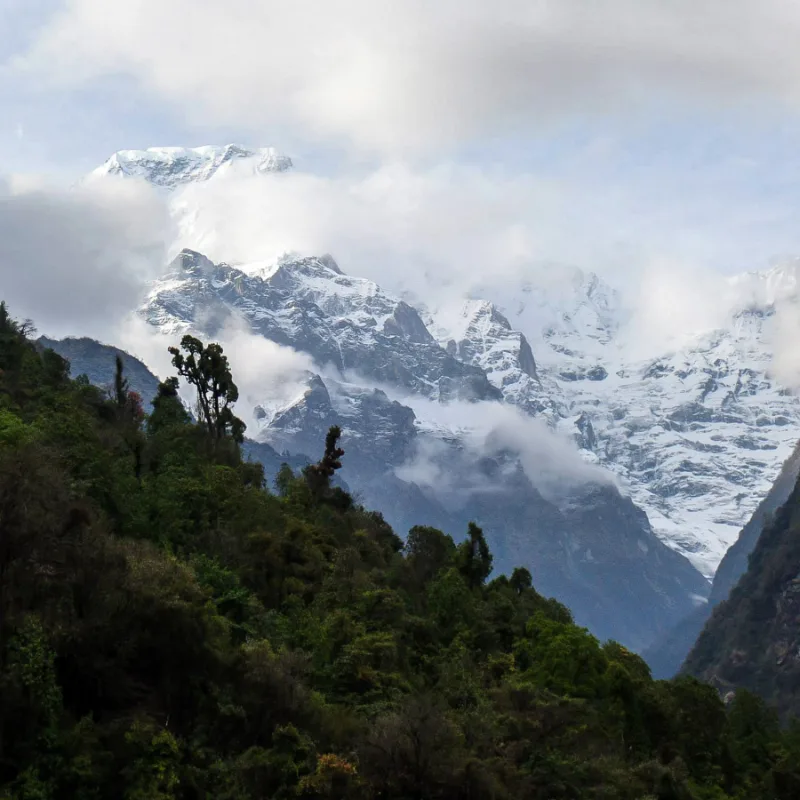

Tour Highlights
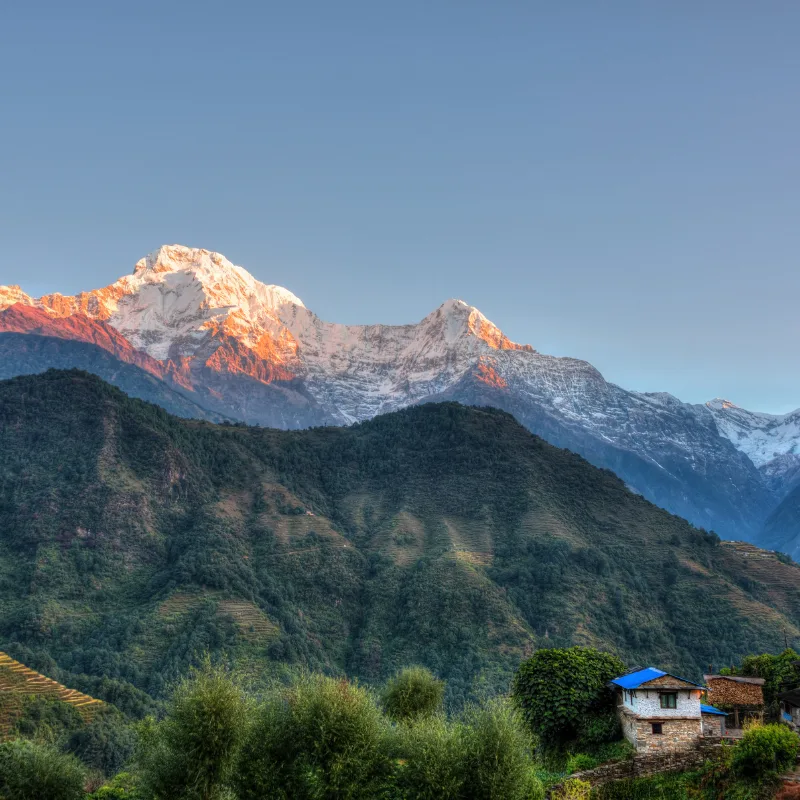
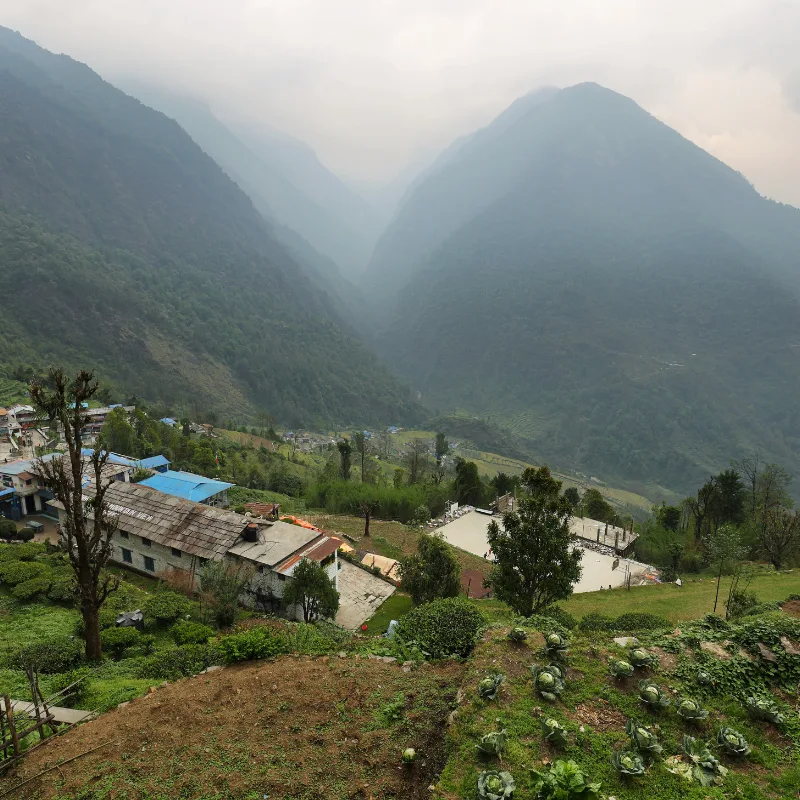
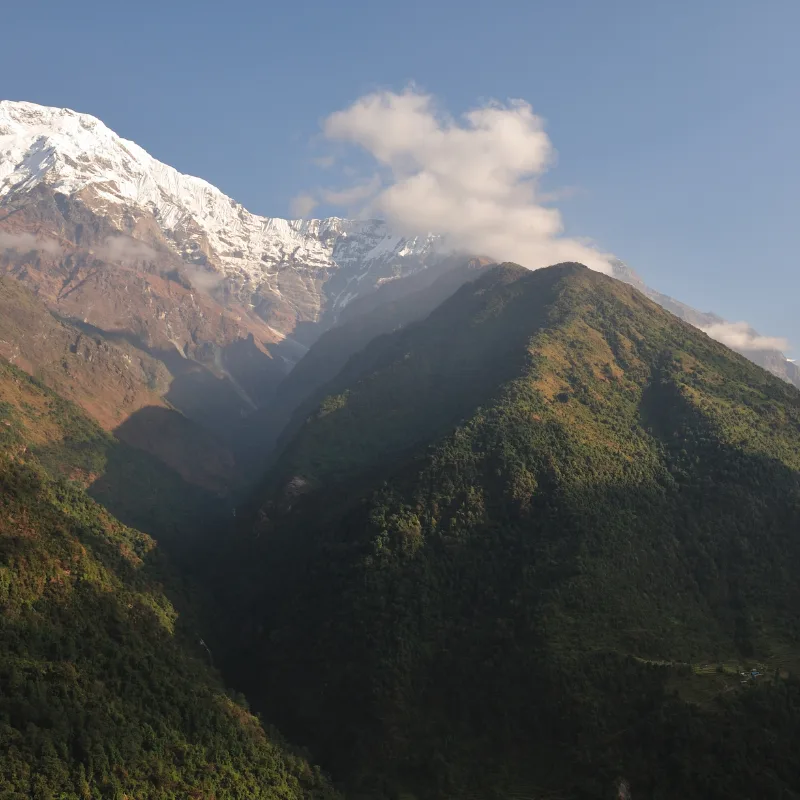
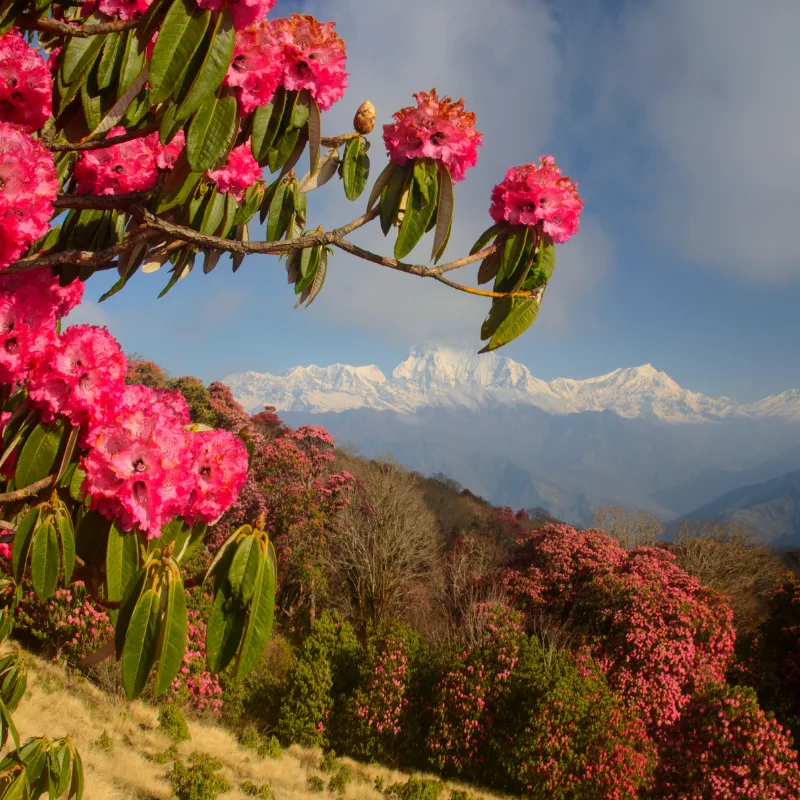
Nine days of Annapurna landscapes, Gurung villages, rhododendron forests and the dramatic Annapurna Sanctuary make the Annapurna Base Camp Trek a rewarding Himalayan journey.
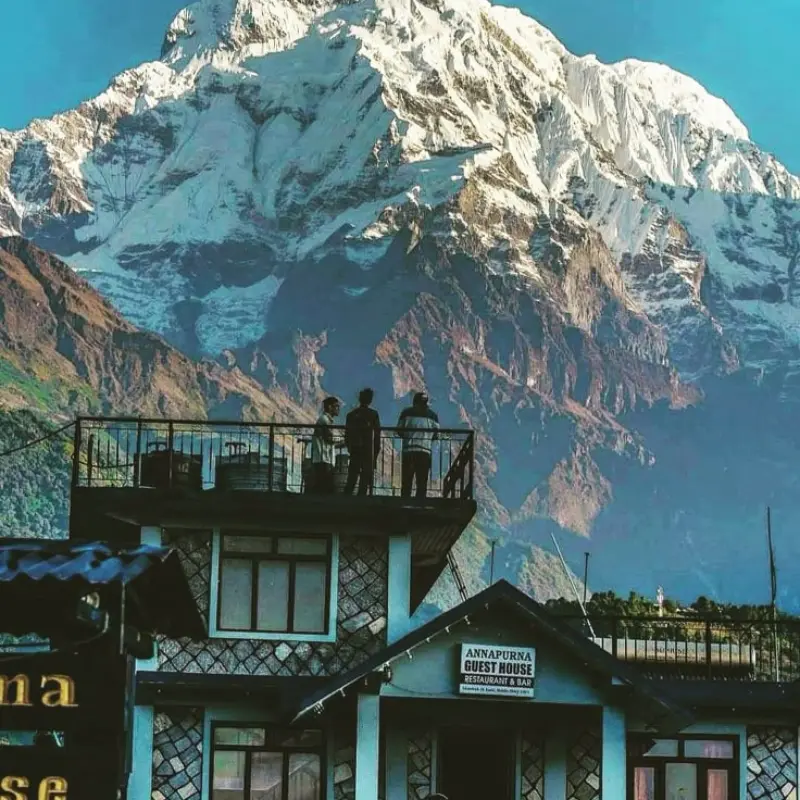
- Annapurna Base Camp — 4,130 m / 13,550 ft: Reach the heart of the Annapurna Sanctuary, surrounded by Annapurna I, Annapurna South, Hiunchuli and Machhapuchhre.
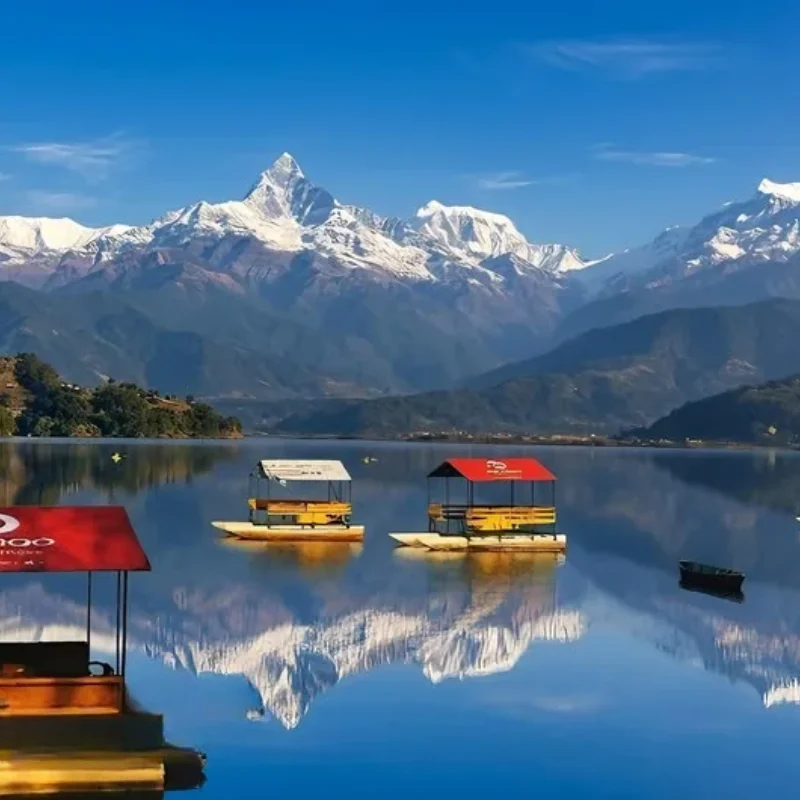
- Machhapuchhre Base Camp — 3,700 m / 12,139 ft: Pass through the base camp beneath the distinctive Machhapuchhre (Fishtail) before continuing toward Annapurna Base Camp.
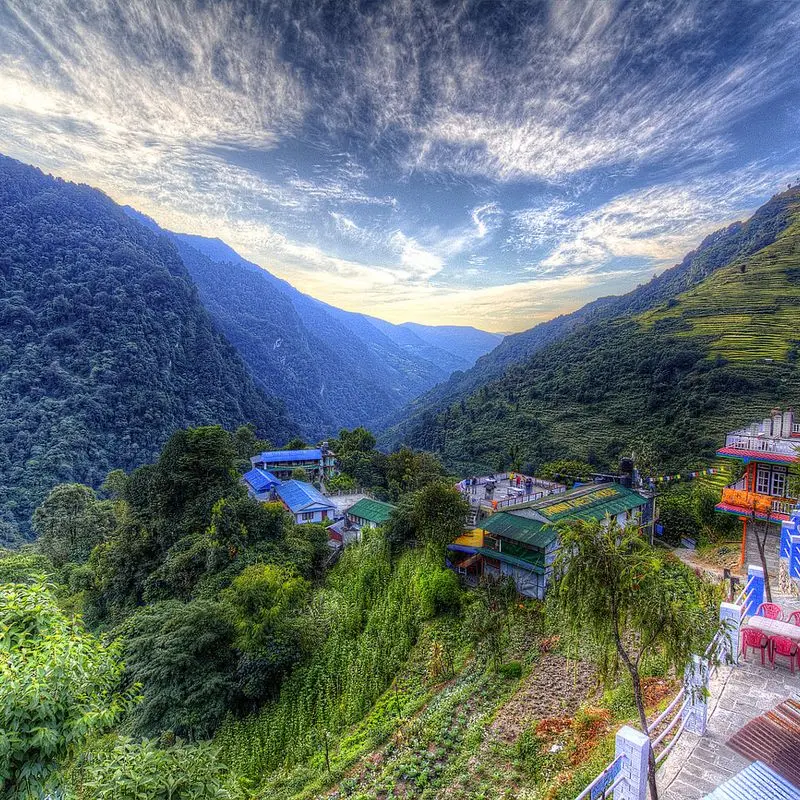
- Ghandruk — 2,012 m / 6,601 ft: Begin the trek from this scenic Gurung village, known for traditional houses, terraced hillsides and local culture.
- Chhomrong — 2,170 m / 7,119 ft: Follow the trail through one of the region's key trekking settlements, surrounded by steep hillsides and traditional mountain communities.
- Rhododendron & Oak Forests: Walk through diverse Himalayan forests, with rhododendrons adding vibrant colour to the trail during spring.
- Annapurna Sanctuary: Enter a spectacular natural amphitheatre as the trail climbs through alpine terrain toward Machhapuchhre Base Camp and Annapurna Base Camp.
- Jhinu Danda Hot Springs — 1,780 m / 5,840 ft: Relax in the natural hot springs at Jhinu Danda after descending from the higher sections of the trek.
- Gurung Mountain Culture: Experience traditional villages, local hospitality and the cultural landscape of the Annapurna region, particularly around Ghandruk and Chhomrong.
- Changing Landscapes: Experience the transition from terraced farmland and subtropical forests to alpine terrain and the high-altitude environment of the Annapurna Sanctuary.
- Classic 9-Day Annapurna Trek: Combine cultural experiences, varied landscapes, high-altitude trekking and natural hot springs in a compact itinerary from Kathmandu.
Annapurna Base Camp Trek Overview
The Annapurna Base Camp Trek is a 9-day trek in Nepal's Annapurna region that takes you from Kathmandu through scenic mountain villages to Annapurna Base Camp at 4,130 metres (13,550 feet). The route combines spectacular Himalayan scenery, traditional Gurung villages, rhododendron forests, dramatic mountain landscapes and relaxing natural hot springs at Jhinu Danda.
Starting and ending in Kathmandu, this 9-day Annapurna Base Camp Trek travels through Ghandruk, Chhomrong, Bamboo, Deurali and Machhapuchhre Base Camp (3,700 m) before reaching Annapurna Base Camp. Along the way, trekkers experience changing landscapes, mountain communities and close views of Annapurna I, Machhapuchhre, Hiunchuli, Annapurna South and other peaks.
With Nepal Lion Tours, the trek starts from USD 635 per person for groups of 10 or more, with pricing varying by group size and accommodation option. The package includes a licensed trekking guide, accommodation, meals during the trek, required permits, transportation and other services specified in the package inclusions.
What Makes the Annapurna Base Camp Trek Special?
The Annapurna Base Camp Trek stands out for its gradual journey from lower mountain villages into a dramatic high-altitude sanctuary surrounded by some of Nepal's most impressive peaks. The trail begins around Ghandruk at 2,012 m, passes through Chhomrong at 2,170 m, and gradually climbs through forests and mountain settlements toward the high Himalayan landscape.
The route passes through Bamboo, Deurali and Machhapuchhre Base Camp, where the scenery becomes increasingly dramatic. At Machhapuchhre Base Camp (3,700 m), you are surrounded by towering peaks before continuing toward Annapurna Base Camp at 4,130 m.
Reaching Annapurna Base Camp is the main highlight of the trek. The sanctuary opens into a spectacular mountain amphitheatre with close views of Annapurna I (8,091 m), Annapurna South, Hiunchuli and Machhapuchhre (6,993 m). The changing light across the mountains, particularly around sunrise and sunset, makes the base camp experience memorable.
After reaching ABC, the route descends through the same mountain region toward Jhinu Danda (1,780 m). Here, you can relax at the area's natural hot springs before continuing toward Pokhara and returning to Kathmandu.
Why Choose the Annapurna Base Camp Trek?
The Annapurna Base Camp Trek offers a complete Himalayan trekking experience within a relatively compact itinerary. Instead of spending several weeks on the trail, you can reach 4,130 m while experiencing mountain villages, forests, suspension bridges, high-altitude landscapes and the Annapurna Sanctuary.
The route also provides a strong mix of mountain scenery and cultural experiences. Ghandruk and other settlements along the trail offer opportunities to experience local Gurung communities, traditional villages and everyday life in the Annapurna region.
For travellers looking for a classic Nepal trekking experience, the 9-day itinerary provides a practical balance between trekking time, mountain scenery and cultural encounters.
Who Is This 9-Day Annapurna Base Camp Trek Suitable For?
The 9-day Annapurna Base Camp Trek is suitable for:
- Trekkers looking for a classic Annapurna Base Camp experience
- Travellers with limited time who want to reach a Himalayan base camp
- First-time high-altitude trekkers with reasonable fitness
- Travellers interested in mountain scenery and local culture
- Couples, friends and small private groups
- Trekkers who enjoy forest trails, mountain villages and changing landscapes
- Travellers who want to combine high-altitude trekking with the Jhinu Danda hot springs
Previous trekking experience is not essential, but you should be prepared for several hours of walking each day, including regular uphill and downhill sections. The increasing altitude toward Machhapuchhre Base Camp and Annapurna Base Camp makes gradual pacing, proper acclimatization and good preparation important.
Quick Facts
Trek Fact | Details |
Trek Name | Annapurna Base Camp Trek |
Duration | 9 days / 8 nights |
Region | Annapurna, Gandaki, Nepal |
Maximum Altitude | 4,130 m / 13,550 ft at Annapurna Base Camp |
Difficulty | Moderate to Challenging |
Main Highlight | Annapurna Base Camp and panoramic Himalayan views |
Major Peaks | Annapurna I, Machhapuchhre, Annapurna South and Hiunchuli |
Start / End | Kathmandu to Kathmandu |
Route | Kathmandu – Ghandruk – Chhomrong – Bamboo – Deurali – MBC – ABC – Jhinu Danda – Pokhara – Kathmandu |
Typical Walking | 5–7 hours per day |
Best Season | March–May and October–November |
Price From | USD 786 per person |
Accommodation | Teahouse lodges |
Guide | Licensed trekking guide |
Annapurna Base Camp Trek Route and Elevation
The Annapurna Base Camp Trek follows a scenic route from Kathmandu to Pokhara and Ghandruk before entering the Annapurna Sanctuary. The trail passes through Chhomrong, Bamboo, Deurali and Machhapuchhre Base Camp (MBC) before reaching Annapurna Base Camp at 4,130 m. The return route descends through Bamboo and Jhinu Danda before continuing to Pokhara and Kathmandu.
Day | Route | Altitude | Key Trail Features |
Day 1 | Kathmandu → Pokhara → Ghandruk | 1,940 m / 6,365 ft | Scenic drive, private jeep transfer and Gurung village |
Day 2 | Ghandruk → Chhomrong | 2,170 m / 7,120 ft | Forest trails, Kimrong Khola and suspension bridge |
Day 3 | Chhomrong → Bamboo | 2,310 m / 7,579 ft | Stone steps, Sinuwa and bamboo forests |
Day 4 | Bamboo → Deurali | 3,230 m / 10,595 ft | Dovan, Himalaya, waterfalls and alpine terrain |
Day 5 | Deurali → MBC → ABC | 4,130 m / 13,549 ft | Annapurna Sanctuary and Machhapuchhre Base Camp |
Day 6 | ABC → Bamboo | 2,310 m / 7,578 ft | Long descent through MBC, Deurali, Himalaya and Dovan |
Day 7 | Bamboo → Chhomrong → Jhinu Danda | 1,780 m / 5,840 ft | Forest trail, Chhomrong and natural hot springs |
Day 8 | Jhinu Danda → Naya Pul → Pokhara | 822–1,070 m / 2,697–3,510 ft | Final trekking section, road transfer and Pokhara |
Day 9 | Pokhara → Kathmandu | 1,300 m / 4,265 ft | Scenic return drive or optional flight |
Elevation Profile
The trek gradually gains altitude from Ghandruk at 1,940 m to Chhomrong at 2,170 m, Bamboo at 2,310 m, and Deurali at 3,230 m. The highest point is Annapurna Base Camp at 4,130 m, reached via Machhapuchhre Base Camp at 3,700 m. After ABC, the trail descends through the same mountain corridor toward Bamboo and Jhinu Danda before returning to Pokhara.
Because the route reaches 4,130 m, maintaining a steady pace, staying hydrated and informing your guide about any unusual symptoms are important parts of a comfortable trek.
How to Get to the Annapurna Base Camp Trek
The Annapurna Base Camp Trek begins with a journey from Kathmandu to Pokhara, followed by a private jeep drive to Ghandruk, where the trekking route starts. This approach combines a scenic overland journey with a direct transfer to the trailhead, making the first day convenient for trekkers travelling with an organized package.
For international travellers, it is sensible to allow some flexibility around your arrival in Nepal. Road conditions, traffic and weather can affect travel between Kathmandu and Pokhara, so having enough time before the trek starts can make the journey more comfortable.
Kathmandu to Pokhara: Drive or Flight?
Your Annapurna Base Camp Trek package includes travel from Kathmandu to Pokhara by road, with an optional domestic flight available for travellers who prefer a faster journey.
Option | Approx. Travel Time | Best For |
Tourist bus / road travel | 6–8 hours | Travellers who prefer overland travel |
Private vehicle | Around 6–8 hours | Greater flexibility and comfort |
Domestic flight | Around 25–30 minutes | Travellers looking to save time |
Road travel time can vary depending on traffic, road conditions, construction and weather. A domestic flight is considerably faster, but flight schedules can also be affected by weather or operational conditions.
For this package, the journey to Pokhara is followed by a private jeep transfer to Ghandruk, so you do not need to arrange separate transportation to the trekking starting point.
Pokhara to Ghandruk
After reaching Pokhara, the journey continues by private jeep to Ghandruk, the starting point of the trekking route. The drive takes approximately 3–4 hours, depending on road conditions.
Ghandruk sits at around 1,940 m and is a well-known Gurung settlement in the Annapurna region. On arrival, you can settle into the teahouse and explore the village, including the Gurung Museum, before beginning the main trekking days.
Starting from Ghandruk also allows the itinerary to enter the Annapurna foothills directly rather than spending an additional trekking day on the lower approach.
Returning to Pokhara After the Trek
After reaching Annapurna Base Camp at 4,130 m, the route descends through Machhapuchhre Base Camp, Deurali, Himalaya, Dovan and Bamboo before continuing toward Jhinu Danda.
From Jhinu Danda, the final trekking section continues toward Siwai or Naya Pul, depending on trail and road conditions. From the roadhead, a pre-arranged vehicle takes you to Pokhara, with the drive generally taking around 1.5 -- 2 hours.
You will then stay overnight in Pokhara before continuing to Kathmandu the following day.
Pokhara to Kathmandu After the Trek
On the final day, the package includes the journey from Pokhara to Kathmandu by road, which takes approximately 7–8 hours depending on traffic and road conditions. An optional domestic flight can also be arranged for travellers who prefer a shorter return journey.
If you have an international flight after the trek, it is advisable to leave sufficient time between your arrival in Kathmandu and your international departure. Allowing a buffer is particularly useful when travelling by road, as delays can occur because of traffic, weather or changing road conditions.
Travel Planning Tip
For a smoother Annapurna Base Camp Trek, plan your Kathmandu arrival with enough time to handle unexpected travel delays. The package connects Kathmandu, Pokhara and Ghandruk before the trek and returns through Pokhara to Kathmandu, so keeping your transportation and international flight schedules flexible can make the overall journey easier.
With the major transfers arranged as part of the itinerary, you can focus on the trek itself—from Ghandruk and Chhomrong to Annapurna Base Camp and the Jhinu Danda hot springs.
Annapurna Base Camp Trek Difficulty, Fitness & Altitude
The Annapurna Base Camp Trek is generally considered moderate to challenging because it combines several consecutive days of walking with steep stone steps, uneven mountain trails and a maximum altitude of 4,130 m / 13,549 ft at Annapurna Base Camp. You do not need advanced mountaineering skills, but a reasonable level of fitness and preparation will make the trek much more comfortable.
The route becomes progressively more demanding as it climbs from Ghandruk at 1,940 m through Chhomrong, Bamboo and Deurali before entering the Annapurna Sanctuary. Trekking days typically involve 4–7 hours of walking, with longer and more physically demanding sections on the ascent to ABC and the descent back to Bamboo.
Where Is the Effort on the ABC Trek?
The difficulty is not the same throughout the itinerary. The lower sections around Ghandruk and Chhomrong combine village trails, forests and stone steps, while the route becomes more rugged and steeper above Bamboo.
The main physical challenges include:
- Ghandruk to Chhomrong: A combination of uphill and downhill sections, forest trails, stone steps and the crossing of Kimrong Khola.
- Chhomrong to Bamboo: Steep stone steps and repeated ascents and descents through forest.
- Bamboo to Deurali: The trail enters deeper into the Annapurna Sanctuary, with steeper sections, narrow terrain and increasing altitude.
- Deurali to ABC: The most demanding ascent, reaching Machhapuchhre Base Camp at 3,700 m before continuing to Annapurna Base Camp at 4,130 m.
- ABC to Bamboo: A long downhill day of around 6–7 hours, which can be demanding on the knees and legs.
- Bamboo to Jhinu Danda: A mixture of climbing and steep descent before reaching the lower elevation of Jhinu Danda.
How to Prepare for the Annapurna Base Camp Trek
You do not need technical climbing experience for this trek, but regular preparation is highly recommended. Focus on walking endurance, leg strength and getting comfortable with uneven terrain.
- Walk regularly: Aim for 3–4 walking sessions per week and gradually increase your walking time.
- Practise hills and stairs: Include uphill and downhill walking, stairs or an inclined treadmill to prepare for the stone steps around Chhomrong and other sections.
- Build leg strength: Squats, lunges, step-ups and calf raises can help prepare your legs for repeated climbs and descents.
- Take longer walks: Before departure, include several 2–4 hour walks so your body becomes accustomed to sustained activity.
- Practise with your daypack: Walking with a light pack similar to what you expect to carry can help you adjust before the trek.
- Prepare for higher altitude: The route reaches 4,130 m, so avoid rushing and give yourself time to adjust as you gain elevation.
- Prioritize recovery: Good sleep, regular meals and adequate rest during the final days before departure are more useful than intensive last-minute training.
How Difficult Is the ABC Trek Compared with Shorter Treks?
The Annapurna Base Camp Trek requires more physical endurance than shorter lower-altitude routes such as the Poon Hill trek. The difference comes from its longer trekking distance, greater elevation gain and maximum altitude of 4,130 m.
The route also includes several consecutive days of walking, including the ascent from Deurali to ABC and the long descent from ABC to Bamboo. However, it follows established trekking trails and uses teahouse accommodation, so you do not need camping or technical mountaineering skills.
For travellers who regularly walk, are comfortable with several hours of activity per day and prepare properly for uphill and downhill terrain, the trek can be a realistic goal. Your pace should be based on your fitness and how your body responds to the altitude rather than trying to walk as quickly as possible.
Altitude, Acclimatization & Safety
The highest point of the Annapurna Base Camp Trek is 4,130 m / 13,549 ft. The route gains altitude progressively from Ghandruk through Chhomrong, Bamboo and Deurali before reaching Machhapuchhre Base Camp and then ABC.
At these elevations, altitude sickness can occur, even in otherwise fit trekkers. Fitness does not prevent altitude illness, so paying attention to symptoms and communicating with your guide are important.
Annapurna Base Camp Trek Altitude Profile
- Ghandruk — 1,940 m / 6,365 ft: Starting point of the trekking route and a traditional Gurung village.
- Chhomrong — 2,170 m / 7,120 ft: Important settlement on the route toward the Annapurna Sanctuary.
- Bamboo — 2,310 m / 7,579 ft: Forested overnight stop before the route climbs toward Deurali.
- Deurali — 3,230 m / 10,595 ft: Higher-altitude stop before entering the main sanctuary section.
- Machhapuchhre Base Camp — 3,700 m / 12,139 ft: High-altitude stop below Machhapuchhre before continuing toward ABC.
- Annapurna Base Camp — 4,130 m / 13,549 ft: Highest point of the trek and the destination within the Annapurna Sanctuary.
- Jhinu Danda — 1,780 m / 5,840 ft: Lower elevation reached after the descent, with access to natural hot springs.
How the Body Responds to Altitude
As altitude increases, atmospheric pressure decreases and less oxygen is available. Your body needs time to adjust, which is why maintaining a steady pace becomes increasingly important above 3,000 m.
During the trek:
- Walk at a comfortable and consistent pace.
- Drink fluids regularly and eat enough throughout the day.
- Get adequate rest each night.
- Avoid pushing through significant symptoms.
- Tell your guide promptly if you feel unwell.
Symptoms of Altitude Sickness to Watch For
Possible symptoms of acute mountain sickness (AMS) include:
- Headache
- Nausea or reduced appetite
- Dizziness
- Unusual tiredness
- Difficulty sleeping
If symptoms appear, inform your trekking guide rather than continuing without reporting them. More serious warning signs can include:
- Severe or persistent headache
- Repeated vomiting
- Confusion or unusual behaviour
- Difficulty walking or poor coordination
- Shortness of breath while resting
If serious altitude-related symptoms are suspected, do not continue ascending. Appropriate medical assessment and descent to a lower altitude may be necessary.
How Nepal Lion Tours Supports Altitude Safety
- Progressive ascent: The itinerary moves from Ghandruk through Chhomrong, Bamboo and Deurali before reaching MBC and ABC.
- Licensed trekking guide: A guide accompanies the trek and can help you respond appropriately if you feel unwell.
- Early communication: Trekkers should report headaches, nausea, dizziness, unusual fatigue or other concerning symptoms as soon as they appear.
- Descent after ABC: After reaching the highest point at 4,130 m, the itinerary descends through MBC, Deurali and Dovan to Bamboo before continuing toward Jhinu Danda.
- Basic first-aid support: The trekking team can assist with basic first-aid needs during the journey.
- Travel insurance: Trekkers should have suitable travel insurance covering trekking at the planned altitude and medical treatment. Where relevant, check that your policy covers emergency evacuation.
Best Time to Trek Annapurna Base Camp
The best time for the Annapurna Base Camp Trek is generally spring (March–May) and autumn (September–November). These periods usually offer favourable trekking conditions, clearer mountain views and more comfortable daytime temperatures.
The trek can be undertaken in other months as well, but winter brings colder conditions and possible snow at higher elevations, while the monsoon season brings heavier rainfall, slippery trails and cloud cover that can limit visibility.
Season | Months | Weather & Trail Conditions | Considerations |
Autumn | September–November | Generally dry and stable | Popular trekking season |
Spring | March–May | Mild with increasing warmth | Rhododendrons bloom along the trail |
Winter | December–February | Cold; snow and ice possible at higher elevations | Requires suitable cold-weather gear |
Monsoon | June–August | Wet, humid and potentially slippery | Rain, leeches and muddy trails possible |
Autumn — September to November
Autumn is one of the most popular seasons for the Annapurna Base Camp Trek, particularly October and November. The post-monsoon period generally brings clearer skies and improved visibility, while daytime temperatures are suitable for trekking.
As the route climbs toward Deurali, Machhapuchhre Base Camp and Annapurna Base Camp, temperatures become considerably colder, especially in the morning and evening. Good layering remains important even during the main trekking season.
Spring — March to May
Spring is another favourable season for ABC trekking. March and April generally provide comfortable conditions for walking, while the forests around Ghandruk, Chhomrong and the Annapurna Sanctuary become especially attractive as rhododendrons bloom.
Mornings often provide clearer conditions for viewing the surrounding peaks, while clouds can develop later in the day. Temperatures gradually become warmer toward May, particularly at lower elevations.
Winter — December to February
Winter brings colder and potentially more challenging conditions, particularly above Deurali. Snow and icy sections can occur around Machhapuchhre Base Camp and Annapurna Base Camp, depending on weather and trail conditions.
Clear winter days can provide excellent visibility, but trekkers should be prepared with warm clothing, suitable footwear and appropriate equipment for cold conditions.
Monsoon — June to August
The monsoon season brings frequent rainfall to the Annapurna region. Lower sections of the route can become muddy and slippery, while rain and cloud cover may reduce visibility of the surrounding peaks.
The forests and valleys are particularly green during this period, but trekkers should be prepared for wet trails, leeches and changing weather. Road conditions can also affect the Kathmandu–Pokhara–Ghandruk journey.
Which Season Should You Choose?
Choose autumn if you want generally stable weather and clearer conditions for the high-altitude sections of the trek. Choose spring if you want a combination of comfortable trekking conditions and blooming rhododendrons.
Winter can suit experienced or well-prepared trekkers who are comfortable with colder conditions and possible snow, while monsoon is more suitable for travellers who are prepared for rain and reduced mountain visibility.
Weather in the Himalayas can change quickly, so conditions are never guaranteed regardless of the season. Check the weather forecast and current trail conditions before departure and follow your guide's advice during the trek.
Annapurna Base Camp Trek Permits & Regulations
The Annapurna Base Camp Trek passes through the Annapurna Conservation Area, so trekkers need the required conservation-area permit and applicable trekking registration before entering the route. Because this is a guided package with Nepal Lion Tours, the required documentation can be prepared as part of the pre-trek arrangements.
Permit fees and trekking regulations can change, so the exact requirements should be confirmed before departure based on the regulations in effect at the time of your trek.
Annapurna Base Camp Trek Permits at a Glance
Requirement | Purpose | Arrangement |
Annapurna Conservation Area Permit (ACAP) | Required for entry into the Annapurna Conservation Area | Nepal Lion Tours |
TIMS registration | Trekker and route registration where applicable | Nepal Lion Tours |
Passport | Identification and permit processing | Provided by the trekker |
Annapurna Conservation Area Permit (ACAP)
The Annapurna Conservation Area Permit (ACAP) is required for trekking within the Annapurna Conservation Area. Since the ABC route passes through this protected region, trekkers must have the appropriate permit before entering the conservation area.
For the permit process, trekkers generally need:
- A valid passport
- Required personal and trek information
- The applicable ACAP fee
- Permit documentation issued through the required process
When you book the Annapurna Base Camp Trek with Nepal Lion Tours, the company can handle the permit arrangements according to the current regulations and package inclusions.
TIMS Registration for the ABC Trek
The Trekkers' Information Management System (TIMS) is used to register trekkers and maintain relevant information about trekking routes and participants. Requirements can vary according to current government and tourism regulations.
For an organized trek with Nepal Lion Tours, applicable TIMS registration is handled during the pre-trek preparation. Your trekking agency can confirm the current TIMS requirements and associated charges before departure.
Do You Need a Restricted-Area Permit?
No, the standard Annapurna Base Camp Trek does not enter a designated restricted trekking area.
The itinerary follows the established route from Ghandruk through Chhomrong, Bamboo, Deurali, Machhapuchhre Base Camp and Annapurna Base Camp, before descending toward Jhinu Danda and Pokhara. Unlike restricted regions such as Upper Mustang or the restricted sections of Manaslu, this standard ABC itinerary does not require a restricted-area trekking permit.
If you change the itinerary or combine the trek with another region, additional permits may apply.
What Documents Should You Carry?
You should carry your original passport during the trek, as it may be required for identification or official checks. It is also useful to keep a digital or photocopied backup of your passport and important travel documents.
Before departure, confirm that your permit and registration details match your trekking itinerary and passport information.
Who Arranges the Trekking Permits?
When you book the Annapurna Base Camp Trek with Nepal Lion Tours, the trekking team coordinates the required permit and registration arrangements before you enter the trail.
This means you do not need to manage the entire permit process independently. You will generally need to provide the required personal and passport information in advance so the agency can complete the necessary paperwork.
Important: Government permit fees, TIMS requirements and trekking regulations can be revised. Nepal Lion Tours should confirm the applicable requirements and charges for your departure before the trek.
Food & Accommodation on the Annapurna Base Camp Trek
Accommodation and meals are an important part of the Annapurna Base Camp Trek. The route has an established network of teahouses, allowing trekkers to stay in local mountain lodges throughout the trekking section. Facilities become simpler as you gain altitude, but teahouses provide the essential comforts needed after a day on the trail.
Your Nepal Lion Tours package includes teahouse accommodation and meals during the trekking days, allowing you to focus on the route without arranging lodges and meals independently.
Teahouse Accommodation on the ABC Trek
During the trekking portion, you will stay in local teahouses on a twin-sharing basis. Rooms are generally simple and practical, with facilities varying between villages.
Typical teahouse facilities may include:
- Twin-sharing rooms with beds, mattresses, pillows and blankets.
- Shared bathrooms, with private bathrooms available at some lodges.
- Hot showers at selected teahouses, usually for an additional charge.
- Electricity for lighting and basic charging, although charging fees may apply.
- Dining areas where trekkers can eat, rest and warm up during colder evenings.
- Wi-Fi at some lodges, although availability and connection quality vary.
- Basic bedding suited to the conditions at each altitude.
Accommodation generally becomes more basic as you move higher toward Deurali, Machhapuchhre Base Camp and Annapurna Base Camp. The focus is on a warm place to sleep, eat and recover rather than hotel-style facilities.
At Annapurna Base Camp, the teahouse environment is particularly simple because of the high-altitude location and remote setting.
What Food Is Available on the Annapurna Base Camp Trek?
Food along the ABC Trek includes a mixture of traditional Nepali dishes, local mountain meals and familiar international options. Menus vary between teahouses, especially at higher elevations.
Common meals include:
- Dal bhat with rice, lentils, vegetables and pickle
- Momos
- Noodles and noodle soup
- Fried rice
- Pasta
- Soups
- Potatoes
- Eggs
- Porridge
- Pancakes
- Toast and other breakfast options
Dal bhat is one of the most practical choices for trekkers because it provides a filling combination of carbohydrates, protein and vegetables. Other meals such as soup, noodles and rice dishes can also be useful after several hours of walking.
Vegetarian food is widely available. If you have vegan, gluten-free or other dietary requirements, inform Nepal Lion Tours before departure so your guide can communicate your needs to the teahouses. Food choices can become more limited at higher elevations, so advance notice is helpful.
What Food and Accommodation Are Included?
According to the package itinerary, breakfast, lunch and dinner are provided during the trek, along with teahouse accommodation on the trekking nights.
Included in the Package | Usually Paid Separately |
Teahouse accommodation during trekking days | Bottled drinks |
Breakfast, lunch and dinner | Alcoholic beverages |
Tea or coffee with meals, as specified | Snacks and desserts |
Twin-sharing accommodation | Hot showers are charged |
Trekking guide and arranged services | Device charging where charged |
| Hotel accommodation in Pokhara and Kathmandu as listed in the itinerary | Personal expenses and tips |
Exact lodge facilities and additional charges can vary by location, so check the final package inclusions before departure.
Drinking Water on the ABC Trek
Staying hydrated is particularly important as the trail climbs toward 4,130 m. Drinking water is available along the route through teahouses and other local sources, but untreated water should not automatically be assumed to be safe.
You can purchase bottled water or use boiled or treated water. For a more sustainable option, carry a reusable bottle and use a reliable water purification method, such as a filter or purification tablets.
Drink regularly throughout the day rather than waiting until you become thirsty. Your fluid needs can increase with altitude, cold, dry air and physical activity.
Staying Comfortable in Teahouses
A few simple preparations can make your evenings on the Annapurna Base Camp Trek more comfortable:
- Carry a reusable water bottle or hydration system.
- Bring a suitable sleeping bag for the season and altitude.
- Carry a power bank because charging may be limited or available for a fee.
- Keep some Nepalese rupees for showers, charging, snacks and drinks.
- Pack warm layers for evenings and higher elevations.
- Inform your guide about dietary requirements before the trek.
- Keep essential personal items accessible in your daypack.
The combination of local teahouse accommodation, traditional Nepali food and mountain communities is an integral part of the ABC experience. After trekking from Ghandruk through Chhomrong, Bamboo and Deurali to Annapurna Base Camp, these simple lodges provide a practical place to rest before continuing the journey.
Why Book with Nepal Lion Tours?
Choosing the right trekking company can make a significant difference to your Annapurna Base Camp Trek, from pre-trek preparation and permits to transportation, accommodation and support on the trail. Nepal Lion Tours organizes this 9-day ABC itinerary with local trekking guidance and coordinated services from Kathmandu to Pokhara, Ghandruk, Annapurna Base Camp and back to Kathmandu.
- Licensed English-Speaking Trekking Guide
Your trek is accompanied by a licensed trekking guide who can assist with route navigation, local arrangements, trail conditions and day-to-day trekking needs. Having a local guide also gives you the opportunity to learn more about the villages, landscapes and communities along the Annapurna Base Camp route.
- Locally Based Trekking Company
Nepal Lion Tours is a Kathmandu-based trekking company providing trekking and tour services in Nepal. Working with a local operator gives you a direct point of contact for itinerary planning, permits, transportation and other arrangements before and during your trek.
- Small-Group Trekking
The Annapurna Base Camp Trek is arranged for groups of 2–10 trekkers, creating a more manageable group experience on the trail. A smaller group can also make communication with your guide and coordination of daily arrangements easier.
- Complete Kathmandu-to-Kathmandu Itinerary
The package is organized as a 9-day Kathmandu-to-Kathmandu trek, covering the major logistics from the beginning of the journey. The itinerary includes travel to Pokhara, a private jeep transfer to Ghandruk, trekking to ABC, the descent toward Jhinu Danda and the return journey through Pokhara to Kathmandu.
- Private Transfer to Ghandruk
After reaching Pokhara, the package includes a private jeep transfer to Ghandruk, where the trekking route begins. This avoids the need to arrange separate local transportation to the trailhead and provides a direct connection between the road journey and the trekking section.
- Teahouse Accommodation and Meals Included
The package includes teahouse accommodation during the trekking days, with breakfast, lunch and dinner provided according to the itinerary. Staying in local teahouses allows you to experience the established accommodation network of the Annapurna region while keeping the trek practical and organized.
- Permits and Trek Preparation
The trekking team coordinates the required Annapurna Conservation Area Permit (ACAP) and applicable trekking registration as part of the pre-trek arrangements. This reduces the paperwork you need to manage independently before starting the trail.
- A Route That Includes Annapurna Base Camp and Jhinu Danda
The itinerary goes beyond the main destination at Annapurna Base Camp (4,130 m). After reaching ABC, you descend through the Annapurna Sanctuary and continue toward Jhinu Danda, where you can enjoy the area's natural hot springs before returning to Pokhara.
- Direct Local Support Throughout the Journey
From your initial booking and Kathmandu arrival to the final return from Pokhara, Nepal Lion Tours provides a local point of contact for questions about transportation, permits, accommodation, preparation and the trekking schedule. This can be particularly useful for travellers completing their first trek in Nepal.
Book the Annapurna Base Camp Trek
Ready to trek into the heart of the Annapurna Sanctuary and stand at Annapurna Base Camp (4,130 m)? The 9-day Annapurna Base Camp Trek combines mountain scenery, Gurung villages, rhododendron forests, high-altitude landscapes, and the natural hot springs at Jhinu Danda in one rewarding Himalayan journey.
Trek at a Glance
- Duration: 9 days / 8 nights
- Difficulty: Moderate to Challenging
- Maximum Altitude: 4,130 m at Annapurna Base Camp
- Accommodation: Teahouse lodges during the trek, with hotel stays in Pokhara and Kathmandu as outlined in the itinerary
- Meals: Breakfast, lunch and dinner
- Permits & Registration: Annapurna Conservation Area entry permit and applicable trekking registration
- Transportation: Kathmandu–Pokhara and Pokhara–Kathmandu transfers, with private jeep transportation to Ghandruk and arranged ground transfers as outlined in the itinerary
- Guide: Licensed trekking guide
- Group Size: 2–10 people
- Route: Kathmandu – Pokhara – Ghandruk – Chhomrong – Bamboo – Deurali – MBC – ABC – Jhinu Danda – Pokhara – Kathmandu
Ready to Start Your Annapurna Base Camp Trek?
Secure your Annapurna Base Camp Trek dates with Nepal Lion Tours today. Share your preferred travel date and group size through the booking form or WhatsApp at +977-9851039020. Our team can help coordinate your trekking permits, transportation, accommodation, meals, and other arrangements before departure.
Whether you're travelling with friends, as a couple, with family, or in a small group, this 9-day ABC trek gives you a well-planned route from Kathmandu to Annapurna Base Camp and back. You will trek through traditional villages and forested trails before reaching the higher alpine landscape of the Annapurna Sanctuary.
Choose your dates and start planning your Annapurna Base Camp adventure today.
Related Annapurna Treks
Looking for a different way to explore the Annapurna region? These related treks offer options ranging from a shorter Poon Hill sunrise journey to longer and higher-altitude Himalayan adventures.
Trek | Duration | Difficulty | Max Altitude | Best For |
Poon Hill Hot Spring Trekking | 5 days | Easy–Moderate | 3,210 m | A short trek combining Poon Hill sunrise with the Jhinu Danda hot springs |
Ghorepani Poon Hill Trekking | 4 days | Easy–Moderate | 3,210 m | A shorter Annapurna trek focused on the famous Poon Hill sunrise |
Annapurna Panorama View Trek | 9 days | Easy–Moderate | 3,210 m | Gurung villages, forest trails, Poon Hill, and wide Annapurna foothill views |
Annapurna Base Camp Trek | 9 days | Moderate–Challenging | 4,130 m | Reaching Annapurna Base Camp through the Annapurna Sanctuary |
Annapurna Circuit Trek | 14–18 days | Moderate–Challenging | 5,416 m | A longer Himalayan route with high mountain passes and changing landscapes |
If you want a shorter introduction to the Annapurna region, Poon Hill offers a lower-altitude option with a famous sunrise viewpoint. For a deeper mountain experience, the Annapurna Base Camp Trek takes you to 4,130 m through the Annapurna Sanctuary. The Annapurna Circuit Trek offers a longer journey with greater altitude, high-pass trekking, and substantial changes in scenery and culture.
You can also add time in Pokhara before or after your trek or combine your Annapurna adventure with other destinations in Nepal.
Trip Essentials
Packing advice, required equipment & gear recommendations
Essential
Packing for the Annapurna Base Camp Trek requires preparation for changing temperatures, long walking days, and higher-altitude conditions. The trail begins in the lower Annapurna foothills around Ghandruk and gradually climbs through Chhomrong, Bamboo and Deurali to Annapurna Base Camp at 4,130 m.
A practical layering system is more useful than carrying excessive clothing. You should pack reliable trekking footwear, warm layers, rain protection, sun protection and essential personal items while keeping your daypack comfortable for daily walking.
Essential Trekking Gear
- Trekking boots with good ankle support and a reliable grip. Break them in before the trek.
- Trekking poles for stone steps, uneven trails and long downhill sections.
- A 25–35 litre daypack with a rain cover.
- Reusable water bottles or a hydration system with sufficient daily capacity.
- Water purification tablets, a filter or another reliable water-treatment method.
- Headlamp or small flashlight with spare batteries.
- Small dry bags or waterproof pouches for electronics, documents and other valuables.
- A small personal first-aid kit with blister treatment.
Clothing: Pack for Layers
Temperatures can vary considerably between the lower valleys and the higher sections around Deurali, Machhapuchhre Base Camp and ABC. Several lightweight layers allow you to adjust your clothing as conditions change.
Base layers
- 1–2 lightweight thermal tops.
- 1 thermal bottom for colder conditions.
- Merino wool or synthetic fabrics are preferable to cotton because they dry faster.
Mid-layers
- 1 fleece or warm mid-layer.
- 1 lightweight insulated jacket or puffer for cold mornings and evenings.
Outer layers
- 1 waterproof and wind-resistant jacket with a hood.
- Waterproof trousers or rain pants, particularly useful during wet-weather seasons.
Trekking clothes
- 2 pairs of trekking trousers.
- 3–4 trekking shirts.
- 4–5 pairs of trekking socks.
- Comfortable sleepwear or warm evening clothing.
Headwear and gloves
- Warm beanie or fleece hat.
- Sun hat or cap.
- Warm gloves for higher elevations and early mornings.
- Buff or neck gaiter for sun, wind and cold.
You do not need to bring a separate wardrobe for the trek. A few versatile layers can cover most conditions along the Annapurna Base Camp route.
Sleeping and Teahouse Comfort
The ABC trek uses teahouse accommodation, where rooms and facilities become simpler at higher elevations. A few personal items can make overnight stays more comfortable.
- Sleeping bag suitable for the season and trekking altitude.
- Sleeping-bag liner if you prefer additional warmth or hygiene.
- Earplugs for shared teahouse environments.
- Eye mask if you prefer darker sleeping conditions.
- Lightweight sandals or camp shoes for use inside the teahouse.
Check the final package inclusions with Nepal Lion Tours before departure to confirm which trekking equipment is provided and which items you need to bring yourself.
Toiletries and Personal Health Items
Keep toiletries compact because unnecessary weight becomes noticeable during several consecutive days of trekking.
- Sunglasses with good UV protection.
- Sunscreen and SPF lip balm.
- Personal medications.
- Small personal first-aid kit.
- Blister plasters or blister treatment.
- Basic pain relief if you normally use it.
- Rehydration salts if needed.
- Toothbrush and toothpaste.
- Biodegradable soap or small body wash.
- Hand sanitiser.
- Quick-dry towel.
- Wet wipes.
- Toilet paper or tissues.
If you take regular medication or have specific medical requirements, carry enough for the entire trek and keep essential items accessible in your daypack.
Electronics
You do not need much technology for the ABC Trek, but a few items are useful:
- Mobile phone and charging cable.
- Power bank, preferably around 10,000–20,000 mAh.
- Camera and spare batteries if you plan to photograph the mountains.
- Universal travel adapter if required for your devices.
Charging facilities are available at many teahouses, although availability and fees can vary. Wi-Fi and mobile connectivity also become less reliable as you move toward the higher sections of the route, so do not depend on continuous internet access.
Documents and Money
Keep important documents protected and easily accessible throughout the trek.
- Passport and copies of important travel documents.
- Travel insurance details and emergency contact information.
- Copies or digital records of relevant permit documentation.
- Sufficient Nepalese rupees in smaller denominations for personal expenses such as drinks, snacks, showers, charging and tips.
- Emergency contact details stored on your phone and separately.
Nepal Lion Tours coordinates the required trekking permits and registrations included in the itinerary. Keep your passport accessible because it may be required during permit or travel arrangements.
How Much Should You Pack?
For a 9-day Annapurna Base Camp Trek, lighter is generally better. Avoid unnecessary shoes, heavy jeans, excessive clothing and bulky toiletries.
Keep frequently needed items such as water, rain gear, sunscreen, snacks, valuables and personal medication in your daypack. Your remaining belongings can be organized separately according to the luggage arrangements for your trek.
The most important items are comfortable trekking boots, versatile layers, rain protection, warm clothing, sun protection and reliable water storage. Packing efficiently will make the long ascents, stone steps and downhill sections more comfortable.
Pack for the conditions you are likely to encounter—not for every possible situation. A well-organized, lightweight pack makes the journey from Ghandruk to Annapurna Base Camp much easier.
Read Before You Book
Permits, terms, medical considerations & advisory guidelines
Advisory
What to Know Before Booking the Annapurna Base Camp Trek
The Annapurna Base Camp Trek is a 9-day teahouse trek reaching 4,130 m, so a little preparation can make the journey more comfortable. Before booking, it is useful to understand the trekking conditions, accommodation, altitude, permits, insurance, transport and practical arrangements.
Accommodation and Facilities
You will stay in local teahouses on a twin-sharing basis during the trekking section. Rooms are generally simple, with beds and basic bedding, while bathroom facilities vary between villages.
Facilities become more basic as you climb toward Deurali, Machhapuchhre Base Camp and Annapurna Base Camp. Hot showers, charging and Wi-Fi may be available at selected lodges, often for an additional fee.
Carry a power bank, some Nepalese rupees and essential personal items in your daypack rather than relying on facilities being available at every stop.
Food and Dietary Requirements
Meals during the trek include a mixture of Nepali and familiar international dishes. Common choices include dal bhat, momos, noodles, rice, pasta, soups, eggs, porridge and pancakes.
Vegetarian food is widely available. If you are vegan, gluten-free or have a food allergy, inform Nepal Lion Tours before departure so your guide can communicate your requirements to the teahouses.
Food choices can become more limited at higher elevations, so sharing dietary requirements in advance is particularly helpful.
Altitude, Health and Insurance
The highest point of the trek is Annapurna Base Camp at 4,130 m. Although the trek does not involve technical mountaineering, the increasing altitude and several consecutive walking days make physical preparation important.
Walk at a steady pace, drink regularly and pay attention to how you feel as you gain elevation. Tell your guide if you experience symptoms such as persistent headache, dizziness, nausea, unusual fatigue or significant breathlessness.
If symptoms become severe or worsen, do not continue ascending without appropriate assessment. Your guide can help determine the appropriate next step.
Travel insurance is strongly recommended for the ABC Trek. Check that your policy covers trekking in Nepal at the altitude you will reach and provides appropriate medical and emergency assistance. Read the policy's altitude limits, exclusions and conditions before travelling.
Fitness and Daily Walking
The Annapurna Base Camp Trek is moderate to challenging, with regular uphill and downhill walking on stone steps, forest trails and uneven mountain paths.
Most trekking days involve around 4–7 hours of walking, although the actual duration can vary with trail conditions, pace and rest stops. The ascent from Deurali to MBC and ABC and the long descent from ABC toward Bamboo can be particularly demanding.
Regular walking, stair climbing, hiking and basic leg-strength exercises before your trip can help you prepare for the terrain.
Money and Tipping
Carry sufficient Nepalese rupees in smaller denominations for personal expenses such as drinks, snacks, hot showers, charging and other items not included in your package.
Do not rely entirely on cards or ATMs once you are on the trekking route, as access to banking facilities becomes limited.
Tipping is customary in Nepal's trekking industry but remains voluntary. Many trekkers choose to tip their guide and other support staff at the end of the trek when they are satisfied with the service provided.
Culture and Responsible Trekking
The route passes through Gurung villages and mountain communities, particularly around Ghandruk and Chhomrong. Respect for local customs helps preserve the character of these communities.
A few simple practices are useful:
- Ask permission before photographing local people.
- Dress respectfully in villages and around religious sites.
- Follow local customs when visiting temples, monasteries or shrines.
- Avoid littering and use reusable bottles where practical.
- Support locally operated teahouses and shops.
- Avoid disturbing wildlife, plants and cultural sites.
- Carry your waste with you when suitable disposal facilities are unavailable.
Connectivity and Charging
Mobile coverage and internet access vary along the ABC route. Connectivity is generally less dependable as you move toward the higher sections of the trail.
Wi-Fi may be available at some teahouses, while charging facilities can also vary and may involve an additional fee. A 10,000–20,000 mAh power bank is useful for keeping your phone and other essential devices charged.
Download important documents, maps and travel information before leaving areas with reliable internet access.
Permits and Trek Registration
The Annapurna Base Camp route passes through the Annapurna Conservation Area, so the required conservation-area entry permit and applicable trekking registration need to be arranged before or during the trek according to current requirements.
Nepal Lion Tours coordinates the required permit and registration arrangements included in the package. Keep your original passport accessible, as identification may be required during travel and permit processing.
Permit requirements and fees can change, so confirm the current arrangements with your trekking company before departure.
Transportation and Route Conditions
The trek begins with travel from Kathmandu to Pokhara, followed by a private jeep transfer from Pokhara to Ghandruk, where the trekking section starts.
At the end of the trek, you descend to Naya Pul/Siwai before continuing by road to Pokhara. Road and trail conditions can affect travel times, particularly during periods of heavy rain or other adverse weather.
Allow some flexibility in your schedule rather than planning important onward connections immediately after the trek.
What to Confirm Before Booking
Before confirming your Annapurna Base Camp Trek, make sure you understand:
- What is included in the package price.
- Accommodation arrangements and room sharing.
- Meals provided during the trek.
- Permit and registration arrangements.
- Kathmandu–Pokhara and trailhead transportation.
- Guide and group arrangements.
- Equipment provided by Nepal Lion Tours.
- Cancellation and payment terms.
- Travel insurance requirements.
- Personal expenses that are not included.
Once your dates are confirmed, provide your arrival, departure and accommodation details so the necessary transportation and pre-trek arrangements can be coordinated.
A Few Final Tips
Break in your trekking boots before arriving in Nepal, keep essential documents accessible, carry a reusable water bottle and keep some cash available for personal expenses.
Most importantly, allow some flexibility in your itinerary. Weather, road conditions and trail logistics can occasionally affect travel times in the Himalayas. A little extra flexibility makes the journey from Kathmandu to Annapurna Base Camp and back more comfortable and less stressful.
With the right preparation, the Annapurna Base Camp Trek offers a well-balanced combination of mountain landscapes, local communities, teahouse stays and a rewarding journey to 4,130 m.
Day-by-Day Itinerary
Explore each day's route, trekking elevation, and activities
Morning
After breakfast, our representative will pick you up from your hotel and transfer you to the bus departure point. We begin the scenic journey from Kathmandu to Pokhara, traveling through winding roads surrounded by green hills, river valleys, traditional villages, and rural landscapes. The drive generally takes around 6–8 hours, depending on road and traffic conditions. An optional flight to Pokhara can also be arranged if you prefer a quicker journey.
Midday
Upon reaching Pokhara, we continue our journey toward Ghandruk by private jeep. The drive takes approximately 3–4 hours, following scenic mountain roads through hills, forests, and traditional settlements. Gradually, the landscape changes as we approach the Annapurna region and the picturesque Gurung village of Ghandruk.
Afternoon
After arriving in Ghandruk, we settle into the teahouse and have time to explore this beautiful traditional mountain settlement. Ghandruk is primarily known for its Gurung community, while other local communities, including Magar and Tamang people, also contribute to the area's diverse cultural heritage.
You can visit the Gurung Museum, which provides insight into the local way of life through displays of traditional tools, household items, cultural objects, and information about the community's history and changing lifestyle.
Evening
As evening approaches, enjoy the peaceful atmosphere of Ghandruk with views of the surrounding Himalayan landscape. Have dinner at the teahouse and take this opportunity to become familiar with your guide and fellow trekkers. Rest well overnight as you prepare to begin the trekking portion of the journey the following day.
After breakfast, leave Ghandruk and begin the trek toward Chhomrong. The trail initially follows a gradual uphill route along the Modi Khola valley, passing through terraced farmland, lush woodland, and open viewpoints.
Along the way, enjoy distant views of Machhapuchhare (Fishtail) and Annapurna South. The trail then descends through beautiful rhododendron and oak forests toward the Kimrong Khola, a river originating from the surrounding glaciers.
Cross the river using a long suspension bridge before beginning another challenging uphill section. Although the ascent requires steady effort, the peaceful forest surroundings and spectacular Himalayan scenery make the climb rewarding.
Eventually, arrive at Chhomrong, a large hillside settlement inhabited by the Gurung community. The village is closely connected with Ghandruk and offers beautiful views across the surrounding mountains.
After breakfast, descend from Chhomrong toward the Chhomrong Khola. The route follows a long series of stone steps winding through terraced land and forested slopes.
At the bottom of the valley, cross the river by suspension bridge and begin climbing again through dense vegetation. Continue toward Sinuwa at 2,360m, where you can stop for refreshments while enjoying views over the green valley.
From Sinuwa, the trail enters thick rhododendron and bamboo forests. The shaded pathway creates a cool and peaceful trekking environment, accompanied by birdsong and the sound of nearby streams.
Continue through Upper Sinuwa before gradually descending toward Bamboo. Surrounded by dense bamboo vegetation, this small settlement provides a quiet place to spend the night.
Today, continue from Bamboo at 2,310m toward Deurali, moving deeper into the Annapurna Sanctuary. The trail gradually leaves the thick bamboo forest behind as the landscape becomes higher, more rugged, and increasingly alpine.
The early part of the route passes through dense woodland and along sections featuring waterfalls and streams. You will pass through small settlements such as Dovan at 2,600m and Himalaya at 2,920m, which provide convenient places to rest, drink tea, and refill your water.
Beyond Himalaya, the trail becomes steeper and more demanding. The route passes narrow ridges, cascading waterfalls, rocky cliffs, and exposed sections of mountain terrain.
As you gain altitude, the vegetation becomes thinner and the temperature cooler. Follow the Modi Khola, cross small wooden bridges, and walk beneath impressive cliffs. Wildlife may also be encountered, including gray langurs and colorful Himalayan pheasants.
By late afternoon, reach Deurali at 3,230m, a small mountain settlement surrounded by dramatic peaks. The alpine atmosphere and cooler air signal that you are approaching the higher section of the trek.
Today is the major highlight of the trek as you make your way from Deurali into the heart of the Annapurna Sanctuary.
After leaving Deurali at around 3,200m, the trail gradually climbs into a spectacular high-mountain environment. Massive snow-covered peaks surround the route, while the air becomes noticeably cooler and thinner.
The trail first passes through a narrow gorge surrounded by impressive cliffs and sections of avalanche debris. After approximately two hours, reach Machapuchare Base Camp (MBC) at 3,700m.
Although known as a base camp, MBC is not used for climbing Machapuchare because climbing the mountain is prohibited. The location provides outstanding views of Machapuchare (Fishtail), Hiunchuli, Annapurna South, and the surrounding peaks.
From MBC, continue across a broad alpine valley. As you approach Annapurna Base Camp, the landscape opens into a magnificent natural amphitheater surrounded by towering Himalayan peaks, including Annapurna I, Annapurna South, Hiunchuli, Tent Peak, Gangapurna, and Glacier Dome.
After approximately 5–6 hours of trekking, arrive at Annapurna Base Camp at 4,130m. Take time to appreciate the extraordinary mountain scenery and celebrate reaching one of Nepal's most renowned Himalayan destinations.
Wake up to magnificent Himalayan scenery before beginning your descent from Annapurna Base Camp toward Bamboo.
The route retraces the trail through the Annapurna Sanctuary, allowing you to experience the dramatic mountain landscape from a different perspective. Begin with a gradual descent past Machapuchare Base Camp, followed by the route through Deurali, Himalaya, and Dovan.
As you lose altitude, the landscape gradually changes from exposed alpine terrain into greener forests. The air becomes warmer, vegetation becomes denser, and the surroundings take on a more humid character.
Although the entire route is downhill, the journey is physically demanding because of the long walking distance and continuous pressure on the knees. Maintaining a comfortable pace and using trekking poles can be helpful.
By late afternoon, reach Bamboo at 2,310m, a peaceful forest settlement surrounded by bamboo groves where you can relax after the long descent.
Today, trek from Bamboo to Jhinu Danda, combining forest trails, mountain scenery, downhill sections, and the opportunity to relax in natural hot springs.
Begin with a short ascent toward Sinuwa, followed by a descent toward the Chhomrong Khola along steep stone steps. After crossing the area, continue uphill toward Chhomrong Village, where you can take a break and enjoy the surrounding mountain views.
From Chhomrong, follow the trail steeply downhill toward Jhinu Danda. The route winds through lush forest and terraced hillsides before reaching the village.
Jhinu Danda is particularly famous for its natural hot springs, located approximately 15–20 minutes downhill from the village beside the Modi Khola River. After several days of trekking, spending time in the warm mineral-rich water offers an excellent opportunity to relax and refresh.
Today marks the final trekking section of the journey. Leave Jhinu Danda and follow the Modi Khola downstream through terraced farmland, suspension bridges, forested areas, and traditional hillside settlements.
The trail is generally gentle, although a few short uphill sections remain. Continue toward Siwai or Birethanti, where the road network begins.
Depending on trail and road conditions, the walking portion can take approximately 3–4 hours to Siwai or around 5–6 hours to Naya Pul at 1,070m.
Once you reach Naya Pul, the trekking portion officially comes to an end. From there, take a pre-arranged private jeep, tourist vehicle, or local bus toward Pokhara, which generally takes around 1.5–2 hours.
After reaching Pokhara at approximately 822m, check into your hotel and relax. You can spend the evening beside Phewa Lake, enjoy dinner, or simply recover after completing the Annapurna Base Camp trek.
After breakfast, begin your return journey from Pokhara to Kathmandu. You may travel by road or choose an optional flight depending on your preference.
As you leave the Annapurna region behind, enjoy the final views of the hills, valleys, rivers, and surrounding landscapes. Along the route, take one last look at Machhapuchhre (Fishtail) and reflect on the incredible journey through the Annapurna Sanctuary.
After approximately 7–8 hours, arrive in Kathmandu and transfer to your hotel. Your Annapurna Base Camp Trek officially concludes here.
Want to customize this itinerary?
Tailor duration, lodges, acclimatization days, or add private helicopter flights.
Inclusions & Exclusions
Everything that is covered and what you'll need to budget separately
What is Included
Fully covered in your package price
- Airport pickup and drop services on a private vehicle
- Transportation from Kathmandu to Pokhara and back to Kathmandu in tourist bus
- Food all along the trip(Breakfast, Lunch, Dinner and a cup of coffee or tea) and accommodations during the trip in hotels with family environment(including two nights stay in Pokhara)
- One licensed English or Chinese or Korean or Hindi along with Nepali speaking trekking guide
- First Aid Medical Kit(Carried by the guide)
- All the required permits and paperworks
- Welcome or farewell dinner in Kathmandu at a cultural restaurant(complimentary)
- A nation-wide operated Mobile SIM Card and a map of the trekking region
Optional Addons
- Porter
- Private Jeep
What is Excluded
Personal expenses & optional extras
- International Airfare
- Visa Charges
- Hotel Expenses(In Kathmandu)
- Your travel and medical insurance
- Personal Expenses such as shopping, bar bills, hot shower, telephone, laundry, titbits etc
- Food and accommodations in Kathmandu
- Emergency expenses such as expenses on charted helicoptor
- Tips for guides and porters
Our Customer Reviews
Authentic experiences and feedback from our travelers
Write a Review
Share your adventure experience with other travelers
Thank You!
Your review has been submitted and is awaiting approval.
Please Wait
You've submitted several reviews recently. Please wait a few minutes before trying again.
Victor Nielsen
The early starts were worth it for the light alone. The light at Bamboo was incredible, and I ended up staying longer than planned. I had seen Machhapuchhre Base Camp on a documentary, and the real thing was better. The small details made a difference, from the morning tea to the evening briefing. The landscapes are the obvious draw, but the small details are what I keep looking at.
Hugo Engstrom
We travelled with our two kids, so I was a little worried about the pace. I thought Winding Roads Surrounded might be overhyped, but it was not. I was looking forward to Annapurna Base Camp, and it did not disappoint. The teahouse had a great common room where everyone swapped stories at night. I liked that we stopped at places that were not on the main tourist route. We were lucky with visibility, and the views were sharp most days. The guide gave us honest advice about what was worth doing and what was not. A good mix of adventure and comfort for us.
Laura Bauer
The meals were simple in places but always fresh, which is what matters to me. The local food near Green Hills was some of the best we had. The kids rated Chhomrong as their favourite part. The quiet parts were just as important as the big views. The local food was one of the unexpected highlights. The flight ride was long, but the stops were well spaced. The light after the rain was beautiful. I would bring a cushion next time, but the bumpy parts were worth it. Our guide knew when to talk and when to let us just enjoy the view. The tea stops were just as memorable as the meals, especially the ginger tea on cold mornings. A trip to remember.
Adam Nilsson
The jeep days covered a lot of ground and got us to places we would not have reached otherwise. Chhomrong gave us the clearest view of the mountains on the whole trip. For me, Classic 9-Day Annapurna Trek was the standout. The coffee was not great, but the tea made up for it. The transfers were organised well, and we never had to chase anyone for information. We loved it. Tip: Leave a little space in your bag for things you will inevitably buy.
Frequently Asked Questions
Essential information on preparation, route specifics, safety standards, and logistical details.